
Professional LED lighting
LED Neon Flex Profiles: Aluminium and PVC Channels for Flexible and Outdoor Runs
33 products
Transform your spaces with our premium LED neon profiles - the perfect housing solution for creating stunning, professional-grade neon-style lighting installations. Our collection features versatile neon channels in b...
Read more Show less
Transform your spaces with our premium LED neon profiles - the perfect housing solution for creating stunning, professional-grade neon-style lighting installations. Our collection features versatile neon channels in both aluminum and PVC options, designed to enhance the visual impact of your neon flex while providing essential protection and support.

Tile-In Aluminium Profile 6×12mm IP67 Neon Flex 1 metre & 2 Metre
SKU: NFPROFILE-T0612-1MFrom £11.75Unit price /Unavailable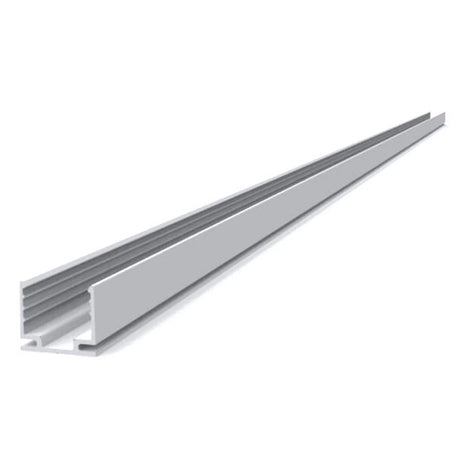
6x12mm Flat IP67 Neon Flex Aluminium Profile – 1 Metre & 2 Metres
SKU: NFPROF612-IP67From £7.95Unit price /Unavailable
6x12mm Aluminium Channel Profile Track for IP65 Neon Flex 1 Metre
SKU: ALNFPROFILE612-IP65£6.95Unit price /Unavailable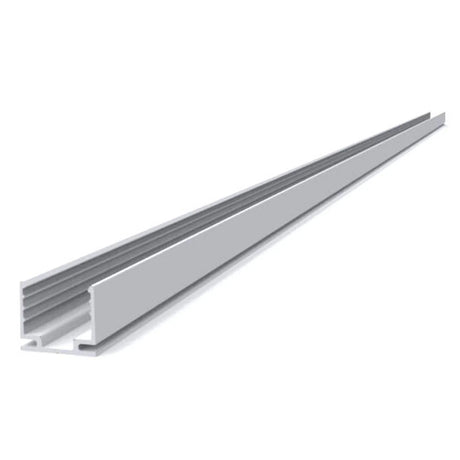
Aluminium Profile for 8x16mm IP67 Neon Flex – 1 Metre & 2 Metres
SKU: NFPROFILE-816From £7.95Unit price /Unavailable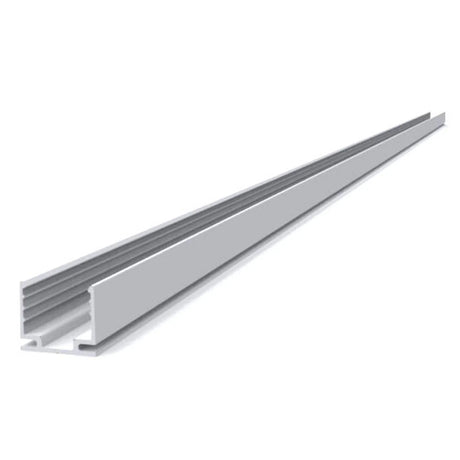
LED Neon Flex Aluminium Channel Mounting Track for 10x18mm Neon Flex 1 Metre
SKU: NFPROFILE-1018£6.50Unit price /Unavailable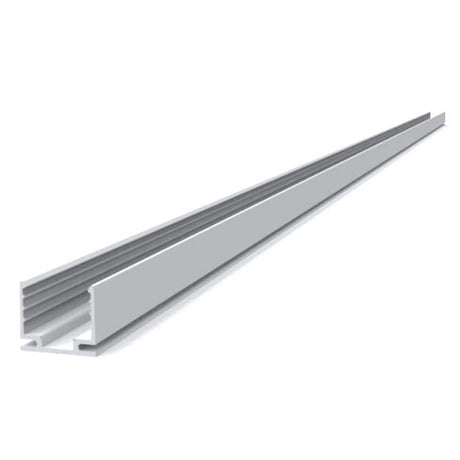
LED Neon Flex Aluminium Channel Mounting Track for 10x20mm Neon Flex 1 Metre
SKU: NFPROFILE-1020£6.95Unit price /Unavailable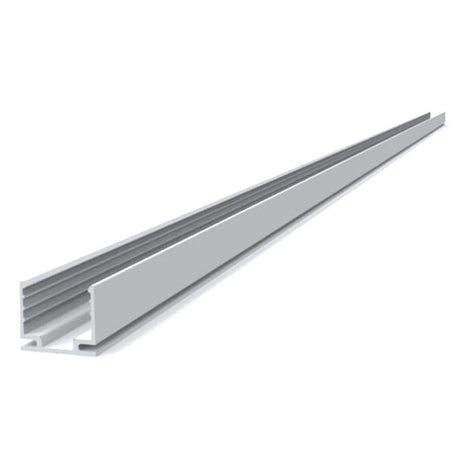
LED Neon Flex 14x25mm Aluminium Channel Mounting Track 1 Metre
SKU: ALNFPROFILE1425£6.95Unit price /Unavailable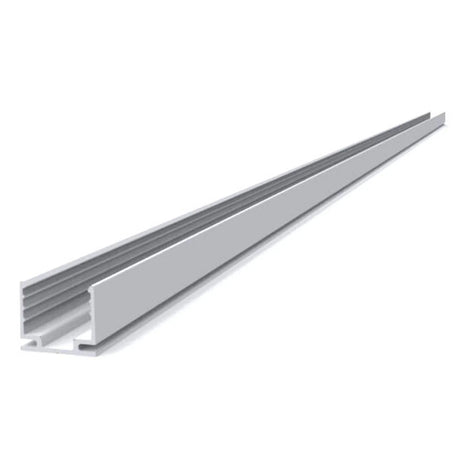
LED Neon Flex 15x25mm Aluminium Channel Mounting Track 1 Metre
SKU: ALNFPROFILE1525£6.95Unit price /Unavailable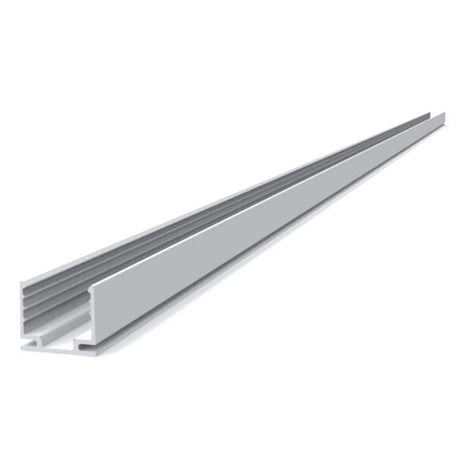
LED Neon Flex 16x16mm Aluminium Channel Mounting Track 1 Metre
SKU: NFPROFILE1616£6.95Unit price /Unavailable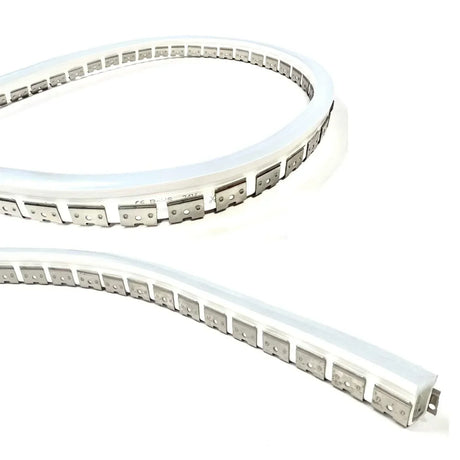
LED Neon Flex Bendable Aluminium Channel Mounting Track for 8x16mm Neon Flex 1 Metre
SKU: NFPROFILE-B0816From £9.00Unit price /Unavailable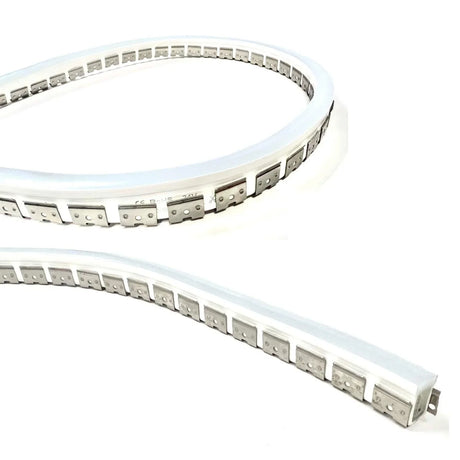
LED Neon Flex Bendable Aluminium Channel Mounting Track for 10x18mm Neon Flex 1 Metre
SKU: NFPROFILE-B1018From £9.00Unit price /Unavailable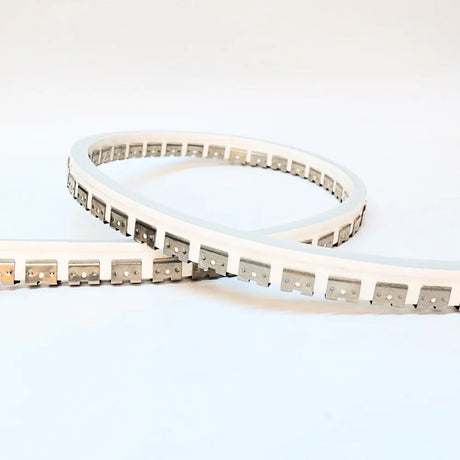
LED Neon Flex Bendable Aluminium Channel Mounting Track for 10x20mm Neon Flex 1 Metre
SKU: NFPROFILE-B1020From £9.00Unit price /Unavailable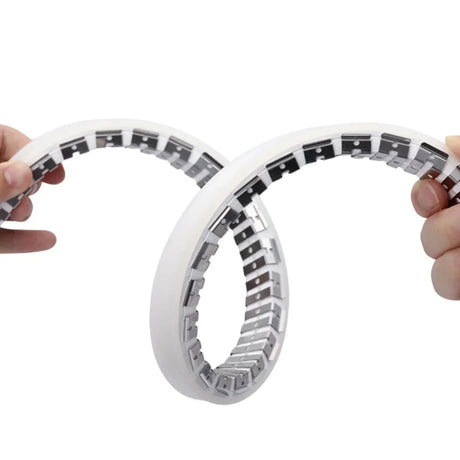
LED Neon Flex Bendable Aluminium Channel Mounting Track for 16x16mm Neon Flex 1 Metre
SKU: BNFPROFILE-1616From £9.00Unit price /Unavailable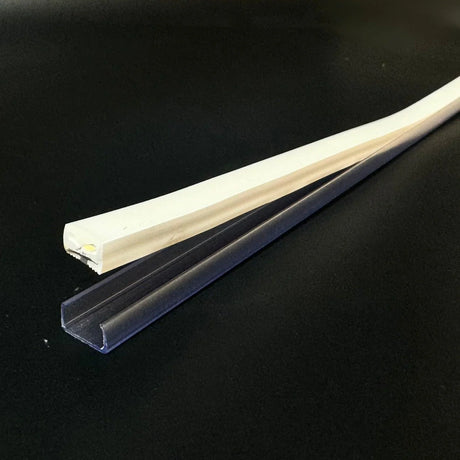
LED Neon Flex PVC Profile for 10x6mm Neon Flex 1 Metre
SKU: PVCPROFILE10X6£6.25Unit price /Unavailable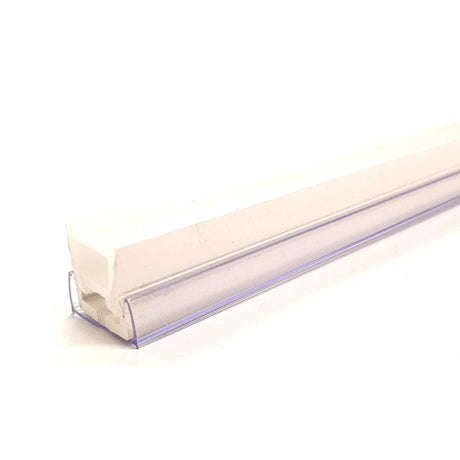
LED Neon Flex Clear PVC Channel Mounting Track Profile 16x16mm Neon Flex 1 Metre
SKU: PVCPROF16161M£5.20Unit price /Unavailable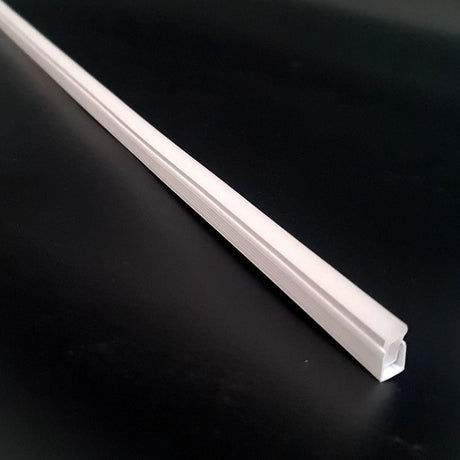
LED Neon Flex PVC Plastic Channel Track Profile for 10x18mm Neon Flex 1 Metre
SKU: PROFILE-1018PVC£5.85Unit price /Unavailable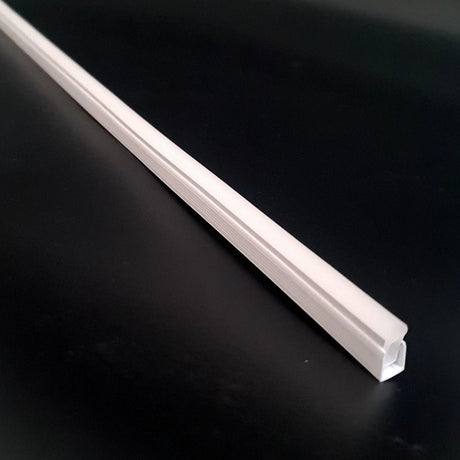
LED Neon Flex PVC Plastic Channel Track Profile for 8x16mm Neon Flex 1 Metre
SKU: ALNFPROFILE816£5.85Unit price /Unavailable-
Bendable Aluminium Channel Mounting Track for 6x12mm Flat Shape IP65 LED Neon Flex
SKU: NFPROFILE-B0612FFrom £9.00Unit price /Unavailable 
6x12mm IP67 Neon Flex Aluminium Channel Track – 1 Metre & 2 Metres
SKU: NFPROFILE612-IP67From £7.95Unit price /Unavailable
10x10mm IP67 Neon Flex Aluminium Channel Track – 1 Metre & 2 Metres
SKU: NFPROF1010-IP67From £7.95Unit price /Unavailable
LED Neon Flex 13x13mm Aluminium Channel Mounting Track 1 Metre
SKU: ALNFPROFILE1313£6.95Unit price /Unavailable
LED Neon Flex Bendable Aluminium Channel Mounting Track for 6x12mm Neon Flex 1 Metre
SKU: NFPROFILE-B0612From £8.73Unit price /Unavailable
Aluminium Profile for 15×15mm IP67 Neon Flex – 1m or 2m
SKU: NFPROFILE-S1515-1MFrom £7.95Unit price /Unavailable
Bendable Tile-In Aluminium Profile for 10×20mm IP67 Neon Flex
SKU: NFPROFILE-BT1020-1MFrom £12.08Unit price /Unavailable
Bendable Tile-In Aluminium Profile for 10×10mm IP67 Neon Flex
SKU: NFPROFILE-BT1010-1MFrom £12.55Unit price /Unavailable
Bendable Tile-In Aluminium Profile for 8×16mm IP67 Neon Flex
SKU: NFPROFILE-BT0816-1MFrom £12.55Unit price /Unavailable
Bendable Tile-In Aluminium Profile for 6×12mm IP67 Neon Flex
SKU: NFPROFILE-BT0612-1MFrom £12.34Unit price /Unavailable
Straight Tile-In Aluminium Profile for 10×10mm IP67 Neon Flex
SKU: NFPROFILE-T1010-1MFrom £11.95Unit price /Unavailable
Straight Tile-In Aluminium Profile for 10×20mm IP67 Neon Flex
SKU: NFPROFILE-T1020-1MFrom £11.95Unit price /Unavailable
Straight Tile-In Aluminium Profile for 8×16mm IP67 Neon Flex
SKU: NFPROFILE-T0816-1MFrom £11.84Unit price /Unavailable
Bendable Tile-In Aluminium LED Profile for 15×15mm Neon Flex
SKU: NFPROFILE-BT1515-1MFrom £11.95Unit price /Unavailable
Straight Tile-In Aluminium LED Profile for 15×15mm Neon Flex
SKU: NFPROFILE-T1515-1MFrom £11.95Unit price /Unavailable
Black Aluminium Profile for 6x12mm IP67 LED Neon Flex – 1 Metre & 2 Metres
SKU: NFPROFILE-S0612-BK-1MFrom £9.75Unit price /Unavailable


What Are LED Neon Profiles?
Neon profiles are specialized channels designed to house LED neon flex strips, creating clean, professional lighting installations. These profile neon solutions offer both protective and aesthetic benefits, allowing for seamless integration of vibrant lighting into any space.
Our range of neon profiles includes options for both straight and curved applications, ensuring you'll find the perfect match for your specific design requirements.
Types of Neon Profiles Available
By Material
- Aluminum Neon Profiles: Durable, heat-dissipating channels ideal for professional installations and commercial applications
- PVC Neon Channels: Lightweight, flexible options perfect for curved designs and DIY projects
By Installation Style
- Surface Mount Profiles: Easy-to-install channels that attach directly to walls, ceilings, or other flat surfaces
- Recessed Neon Profiles: Create a seamless, integrated look with channels that sit flush within surfaces
- Corner LED Neon Profiles: Specially designed for 90° installations to highlight architectural features
By Flexibility
- Rigid Neon Channels: Perfect for straight lines and structured designs
- Bendable Neon Profiles: Flexible options that can be shaped to create curved designs and custom shapes
Benefits of Using Neon Light Profiles
Enhanced Aesthetics
Our neon light profiles create a clean, professional finish that elevates the appearance of your lighting installation. The channels conceal wiring and connection points while providing a sleek housing for your neon flex.
Improved Protection
Quality LED neon profiles shield your lighting from dust, moisture, and physical damage, significantly extending the lifespan of your installation. Many of our options offer IP-rated protection for outdoor applications.
Easier Installation
With dedicated mounting points and cable management features, our profile neon LED solutions simplify the installation process, saving you time and ensuring a professional result.
Better Heat Dissipation
Aluminum neon channels provide excellent heat management, preventing overheating and maintaining optimal performance of your LED neon flex over time.
Popular Applications for Neon Flex Profiles
Commercial Spaces
- Retail store highlighting and accent lighting
- Restaurant and bar ambient lighting
- Hotel corridor and feature wall illumination
- Custom business signage and logo displays
Residential Applications
- Kitchen under-cabinet lighting
- Living room accent and feature lighting
- Home theater and entertainment area ambient lighting
- Outdoor garden and patio illumination
Architectural Features
- Cove lighting for indirect ceiling illumination
- Stair and handrail safety lighting
- Building outline and contour highlighting
- Window frame and doorway accentuation
How to Choose the Right Neon Profile
Consider Your Installation Location
For outdoor or moisture-prone areas, select weatherproof neon flex channels with appropriate IP ratings. Indoor installations offer more flexibility in profile selection.
Determine Your Design Requirements
Straight lines require rigid neon profiles, while curved designs need flexible options. Consider whether your installation includes corners or complex shapes when selecting your profile.
Measure Your Neon Flex
Ensure your chosen neon light channel matches the dimensions of your LED neon flex. Our profiles come in various widths to accommodate different sizes of neon flex.
Consider Mounting Options
Different neon LED profiles offer various mounting solutions, from clip-in designs to screw-fixed options. Choose based on your surface type and installation permanence requirements.
Installation Tips for LED Neon Profiles
Proper installation ensures the best results from your profile neon system:
- Clean mounting surfaces thoroughly before installation
- Measure and mark your installation area accurately
- For aluminum profiles, pre-drill mounting holes to prevent splitting
- Use appropriate screws or mounting clips for your surface type
- Ensure your neon flex fits securely within the profile before final mounting
- Check that any diffusers or covers snap into place correctly
Frequently Asked Questions
Which aluminum profile sizes fit my neon flex dimensions?
Aluminium profiles should have an internal channel width and height slightly larger than the neon flex size to allow easy installation and thermal expansion. For example, a 10×20 mm neon flex typically fits profiles with at least 12–14 mm internal width.
How to choose a diffuser for aluminum LED profiles?
Diffusers should be selected based on light output and glare control, with opal or frosted covers preferred for smooth, dot-free illumination. Clear diffusers maximise brightness but are rarely needed for neon flex applications.
Installation steps for recessed LED neon profiles
Recessed profiles require accurate routing or cutting of the substrate, secure fixing of the profile, insertion of the neon flex, and sealing with end caps or silicone where required. Correct depth and alignment are critical for a clean, flush finish.
Best sealant for outdoor waterproof neon channels
Neutral-cure, UV-resistant silicone sealants are typically recommended for sealing end caps, joints, and cable entry points. The sealant should be compatible with aluminium and the neon flex jacket to maintain IP ratings.
How to bend aluminum profiles for curved signage designs
Standard aluminium profiles cannot be bent tightly and are usually cut into short straight sections for gentle curves. For smooth curves or wave effects, flexible or segmented aluminium profiles are a better choice.
What are LED Neon Profiles and how do they differ from standard LED strip aluminium channels?
LED Neon Profiles are designed specifically to house neon flex, offering wider channels and deeper support compared with slim LED strip channels. They provide better alignment, protection, and heat dissipation for larger, diffused light sources.
Which profile types are available for different neon flex sizes like 6×12 mm, 10×20 mm, and 16×16 mm?
Surface-mounted, recessed, corner, and flexible profiles are available in multiple internal sizes to suit common neon flex dimensions. Larger neon flex sizes require deeper profiles to ensure stability and even support.
When should installers choose aluminium profiles instead of PVC profiles for LED neon flex projects?
Aluminium profiles are preferred where straight lines, durability, and heat dissipation are important, especially on façades and architectural features. PVC profiles are lighter and easier to shape but offer less rigidity and thermal performance.
How do you choose the correct LED Neon Profile to match a specific neon flex size and bend direction?
The profile’s internal dimensions must match the neon flex size, while the opening orientation must suit top-bend or side-bend designs. Choosing the wrong bend orientation can restrict flexibility or distort the light output.
What are best practices for cutting, drilling, and fixing LED Neon Profiles?
Profiles should be cut with a fine-tooth saw, drilled before mounting, and fixed using screws, clips, or adhesive depending on the surface. Burrs should be removed to avoid damaging the neon flex during installation.
How should profiles be used at corners and curves?
For sharp corners, straight profile sections with mitred cuts or corner connectors are typically used. Flexible or bendable profiles are better for smooth curves and continuous flowing designs.
How do aluminium LED Neon Profiles help with heat dissipation and lifespan?
Aluminium acts as a heat sink, drawing heat away from the neon flex and reducing thermal stress on LEDs. This helps maintain brightness consistency and extends product lifespan.
Do profiles affect the IP rating of LED neon flex in outdoor installations?
Profiles themselves do not increase IP rating unless properly sealed at ends and joints. To maintain IP67 or IP68, installers must seal end caps, cable exits, and joints with appropriate gaskets or silicone.
Which profile materials and finishes are best for coastal or exposed UK sites?
Anodised or powder-coated aluminium offers good corrosion resistance in coastal environments. UV-stable PVC can also be used but may degrade faster under prolonged exposure.
How can LED Neon Profiles create ultra-straight architectural lines?
Rigid aluminium profiles keep neon flex perfectly aligned, preventing waviness over long runs. This is especially important for façades, soffits, and minimalist interior feature lines.
What profiles work best for stair nosings, handrails, furniture, or recessed floor channels?
Recessed and low-profile aluminium channels are commonly used for stairs and floors, while slim surface or corner profiles suit furniture and handrails. Load-rated profiles should be specified for walk-over areas.
How can curved or flexible profiles be used in retail or hospitality spaces?
Flexible profiles allow neon flex to follow curves, waves, and organic shapes that stand out visually. They are often used for feature walls, bars, and branded interior elements.
What should buyers check when selecting LED Neon Profiles?
Key factors include internal channel size, cover type, mounting method, bend capability, and availability of accessories such as end caps and brackets. Compatibility with the chosen neon flex is essential.
How do UK suppliers bundle profiles and accessories to support installers?
Many UK suppliers offer profile kits that include aluminium channels, diffusers, mounting clips, and end caps. This simplifies specification and ensures all components work together correctly.