
Professional LED lighting
Single Colour Neon Flex: Versatile LED Lighting Solutions
165 products
Swap visible LED dots for one unbroken line of light that bends around corners, wraps garden borders, and follows any curve you draw — that is what single colour LED neon flex delivers. UK LED Lights stocks 124 single...
Read more Show less
Swap visible LED dots for one unbroken line of light that bends around corners, wraps garden borders, and follows any curve you draw — that is what single colour LED neon flex delivers. UK LED Lights stocks 124 single colour neon flex products for 2026: warm white 2700K, natural white 4000K, and cool white 6000K across 12V, 24V, 48V, and 230V mains options, with IP67 and IP68 UV-stable silicone construction rated for permanent outdoor installation in UK weather conditions year-round.
Our single colour neon flex range includes front-emitting and side-emitting profiles, mini neon flex with bend radii down to 20mm for signage and lettering, and standard profiles for long architectural runs up to 50 metres. Every product uses a continuous silicone extrusion body — no separate diffuser cover, no exposed PCB, no dots visible at any distance. Custom cut lengths available for your project — call 01952 370008 or email sales@ukledlights.co.uk with your measurements.
Single Colour Neon Flex · Warm White 2700K · Natural White 4000K · Cool White 6000K · 12V · 24V · 48V · 230V Mains · IP67 · IP68 · Front-Emitting · Side-Emitting · Mini Neon Flex · Horizontal & Vertical Bend · Custom Cut Lengths · Free UK Delivery
Quick decision — which single colour neon flex do you need?
- Garden border, pathway, or driveway edging: 24V warm white 3000K neon flex in IP67 — mount with surface clips at 300mm intervals and power from a weatherproof driver enclosure. For runs over 15 metres, 48V reduces voltage drop by half.
- Shop fascia, logo, or signage lettering: Mini neon flex 12V in warm or cool white — the 20mm bend radius follows tight curves that standard neon flex cannot match. Side-emitting for wall-mounted channel letters, front-emitting for projecting sign faces.
- Ceiling cove or architectural perimeter: 24V front-emitting warm white 3000K — produces a wide, even wash across the ceiling surface. Pair with a constant-voltage driver and trailing-edge dimmer for full brightness control.
- Bathroom wet zone or shower niche surround: 24V warm white 2700K in IP67 minimum — IP68 for direct water contact inside shower enclosures. Seal every cut end and junction with silicone end caps.
- Pond edge, water feature, or fountain surround: IP68 neon flex rated for continuous submersion — the UV-stable silicone body resists algae adhesion and chlorine degradation across multiple seasons.
- Decking step nosing or riser accent: Side-emitting 24V in IP67 — recessed into a mounting channel at each step edge for safety illumination and a continuous glow line.
- Long commercial run — car park perimeter, warehouse aisle, retail fascia over 20 metres: 48V single colour neon flex or 230V mains neon flex — both eliminate mid-run power injection on extended installations.
Who single colour neon flex is for: Homeowners fitting garden lighting, pathway borders, and architectural accent features where the light source is visible and needs to look finished. Signage fabricators replacing glass neon with a flexible, shatterproof, low-voltage alternative. Electricians and contractors installing outdoor commercial lighting that must survive year-round UK exposure. Interior designers specifying cove, ceiling perimeter, and feature wall lighting where a smooth, continuous glow matters more than raw lumen output. Landscape designers lighting garden borders, pond edges, and deck perimeters with a waterproof, UV-stable product that will not yellow or crack after two British winters.
Who single colour neon flex is NOT for: If you need colour-changing effects — mood lighting, accent colours, scene control — single colour is the wrong product. Browse our RGB and RGBW neon flex for full colour control. If you need maximum brightness for task lighting (kitchen worktops, workshop benches, under-cabinet illumination), COB LED strip inside an aluminium profile delivers higher lumens per watt in a slimmer form factor. If the installation is entirely indoors, hidden from view inside a profile void, and cost per metre matters more than aesthetics, standard LED strip is more economical — neon flex is purpose-built for visible, decorative, and outdoor applications where the light body itself forms part of the design.
Common buying mistakes to avoid:
- Selecting IP65 for permanent outdoor use: IP65 handles surface splashes only — it will not survive sustained UK rainfall, frost-thaw cycling, or ground-level standing water. IP67 is the minimum for any permanent outdoor single colour neon flex installation under BS7671 guidance. Every outdoor-rated neon flex in our 2026 range is IP67 or IP68.
- Forcing tight bends with standard-size neon flex: Standard single colour neon flex has a minimum bend radius of approximately 50–80mm. Forcing tighter curves cracks the internal PCB and creates permanent dead spots. For signage lettering, logos, or decorative curves under 50mm radius, specify mini neon flex with its 20mm minimum.
- Choosing the wrong colour temperature for the setting: Warm white 3000K appears orange under midday daylight; cool white 6000K feels clinical in a garden at dusk. Match the temperature to the application — 2700K–3000K for residential and hospitality, 4000K for retail and commercial display, 6000K for car parks and industrial wayfinding. If unsure, 3000K is typically the safest default.
- Leaving cut ends unsealed outdoors: Every cut end and junction must be sealed with a silicone end cap and waterproof adhesive. An unsealed end allows moisture ingress that corrodes copper tracks within weeks in UK conditions, voiding any IP rating.
- Powering neon flex while still coiled on the reel: The silicone body traps heat more effectively than bare strip. Coiled neon flex cannot dissipate heat — adhesive fails, LEDs overheat, fire risk increases. Always uncoil, mount, and clip before switching on.
What is single colour LED neon flex and how does it produce a continuous glow?
Single colour LED neon flex is a flexible silicone extrusion containing a continuous strip of LEDs that emits one fixed colour temperature — warm white, natural white, or cool white — in a smooth, unbroken line of light. The silicone body acts as both structure and diffuser, eliminating visible dots entirely. Unlike bare LED strip, which shows individual chip positions, single colour neon flex produces the same even glow as traditional glass neon but in a shatterproof, bendable, low-voltage format rated for permanent outdoor installation.
The construction is what separates neon flex from every other LED linear product. A flexible PCB strip carrying densely spaced LEDs sits inside a precision-extruded silicone body — typically 12mm to 20mm in cross-section depending on the profile. The silicone performs four functions simultaneously: diffusing the light into a uniform glow, protecting the electronics from moisture and UV, providing the mechanical flexibility to bend around curves, and insulating the circuitry from external contact. No separate aluminium profile, no clip-on diffuser cover, no exposed solder pads.
Why that integrated construction matters for 2026 installations:
- Visible installations where aesthetics drive the specification: Garden borders, architectural features, signage, and decorative accents place the light source in full view. Neon flex looks intentional and finished — bare strip, even inside a profile, looks like a light fitting. The silicone body is the design element itself.
- Outdoor durability without secondary enclosures: IP67 and IP68 single colour neon flex survives permanent UK outdoor exposure — rain, frost, UV, temperature cycling from minus 20 to plus 50 degrees Celsius — without needing additional waterproof housing, gaskets, or silicone potting. The product is the enclosure.
- Bend flexibility that rigid profiles cannot match: Standard neon flex bends to approximately 50mm radius. Mini neon flex bends to 20mm. Neither requires mechanical cutting, corner pieces, or joiner fittings at direction changes — the silicone flexes continuously. This makes single colour neon flex the default choice for curved features, organic shapes, and signage lettering in 2026.
- Single-component installation simplicity: Strip-plus-profile installations require the strip, a profile, end caps, a diffuser cover, mounting brackets, and sometimes a separate heatsink. Neon flex requires the neon flex, surface clips at 300mm intervals, and a driver. Fewer components, faster installation, fewer failure points.
Which colour temperature should you choose — warm white, natural white, or cool white?
Warm white 2700K–3000K is the right choice for gardens, patios, residential features, and hospitality venues where relaxed ambience matters. Natural white 4000K suits retail displays, commercial signage, and workspace accents where colour accuracy under the light is important. Cool white 6000K serves car parks, industrial wayfinding, and high-visibility safety applications. Selecting the wrong colour temperature is one of the most common regrets in single colour neon flex installations — the product lasts years, so the decision is long-term.
Single colour means fixed — once installed, the colour temperature does not change. Unlike tuneable-white or RGBW neon flex, single colour locks you into one output permanently. That constraint is also its strength: simpler wiring (two conductors only), lower cost per metre, higher reliability, and no controller required. For the vast majority of neon flex applications in the UK in 2026, a fixed colour temperature is the correct specification.
- Warm white 2700K: Closest to a traditional incandescent filament tone. Soft, amber-rich, calming. The preferred choice for residential garden borders, patio perimeters, bedroom feature walls, restaurant booth outlines, and hotel facade accents. Pairs naturally with warm-toned materials — timber, sandstone, brick, copper.
- Warm white 3000K: Slightly crisper and brighter than 2700K while retaining warmth. The most versatile single colour neon flex temperature — works across garden, interior, and commercial applications. The default recommendation if you are uncertain. Reads as warm in the evening and neutral in daylight.
- Natural white 4000K: Balanced, neither warm nor cool. Delivers accurate colour rendering for shopfront signage, retail window outlines, display case accents, and commercial wayfinding. Makes product colours appear true under the light rather than tinted warm or cool.
- Cool white 6000K: High contrast, energising, with a noticeable blue undertone. Designed for maximum visibility — car park perimeters, loading bay edging, industrial aisle marking, emergency egress wayfinding. Not recommended for residential gardens or hospitality settings as it creates a clinical atmosphere at night.
| Colour Temperature | Visual Tone | Best Applications | Avoid Using In |
|---|---|---|---|
| 2700K warm white | Soft amber, relaxed | Gardens, patios, bedrooms, restaurants, hotels | Car parks, warehouses, task-critical areas |
| 3000K warm white | Warm but clean | General outdoor, pathways, kitchens, hospitality, mixed use | Clinical or high-contrast commercial wayfinding |
| 4000K natural white | Balanced, neutral | Retail signage, display accents, offices, shopfronts | Residential gardens, bedroom features, ambient settings |
| 6000K cool white | Crisp blue-white | Car parks, loading bays, industrial marking, safety wayfinding | Residential exteriors, hospitality, living spaces |
What voltage does your single colour neon flex installation need — 12V, 24V, 48V, or mains?
24V is the most widely specified voltage for single colour neon flex in the UK in 2026 — it balances run length, driver availability, and dimming compatibility for the majority of residential and commercial projects. 12V suits compact signage and short decorative runs under 5 metres. 48V handles extended architectural and commercial runs over 15 metres with half the voltage drop of 24V. 230V mains neon flex powers continuous runs of 50 metres or more without a separate driver, but limits dimming options and requires a qualified electrician for hardwired connection.
The voltage you choose determines maximum run length before visible brightness loss, the driver hardware required, dimming compatibility, and whether a qualified electrician must install it. Getting this decision right at the specification stage avoids mid-project re-purchasing.
- 12V single colour neon flex: Best for short, self-contained installations — signage lettering, display case accents, small decorative features, and battery-backed temporary installations. Maximum practical run length before visible voltage drop is approximately 3–5 metres from a single feed point. Compact drivers available. Limited to short runs, but the smallest available cross-section profiles make 12V the standard for detailed signage work.
- 24V single colour neon flex: The standard specification for 2026. Runs up to approximately 8–12 metres from one feed point depending on wattage per metre. Wide driver compatibility, full trailing-edge dimming support, extensive accessory range. Covers the vast majority of garden, patio, bathroom, and interior feature applications.
- 48V single colour neon flex: Voltage drop occurs at half the rate of 24V at the same wattage over the same distance — enabling single-feed runs of 15–25 metres or more. The professional choice for extended commercial facades, long garden perimeters, and architectural runs where mid-point power injection is impractical. 48V DC falls within the SELV voltage threshold under BS7671 (120V DC ripple-free maximum), provided it is supplied from a suitably isolated, safety-rated driver — meaning significantly reduced shock risk under dry conditions.
- 230V mains single colour neon flex: Powers continuous runs of 50 metres or more from a single mains connection with no separate low-voltage driver required. Ideal for long commercial facades, building outlines, and perimeter lighting. Must be hardwired by a Part P certified electrician. Dimming is limited to specific mains-compatible controllers. Cut points are less frequent — typically every 1 metre rather than every 50mm — so precision cutting is restricted compared to low-voltage options.
| Voltage | Typical Max Run (single feed) | Driver Required | Dimming | Installation | Best For |
|---|---|---|---|---|---|
| 12V DC | 3–5 metres | 12V constant voltage | Trailing-edge dimmer + triac driver | DIY or electrician | Signage, short accents, display cases |
| 24V DC | 8–12 metres | 24V constant voltage | Trailing-edge dimmer + triac driver | DIY or electrician | Gardens, bathrooms, interiors, most projects |
| 48V DC | 15–25 metres | 48V constant voltage | 0–10V, DALI, or PWM dimming | Electrician recommended | Long commercial runs, extended perimeters |
| 230V AC mains | 50+ metres | None (mains direct) | Mains-rated controller only | Part P certified electrician required | Building outlines, long commercial facades |
What IP rating does outdoor single colour neon flex require in the UK?
IP67 is the minimum rating for any permanent outdoor single colour neon flex installation in the UK. IP65 handles surface splashes only and will not survive sustained rainfall, frost-thaw cycling, or ground-level moisture that are standard conditions through a British autumn and winter. IP68 is required where neon flex will be submerged — pond surrounds, fountain features, and ground-recessed channels that collect standing water. Every outdoor-rated single colour neon flex in the UK LED Lights 2026 range meets IP67 or IP68.
IP ratings are tested under controlled laboratory conditions. Real-world UK outdoor exposure adds variables that laboratory testing does not replicate — months of continuous rain, freeze-thaw cycles that expand and contract seals, UV exposure that degrades lower-grade materials, and salt spray in coastal areas. Specifying one rating above the theoretical minimum is standard practice among experienced UK installers in 2026.
- IP67 (temporary immersion to 1 metre, 30 minutes): Suitable for wall-mounted, fence-mounted, and surface-clipped outdoor installations where the neon flex is exposed to rain but not submerged or sitting in standing water. Covers garden border edging, decking perimeters, fascia outlines, and architectural features mounted above ground level. The standard outdoor specification for 2026.
- IP68 (continuous submersion): Required for pond-edge installations, fountain surrounds, ground-recessed channels where rainwater pools, and any application where the neon flex sits at or below grade. Also the correct choice for bathroom installations inside shower enclosures where direct water contact is continuous.
- IP65 (surface splash only): Not recommended for permanent UK outdoor use. Adequate for sheltered indoor installations near water — above a kitchen splashback, inside a covered commercial canopy — but not for exposed outdoor conditions. If a product carries IP65 only, treat it as an indoor product for UK specification purposes.
End-sealing is as critical as the rated IP figure. A perfectly manufactured IP67 neon flex with an unsealed cut end becomes IP00 at that point — water migrates along the internal cavity by capillary action and corrodes copper tracks within weeks. Always use the manufacturer's silicone end caps and UV-stable sealant on every cut end, junction, and power-feed point. UK LED Lights supplies matching end caps and sealant kits for every neon flex product in the range — call 01952 370008 for the correct kit for your specific product.
What is the difference between front-emitting and side-emitting neon flex?
Front-emitting neon flex projects light outward from the flat face of the silicone body — perpendicular to the mounting surface. Side-emitting neon flex projects light from the narrow edge of the body — parallel to the mounting surface. The choice depends on where the viewer is positioned relative to the installation. Front-emitting is the standard for ceilings, signage faces, and overhead features. Side-emitting is the standard for wall washes, step nosing, and recessed channel applications where light needs to graze a surface.
This is not a quality difference — both types use identical LED technology and achieve the same brightness per metre. The distinction is purely about light direction relative to the mounting orientation, and getting it wrong means starting again with the correct product.
- Front-emitting applications: Ceiling cove perimeters where light washes upward across the ceiling plane. Signage faces where the glow projects toward the viewer. Overhead architectural features viewed from below. Garden border edging mounted flat on the ground where you look down at the lit surface. Anywhere the viewer looks directly at the emitting face.
- Side-emitting applications: Step nosing where light needs to wash down the riser face. Wall-wash accents where the neon flex mounts on a horizontal surface and throws light sideways across the wall. Recessed channel installations in decking or flooring where the neon flex sits below grade and emits upward from its edge. Any application where the mounting surface faces the viewer but the light must be directed sideways.
- Combined installations: Large projects sometimes use both — front-emitting around a ceiling perimeter and side-emitting along stair treads in the same building. Ensure both products share the same colour temperature and voltage for visual consistency and wiring simplicity.
When should you specify mini neon flex instead of standard neon flex?
Specify mini neon flex when the installation requires bend radii under 50mm — signage lettering, logo outlines, tight decorative curves, or compact feature accents where standard neon flex physically cannot follow the design. Mini neon flex achieves a minimum bend radius of approximately 20mm compared to 50–80mm for standard profiles, and its smaller cross-section of approximately 6mm by 12mm fits spaces where standard neon flex is too bulky. The trade-off is lower maximum brightness per metre and shorter maximum run lengths.
Signage fabrication is the primary application. Glass neon signs used hand-bent glass tubing that followed any letterform. When those signs are replaced or replicated in LED, mini neon flex is the product that matches the same tight curves — standard neon flex cannot bend sharply enough to reproduce most typefaces without visible flat sections or kinks.
- Channel letter signage: Mini neon flex 12V in warm or cool white, bent to follow each letterform inside an aluminium channel letter housing. The 20mm bend radius accommodates uppercase and lowercase letters at typical signage scales from 150mm character height upward.
- Logo outlines and brand graphics: Curved logos, circular brand marks, and organic graphic shapes that require compound curves in multiple directions. Mini neon flex bends horizontally and vertically without separate corner connectors.
- Compact decorative features: Mirror surrounds, furniture-integrated lighting, headboard curves, and display case accents where standard neon flex cross-section (typically 15–20mm) is too large for the available mounting space.
- When NOT to use mini neon flex: Long straight runs over 5 metres, garden borders, building perimeters, and applications where maximum brightness matters. Standard neon flex delivers higher output per metre, longer runs, and greater mechanical durability. Use mini only where the bend radius or physical size demands it.
How do you install single colour neon flex step by step?
Installing single colour neon flex requires measuring and cutting to length, mounting with surface clips at regular intervals, connecting to the correct constant-voltage driver, sealing all cut ends and junctions for outdoor installations, and testing before permanent fixing. The process is simpler than strip-plus-profile installations because neon flex is a single component — no separate diffuser, no end caps for profiles, no thermal adhesive tape. A typical 10-metre garden border installation takes approximately 60–90 minutes for an experienced installer in 2026.
- Plan the route and measure precisely: Map the exact run path including all bends, corners, and termination points. Measure the total length required and add 100–150mm margin for connection tails at each end. Note the minimum bend radius of your chosen product — 50–80mm for standard, approximately 20mm for mini neon flex — and confirm every curve on the route falls within that specification.
- Select and size the driver: Calculate total wattage by multiplying the neon flex wattage per metre by the total run length. Select a constant-voltage LED driver rated to the correct voltage (12V, 24V, or 48V) with output capacity at 70–80 percent of its maximum rating — never run a driver at full load. For dimming, pair a triac dimmable driver with a trailing-edge dimmer switch. Position the driver in a ventilated, dry enclosure accessible for future maintenance.
- Cut the neon flex at a designated cut point: Single colour neon flex has marked cut points at regular intervals — typically every 25mm to 50mm for low-voltage, every 1 metre for 230V mains. Cut only at these marked points using sharp scissors or a craft knife. Cutting between marks damages the internal circuit and creates a dead section.
- Mount the neon flex using surface clips: Secure the neon flex to the mounting surface using the manufacturer's clips or mounting channels at 250–300mm intervals. On vertical surfaces, reduce clip spacing to 200mm to prevent sagging under the product's own weight. Do not use adhesive alone for outdoor installations — clips provide mechanical retention that adhesive cannot guarantee through temperature cycling.
- Make the electrical connections: Connect the neon flex power tails to the driver output using the supplied connectors or soldered joints. Observe polarity — positive to positive, negative to negative. For outdoor installations, enclose every connection inside an IP-rated junction box. Use ferrule crimps on stranded cable ends rather than bare-wire screw terminals to prevent loose connections over time.
- Seal all cut ends and junctions (outdoor installations): Apply the manufacturer's silicone end cap to every cut end using UV-stable silicone sealant. Cover every solder joint or connector with adhesive-lined heatshrink tubing. A single unsealed point will admit moisture that migrates along the entire internal cavity, corroding copper tracks and causing progressive failure.
- Test the complete installation before permanent fixing: Power on the installation temporarily to verify even brightness across the full run, correct colour temperature, smooth dimming response, and no dead spots at junctions. Check for any visible brightness drop toward the far end — if present, the run exceeds the maximum recommended length for single-end feed and requires mid-point injection or a shorter run. Only proceed to permanent clip tightening and cable management after confirming correct operation.
For installations over 20 metres, runs involving hardwired mains connection, or any work in bathroom zones 0–2, we recommend engaging a qualified electrician. Call UK LED Lights on 01952 370008 for technical guidance on driver sizing, run lengths, and connection methods for your specific project.
Which driver does single colour neon flex need and how do you size it?
Single colour neon flex requires a constant-voltage LED driver matched to the product's operating voltage — 12V, 24V, or 48V DC. The driver's wattage output must exceed the total wattage of the neon flex run by a minimum 20 percent margin to avoid thermal overload and premature failure. For dimmable installations, specify a triac dimmable constant-voltage driver paired with a trailing-edge dimmer switch — leading-edge dimmers cause visible flicker with most LED drivers and should be avoided.
Driver sizing calculation in practice:
- Step 1 — find the wattage per metre: Every neon flex product lists watts per metre in its technical specifications. Typical range: 7W/m to 14W/m for single colour depending on output level and LED density.
- Step 2 — multiply by total run length: A 10-metre run of 10W/m neon flex requires 100W total.
- Step 3 — add 20–30 percent headroom: 100W total load requires a driver rated at minimum 120W, ideally 130W. Running a driver at maximum rated output generates excess heat, shortens driver lifespan, and leaves no margin for in-rush current at switch-on.
- Step 4 — confirm voltage match: A 24V neon flex must connect to a 24V driver. Mismatched voltage destroys the product immediately — 48V applied to a 24V neon flex will burn it out; 12V applied to a 24V neon flex will produce dim, uneven light or fail to illuminate at all.
230V mains neon flex does not require a separate driver — it connects to the mains supply through a rectifier plug or hardwired connection. Dimming 230V neon flex requires a mains-rated dimming controller compatible with the specific product.
UK LED Lights stocks constant-voltage drivers from 20W to 600W in 12V, 24V, and 48V, including triac dimmable, DALI, and 0–10V options. If you are unsure which driver matches your neon flex specification, email sales@ukledlights.co.uk with your product code and total run length — the technical team will confirm the correct driver within one working day.
Can you dim single colour neon flex — and what method works best?
Yes — single colour neon flex dims smoothly down to approximately 5–10 percent brightness when paired with the correct driver and dimmer combination. The most reliable method for residential and small commercial installations in 2026 is a triac dimmable constant-voltage driver controlled by a trailing-edge dimmer switch. This combination provides flicker-free dimming from full output to near-zero, using standard UK wall-plate dimmers that cost approximately fifteen pounds.
Dimming single colour neon flex is significantly simpler than dimming RGB or RGBW neon flex because there is no controller involved — brightness control happens at the driver, not at a separate unit between the driver and the neon flex. This reduces cost, wiring complexity, and the number of components that can fail.
- Trailing-edge dimmer + triac dimmable driver (recommended): The most common residential and small commercial setup. A trailing-edge dimmer switch on the mains input side modulates the driver's output smoothly. Compatible with virtually every triac dimmable constant-voltage driver in the UK LED Lights range. Costs approximately fifteen pounds for the dimmer switch. Avoid leading-edge dimmers — they cause visible flicker at low levels with most LED drivers.
- 0–10V dimming: A low-voltage signal wire from a 0–10V dimmer panel controls the driver output. Used in commercial fit-outs, building management systems, and multi-zone installations where a central dimming panel controls multiple circuits. Requires a 0–10V compatible driver and a separate signal cable run.
- DALI dimming: Digital addressable dimming for large-scale commercial, retail, and architectural installations. Each driver receives its own digital address on the DALI bus, enabling individual zone control, scheduled dimming scenes, and integration with building automation. Requires DALI-compatible drivers and a DALI controller or gateway.
- PWM dimming: A PWM signal applied at the driver controls brightness by rapidly switching output on and off. Most commonly used with 48V systems and commercial-grade drivers. Smooth dimming with no colour shift across the range.
For 230V mains neon flex, dimming requires a mains-rated dimming controller designed for that specific product — standard wall dimmers are not compatible. Consult the product datasheet or call 01952 370008 to confirm dimming compatibility before purchasing.
How does single colour neon flex compare to COB strip inside a profile?
Single colour neon flex and COB strip inside an aluminium profile both produce a smooth, dot-free line of light — but they serve different applications. Neon flex is the correct choice when the installation is outdoor, curved, visible as a design element, or needs IP67/IP68 waterproofing without additional enclosure. COB strip in a profile is the correct choice when maximum brightness, precise beam control, thermal management, and task-level illumination are the priorities. Neither product replaces the other — they solve different problems.
| Feature | Single Colour Neon Flex | COB Strip in Aluminium Profile |
|---|---|---|
| Light output pattern | Uniform glow, 120–180 degree beam | Controlled beam, 60–120 degrees depending on profile lens |
| Waterproofing | IP67/IP68 inherent | Requires separate IP-rated profile or silicone sleeve |
| Bend flexibility | 50mm standard, 20mm mini — continuous curves | Rigid — requires corner connectors for direction changes |
| Maximum brightness per metre | Moderate — typically 600–1200 lumens/m | High — up to 2000+ lumens/m |
| Thermal management | Silicone body dissipates heat moderately | Aluminium profile acts as heatsink — superior heat dissipation |
| Dimming | Trailing-edge via triac driver | Trailing-edge via triac driver |
| Physical profile | Rounded, tubular, visible as a design element | Rectangular, architectural, mounts flush into recesses |
| Cost per metre (installed) | Lower — single component, clip mounting | Higher — strip + profile + diffuser + end caps + mounting |
| Best application | Outdoor, signage, decorative curves, garden borders | Indoor task lighting, kitchens, under-cabinet, commercial |
| Cut precision | Every 25–50mm (low voltage) | Every 25–100mm depending on product |
In practice, many 2026 projects use both products in different zones. A kitchen refit might use single colour COB strip in profiles under the wall cabinets for task lighting, with single colour neon flex along the garden terrace visible through the kitchen window. The two technologies complement each other — they do not compete.
Where does single colour neon flex work best — application by application?
Single colour neon flex performs best in visible, decorative, outdoor, and curved installations where the silicone body itself forms part of the finished design. It is the standard specification in 2026 for garden border edging, outdoor signage, architectural feature outlines, decking step nosing, pond and water feature surrounds, commercial facade lighting, and any application where a smooth, continuous glow needs to follow a non-straight path without visible junctions or dots.
- Garden border and pathway edging: 24V warm white 3000K in IP67, surface-clipped at ground level along the border edge. Creates a continuous glow line that defines garden zones, paths, and planting boundaries. UV-stable silicone resists yellowing through multiple seasons of direct sun exposure. One of the most popular residential neon flex applications in the UK in 2026.
- Decking perimeter and step nosing: Side-emitting 24V in IP67, recessed into routing channels or surface-mounted at each step edge. Provides safety illumination for level changes while creating a clean architectural line around the deck. Pair with a trailing-edge dimmer to reduce brightness to ambient levels during evening dining.
- Pond surround and water feature: IP68 neon flex installed below the waterline or at the water's edge. Continuous submersion rating withstands permanent water contact. The silicone surface resists algae adhesion better than bare strip or plastic-covered strip — periodic cleaning with a soft cloth restores full clarity.
- Commercial shopfront signage: Mini neon flex 12V or 24V in the brand's colour temperature, bent to follow letterforms and logos. Replaces fragile glass neon at a fraction of the running cost — approximately 80 percent lower energy consumption compared to equivalent glass neon in most installations. Maintenance-free operation over the typical 50,000-hour rated lifespan.
- Architectural ceiling cove: Front-emitting 24V warm white, surface-clipped inside the cove recess to wash light upward across the ceiling plane. The flexible body follows curved coves, radius corners, and organic ceiling shapes without visible joints or flat spots.
- Building facade outline: 230V mains neon flex for continuous runs of 50 metres or more without separate drivers. Cool white 6000K or natural white 4000K depending on the brand identity and visibility requirements. Mounts to the facade using stainless steel clips at 300mm intervals.
- Bathroom feature lighting (outside wet zones): 24V warm white 2700K in IP67 around mirrors, vanity units, and bath surrounds outside direct water zones. IP68 for installations inside shower enclosures or wet zones 0–1 as defined by BS7671. Always hardwired by a qualified electrician for bathroom installations in zones 0–2.
- Hospitality and restaurant ambience: Warm white 2700K or 3000K neon flex outlining bar fronts, booth seating, counter edges, and exterior dining area perimeters. The soft, continuous glow creates atmosphere without the glare or dot visibility of exposed strip. Dimming control allows intensity adjustment between daytime service and evening dining.
Why buy single colour neon flex from UK LED Lights?
UK LED Lights holds 124 single colour neon flex products in UK stock at our Telford warehouse — warm white, natural white, and cool white across every voltage, IP rating, and profile type, ready for next-day dispatch. We are a specialist LED lighting supplier, not a general electrical wholesaler, which means every product is selected, tested, and stocked based on real installation performance rather than catalogue breadth. Technical support is available Monday to Friday, 9am to 5pm, from a team that understands neon flex specification, driver sizing, and outdoor installation requirements for UK conditions.
- 124 products in UK stock: The full single colour neon flex range — 12V, 24V, 48V, 230V mains, IP67, IP68, front-emitting, side-emitting, mini neon flex, and standard profiles — held at our Telford, Shropshire warehouse. No waiting for overseas shipments or pre-order lead times.
- Free UK delivery: Every order ships free across mainland UK. Orders placed before 2pm on a weekday typically dispatch same day for next-working-day delivery.
- Custom cut lengths: Order neon flex cut to your exact project measurements rather than buying standard reels and wasting offcuts. Contact the team with your dimensions and we cut, seal, and dispatch to your specification.
- Technical support that answers the actual question: Call 01952 370008 or email sales@ukledlights.co.uk with your project details — run lengths, voltage preference, indoor or outdoor, dimming requirements — and receive a specific product recommendation with driver sizing within one working day. No generic responses, no product-code runaround.
- Complete system supply: Neon flex, drivers, dimming controllers, mounting clips, end caps, connectors, and sealant kits — all from one supplier, all compatible, all in stock. Single delivery, single invoice, single point of accountability if anything needs resolving.
- Trade and project accounts: Volume pricing for signage fabricators, electrical contractors, fit-out companies, and landscape installers working on multiple projects. Call 01952 370008 to discuss your requirements.
- Single-colour neon flex is the cleanest alternative to glass neon — with none of the fragility, gas handling, or specialist installation cost.
- Our 124-product neon flex range is the widest single-colour selection from any UK supplier — every profile shape, every voltage, every IP rating.
Ready to order? Browse the 124 single colour neon flex products below, call 01952 370008 Monday to Friday 9am–5pm, or email sales@ukledlights.co.uk for a personalised recommendation. Free UK delivery on every order.
How does single colour neon flex compare to single colour COB strip in a profile?
Both products create a dot-free light line, but the construction, flexibility, and output differ significantly — here is the side-by-side breakdown.
| Feature | Single Colour Neon Flex | Single Colour COB Strip in Profile |
|---|---|---|
| Appearance | Thick, rounded neon-style glow | Slim, flat architectural light line |
| Flexibility | Bends to 20mm radius (mini) | Straight runs only without corner connectors |
| Weatherproofing | IP67 or IP68 built in | Depends on strip IP rating and profile sealing |
| Lumen output per watt | Lower — silicone absorbs 20-35% | Higher — aluminium + clear diffuser preserves 95% |
| Heat dissipation | Lower — silicone insulates | Higher — aluminium heatsinks effectively |
| Best for | Garden borders, signage, curves, facades | Kitchens, ceilings, shelving, task lighting |
Choose neon flex for outdoor curves and bold visual effects. Choose COB strip in a profile for indoor straight runs where brightness and longevity are the priority. Call 01952 370008 for project advice.
Frequently Asked Questions — Single Colour LED Neon Flex
Can single colour neon flex be cut to any length?
- Single colour neon flex can be cut at designated cut points marked along the product — typically every 25mm to 50mm for 12V, 24V, and 48V versions, and every 1 metre for 230V mains. Cutting between marks damages the internal circuit. UK LED Lights offers custom pre-cut lengths to your exact measurements — call 01952 370008 with your dimensions.
Is single colour neon flex safe to use outdoors all year in the UK?
- Yes, provided you specify IP67 or IP68 rated product. IP67 handles permanent rain exposure, frost-thaw cycling, and UV. IP68 adds continuous submersion capability. IP65 is not suitable for permanent UK outdoor conditions. Seal all cut ends with silicone end caps and UV-stable sealant to maintain the IP rating at every termination point.
How long does single colour neon flex last?
- Typical rated lifespan is 50,000 hours to 70 percent of original brightness — approximately 11 years at 12 hours daily operation. Actual lifespan depends on thermal management (never power while coiled), correct driver sizing (20 percent minimum headroom), and installation conditions. UV-stable silicone construction maintains body clarity through years of outdoor exposure without yellowing.
Can you join two lengths of single colour neon flex together?
- Yes. Use the manufacturer's push-fit connectors or solder the connection and seal with adhesive-lined heatshrink tubing. For outdoor installations, enclose every junction inside an IP-rated junction box. Ensure both lengths share the same voltage, wattage per metre, and colour temperature to avoid visible brightness or colour differences at the join.
Does single colour neon flex work with smart home systems like Alexa or Google Home?
- Single colour neon flex can be switched and dimmed through smart home systems when paired with a compatible WiFi-enabled dimmer or smart relay on the mains side of the driver. It does not require a separate smart controller like RGB neon flex does — any smart dimmer that replaces a standard trailing-edge wall dimmer will provide voice control and app scheduling. Confirm trailing-edge compatibility before purchasing the smart dimmer.
What is the difference between single colour and RGB neon flex?
- Single colour neon flex emits one fixed colour temperature — warm white, natural white, or cool white. RGB neon flex contains red, green, and blue LEDs that mix to produce millions of colours including colour-changing effects. Single colour is simpler to install (two wires, no controller), lower cost per metre, and the correct choice when you need consistent white light. RGB is the choice when you need colour variety and scene control.
Can you use single colour neon flex in a bathroom?
- Yes. Use IP67 rated product for installations outside direct wet zones (zones 1–2 under BS7671). Use IP68 for installations inside shower enclosures or directly above baths (zone 0–1). All bathroom neon flex installations in wet zones must be hardwired by a qualified electrician — plug-in connections are not permitted in zones 0–2. Power the neon flex from a driver located outside the bathroom or in zone 3.
Does single colour neon flex get hot?
- Single colour neon flex operates warm to the touch — typically 40–55 degrees Celsius surface temperature during normal operation. This is well within safe handling range but reinforces why neon flex must never be powered while coiled on the reel. The silicone body insulates heat rather than dissipating it like an aluminium profile would, so mounting with clips at 250–300mm intervals ensures adequate airflow around the product.
What is the maximum run length for single colour neon flex from one power point?
- Maximum run from a single feed point depends on voltage and wattage per metre. Typical ranges: 12V runs 3–5 metres, 24V runs 8–12 metres, 48V runs 15–25 metres, 230V mains runs 50 metres or more. Exceeding these distances causes visible brightness drop toward the far end. For longer runs, either power from both ends, add a mid-point injection feed, or select a higher voltage product.
Is 48V single colour neon flex safe to touch?
- 48V DC falls within the SELV voltage threshold under BS7671 (120V DC ripple-free maximum), provided it is supplied from a suitably isolated, safety-rated driver. SELV classification means significantly reduced shock risk under dry conditions — not zero risk. Wet conditions, damaged insulation, or a non-isolated driver change the risk profile. The silicone body of neon flex adds an additional layer of insulation around the conductors, but installation should still follow BS7671 requirements.
How do you mount single colour neon flex on different surfaces?
- On timber (fencing, decking, pergolas): use stainless steel surface clips screwed at 250–300mm intervals. On masonry (brick, render, block): use wall plugs and stainless clips. On metal (steel frames, aluminium posts): use dedicated mounting channels or adhesive-backed clips with an insulating barrier to prevent short circuits between the neon flex and conductive metal. On plasterboard (indoor coves): lightweight plastic clips with screw fixing into battens or noggins behind the board. Never rely on adhesive alone for outdoor or overhead installations.
Do you supply everything needed to install single colour neon flex?
- UK LED Lights stocks the complete system: single colour neon flex in every voltage, colour temperature, and IP rating, plus constant-voltage drivers, triac dimmable drivers, trailing-edge dimmers, mounting clips, end caps, connectors, junction boxes, and silicone sealant kits. Order everything from one supplier with free UK delivery. Call 01952 370008 or email sales@ukledlights.co.uk for a complete project parts list based on your installation dimensions and requirements.
Why does my single colour neon flex flicker at low brightness?
- Flickering at low dim levels is almost always caused by an incompatible leading-edge dimmer switch. Replace it with a trailing-edge model — typically under fifteen pounds from any UK electrical wholesaler in 2026. If flickering persists, check that the driver's minimum load specification is met by your connected neon flex wattage. Call 01952 370008 for dimmer pairing advice.
How does single colour neon flex compare to traditional glass neon?
- LED neon flex uses approximately 80 percent less energy than glass neon, weighs a fraction of glass, runs on safe low-voltage DC (12V–48V), and eliminates mercury and high-voltage transformer hazards. The silicone body is shatterproof and transport-safe. Visual output closely matches the smooth glow of glass neon, particularly in silicone-bodied products. Glass neon is rarely specified for new installations in the UK in 2026.
Can single colour neon flex be used for outdoor commercial signage in 2026?
- Yes — specify IP67 minimum for any permanent outdoor sign. UV-stable silicone resists yellowing and maintains optical clarity through years of direct weather exposure. Mount using stainless steel clips rated for the sign's wind loading. For signs in coastal or high-salt environments, check that clips and connectors are marine-grade stainless steel to prevent corrosion.
What warranty applies to single colour neon flex from UK LED Lights?
- Warranty terms are listed on each product page — check the specific neon flex you are ordering for coverage details. Warranty covers manufacturing defects and premature LED failure under normal operating conditions. It does not cover damage from incorrect installation, wrong voltage drivers, coiled operation, or unsealed cut ends. Contact 01952 370008 for warranty queries — returns and replacements are handled directly from our Telford warehouse.
Can I install single colour neon flex on a metal surface?
- Never mount neon flex directly onto bare, uninsulated metal without an insulating barrier. The PCB inside may have exposed copper traces that can short-circuit against conductive surfaces such as steel frames, aluminium posts, or metal ducting. Use plastic-backed mounting clips or a dedicated mounting channel that insulates the neon flex body from the metal surface beneath.
How do you calculate voltage drop for long neon flex runs?
- Voltage drop depends on the wattage per metre, total run length, cable gauge between driver and neon flex, and the product's operating voltage. 48V drops at approximately half the rate of 24V over the same distance. As a practical rule for 2026, keep 24V runs under 10 metres from one feed and 48V runs under 25 metres. For longer distances, use parallel wiring, mid-point injection, or select a higher voltage product. Email sales@ukledlights.co.uk with your run length for a specific calculation.
Is single colour neon flex suitable for garden ponds and water features?
- Yes — use IP68 rated single colour neon flex for any installation at or below the waterline. IP68 withstands continuous submersion beyond 1 metre depth. The silicone body resists algae adhesion and chlorine degradation across multiple seasons. Seal all connections with IP68-rated end caps and waterproof junction boxes. IP67 is not rated for continuous submersion — use it only above the waterline.
What is the cost to run single colour neon flex per month?
- Running costs depend on the wattage per metre and daily usage hours. A typical 10-metre garden border at 10W/m draws 100W. At 2026 UK electricity rates of approximately 24.5p per kWh, running that installation for 6 hours per evening costs roughly £4.40 per month. LED neon flex uses approximately 80 percent less electricity than equivalent glass neon, making it one of the most energy-efficient decorative lighting options available.
Can I order bespoke or custom-length single colour neon flex?
- Yes — UK LED Lights offers a custom cutting service. Send your exact measurements to sales@ukledlights.co.uk and our team will cut, seal, and dispatch single colour neon flex to your specified lengths. Custom cuts are available across all voltages and colour temperatures in the 2026 range. No minimum order quantity for bespoke lengths.
Does UK LED Lights offer free delivery on single colour neon flex?
- Yes — free UK mainland delivery on every order, with no minimum spend. Orders placed before 2pm Monday to Friday typically dispatch the same day from our Telford, Shropshire warehouse. Trade and bulk orders may qualify for priority dispatch — call 01952 370008 or email sales@ukledlights.co.uk for details.
Last reviewed: March 2026 — UK LED Lights technical team, Telford, Shropshire. Specifications current as of 2026.
UK LED specialist, Telford, Shropshire · 01952 370008 · Free UK delivery
Explore the range


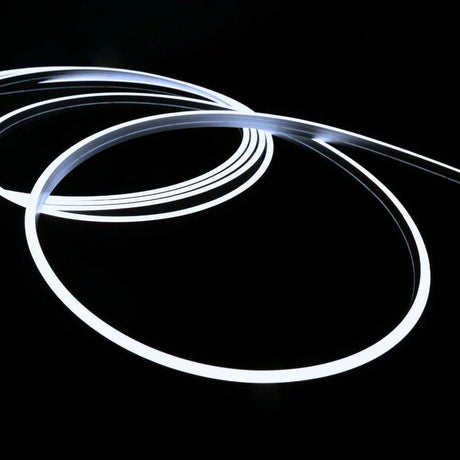
Mini Cool White Neon Flex 6000K 24V 4x10mm IP65 Waterproof 168LEDs/m
SKU: NFCW24V410From £13.85Unit price /Unavailable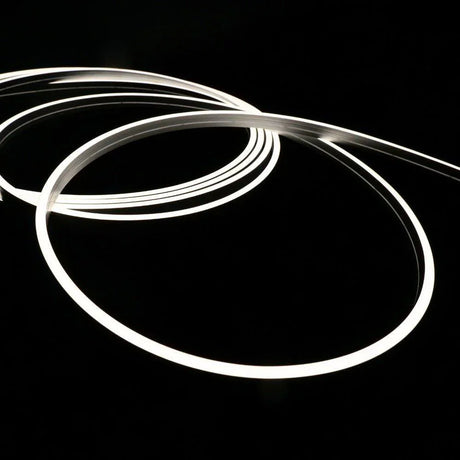
Mini Natural White Neon Flex 4000K 24V 4x10mm IP65 Waterproof 168LEDs/m
SKU: NFNW24V410From £13.85Unit price /Unavailable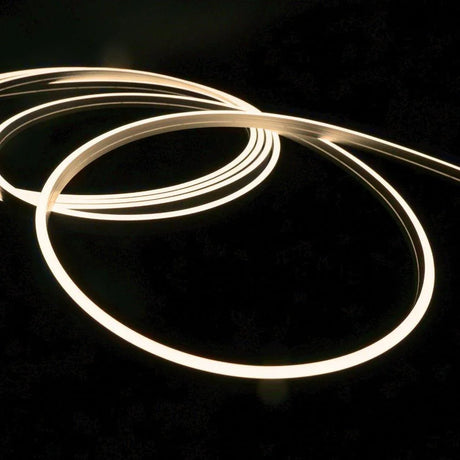
Mini Warm White Neon Flex 3000K 4x10mm IP65 Waterproof 168 LEDs/m
SKU: NFWW24V410From £13.85Unit price /Unavailable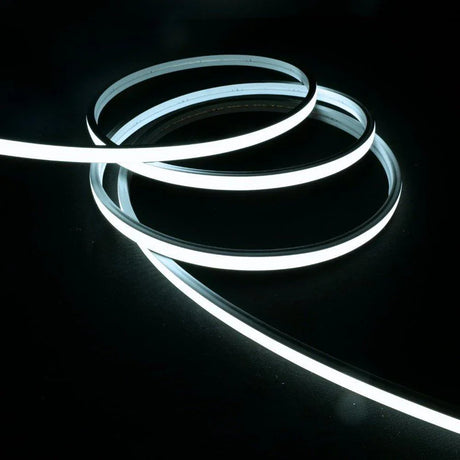
Cool White Neon Flex 6000K 24V Top Bend 10x6mm IP65 Waterproof 280LEDs/m
SKU: NFCW24V106From £14.95Unit price /Unavailable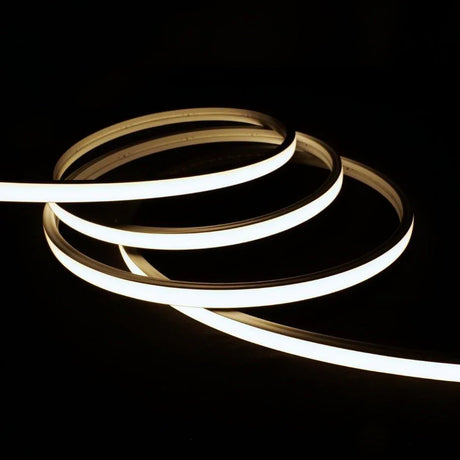
Natural White Neon Flex 4000K 24V Top Bend 10x6mm IP65 Waterproof 280LEDs/m
SKU: NFNW24V106From £14.95Unit price /Unavailable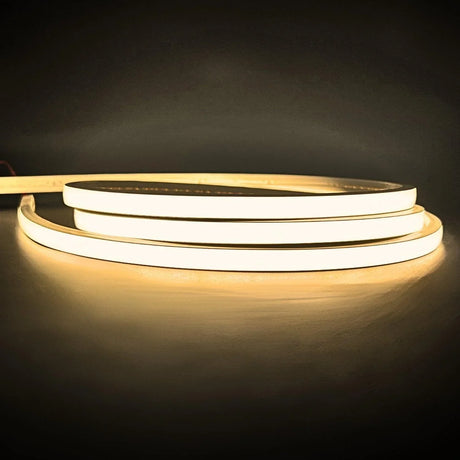
Warm White Neon Flex 3000K 24V Top Bending 10x6mm IP65 Waterproof 280LEDs/m
SKU: NFWW24V106From £15.95Unit price /Unavailable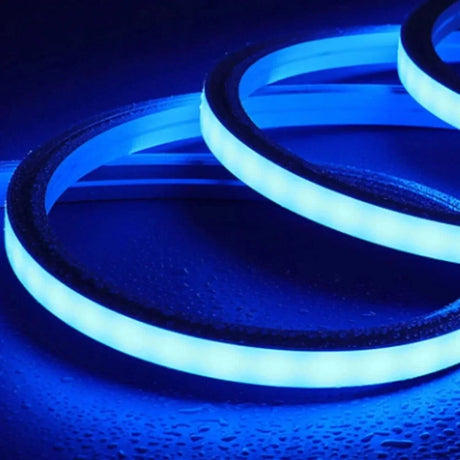
Blue LED Neon Flex 16x16mm 220V 240V Top Bending 120LEDs/m 20cm Cut IP65 Waterproof with UK Plug
SKU: NFWWVB220V1616From £17.95Unit price /Unavailable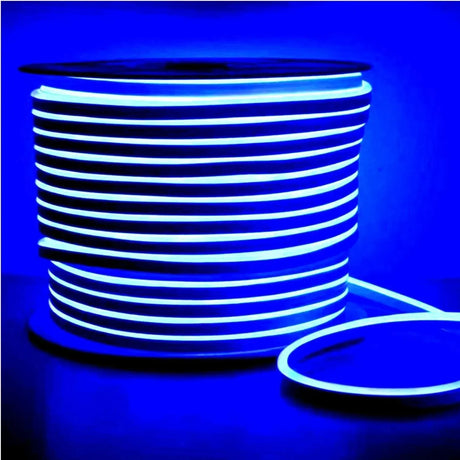
Blue LED Neon Flex 8x16mm 120LEDs/m AC 220 240V IP65 Waterproof with UK Plug
SKU: ALNFBLUE220V816From £13.95Unit price /Unavailable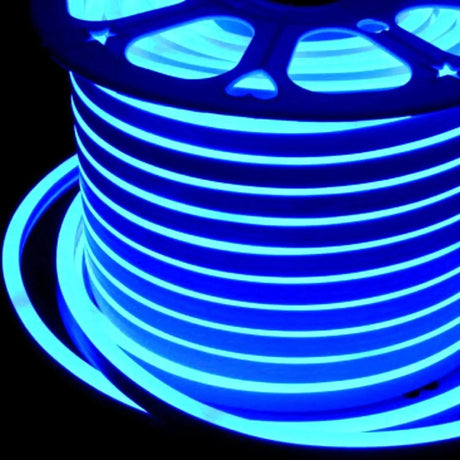
Blue LED Neon Flex AC 220V 240V 8x16mm 120LEDs/m IP65 Waterproof with UK Plug
SKU: ALNFBLUE220V816-IP65From £14.05Unit price /Unavailable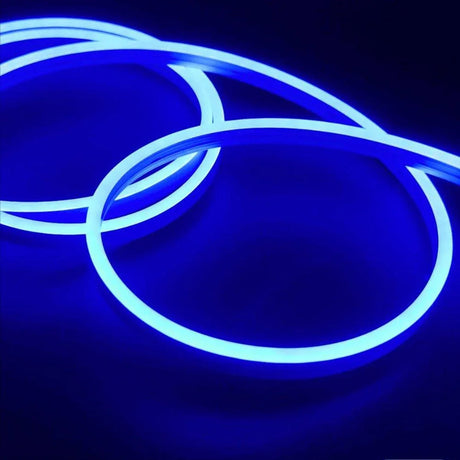
Blue LED Neon Flex 12V 8x16mm 120 LEDs/m IP65 Waterproof 5 Metre
SKU: NFBLUE12V816From £11.85Unit price /Unavailable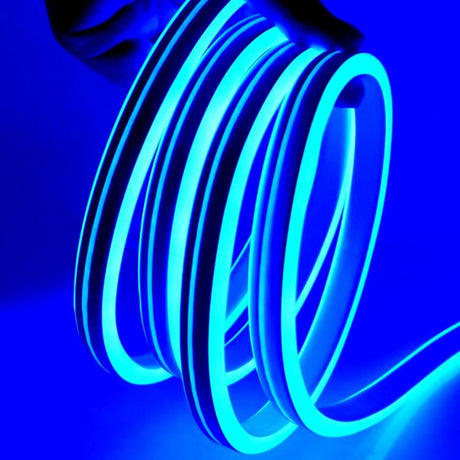
Blue Neon Flex Double Side 220V 240V 120LED/m 8x16mm IP65 Waterproof Full Kit
SKU:From £14.95Unit price /Unavailable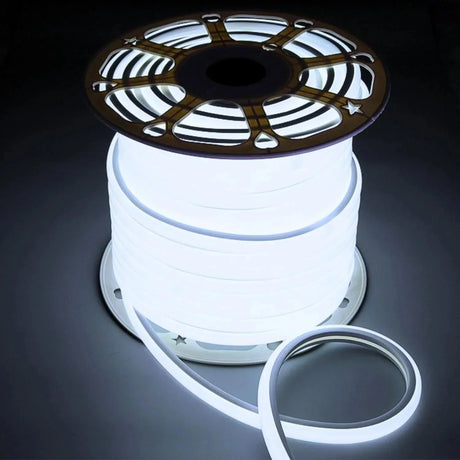
Cool White Neon Flex 16x16mm D Shape Top Bend 120LEDs/m 220V 240V IP65 with UK Plug
SKU: NFCWVB220V1616-DFrom £17.54£19.85Unit price /Unavailable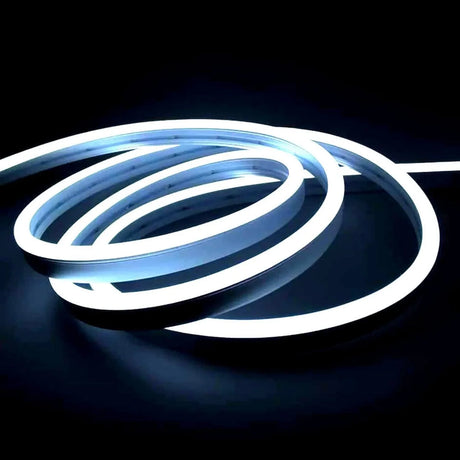
Cool White LED Neon Flex 24V DC Wireless 8x16mm 120LEDs/m IP65 Waterproof
SKU: ALNFCWWIP67-24VFrom £17.81Unit price /Unavailable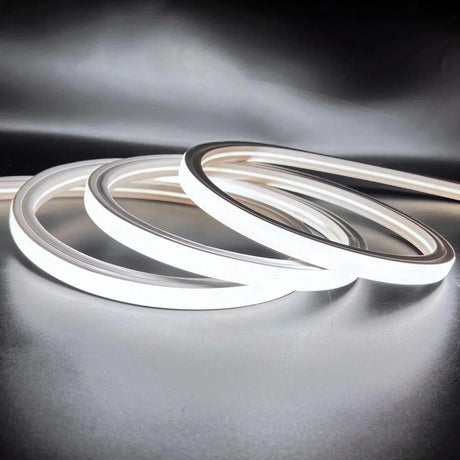
Cool White LED Neon Flex 6000K 16x16mm 220V 240V Top Bend 20cm Cut IP65 with UK Plug
SKU: NFCWW220V1616-20CFrom £17.95Unit price /Unavailable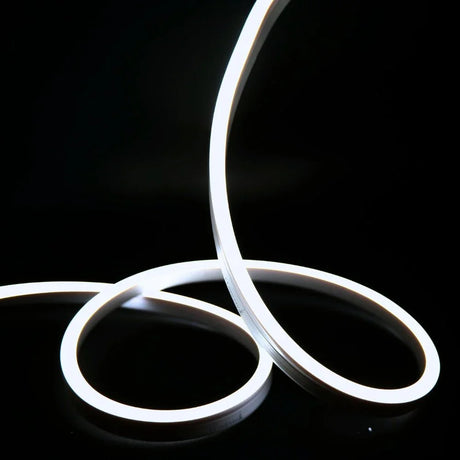
Cool White LED Neon Flex 6000K 24V 10x20mm IP68 Waterproof 12.5cm Cut
SKU: NFCWIP6824V-1020From £25.75Unit price /Unavailable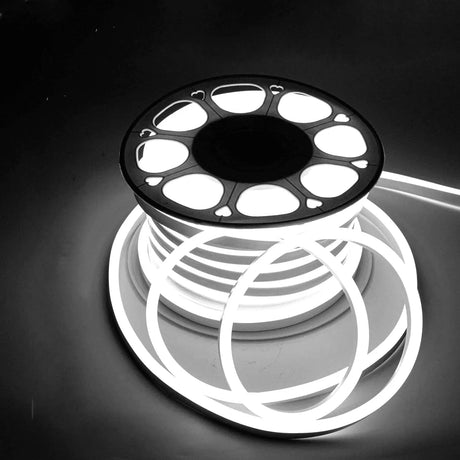
Cool White LED Neon Flex AC 220V 240V 8x16mm 120LEDs/m IP65 Waterproof with UK Plug
SKU: ALNFCW220V816-IP65From £14.05Unit price /Unavailable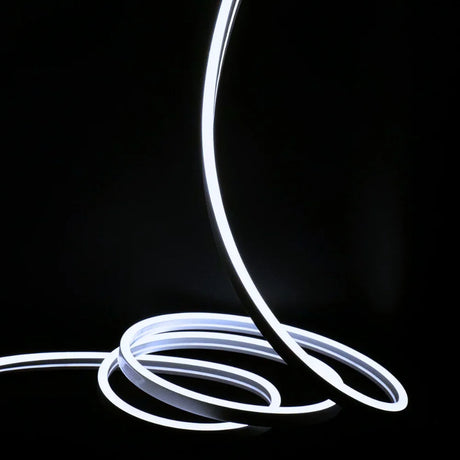
Cool White LED Neon Flex Wireless 8x16mm 120LEDs/m 220V 240V IP65 Waterproof with UK Plug
SKU: ALNFWCW220V816-CWFrom £18.66Unit price /Unavailable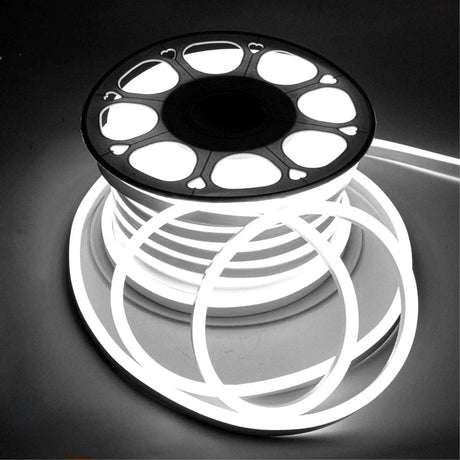
Cool White Neon Flex 220V 240V 8x16mm 120LEDs/m IP65 Waterproof with UK Plug
SKU: ALNFCW220V816-IP65From £13.95Unit price /Unavailable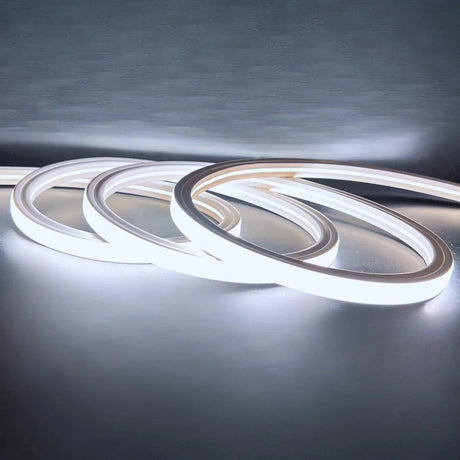
Cool White Neon Flex 6000K 16x16mm 220V 240V Top Bend IP65 10cm Cut with UK Plug
SKU: CW220V1616-10CMFrom £18.95Unit price /Unavailable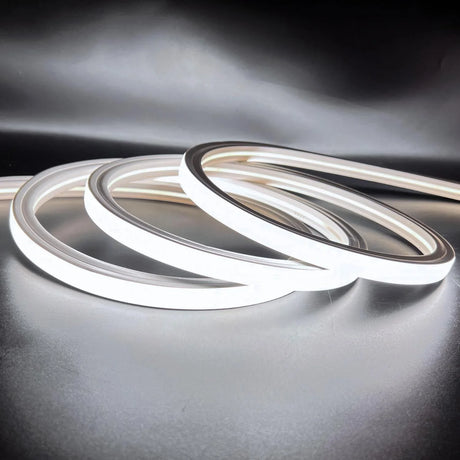
Cool White Neon Flex 6000K 48V 16x16mm Top Bend IP65 Waterproof 30m
SKU: NFCW48V1616From £19.50Unit price /Unavailable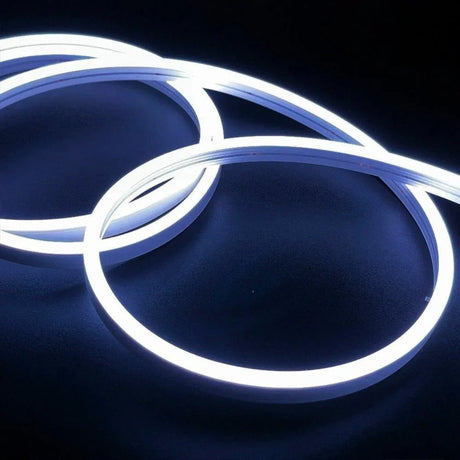
Cool White Neon Flex 6000K 12V 8x16mm 120 LEDs/m IP65 Waterproof 2.5cm Cut
SKU: ALNFWW12V816From £11.85Unit price /Unavailable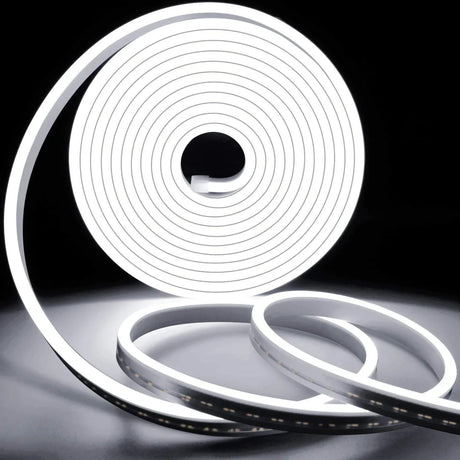
Cool White Neon Flex 6000K DC 12V IP65 Waterproof 8x16mm 120 LEDs/M Only
SKU: ALNFWW12V816From £13.73Unit price /Unavailable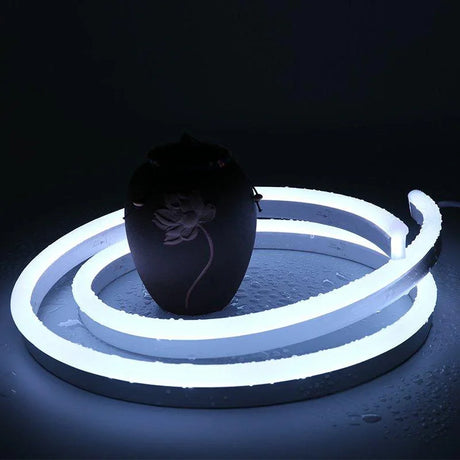
Cool White Neon Flex DC 12V IP65 Waterproof 8x16mm 120 LEDs/M Full Kit
SKU: ALNFCW12V816From £21.48Unit price /Unavailable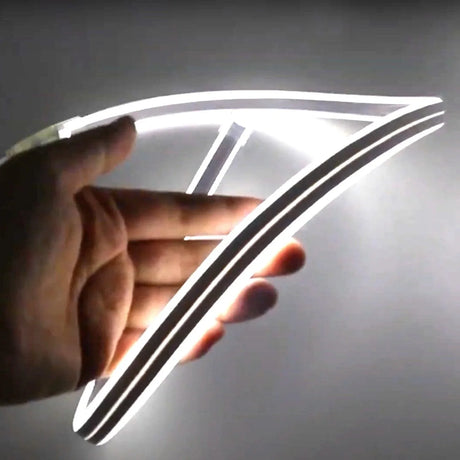
Cool White Neon Flex Double Side 220V 240V 120LED/m 8x16mm IP65 Waterproof Full Kit
SKU: ALNFDSCW220V816-IP67From £14.95Unit price /Unavailable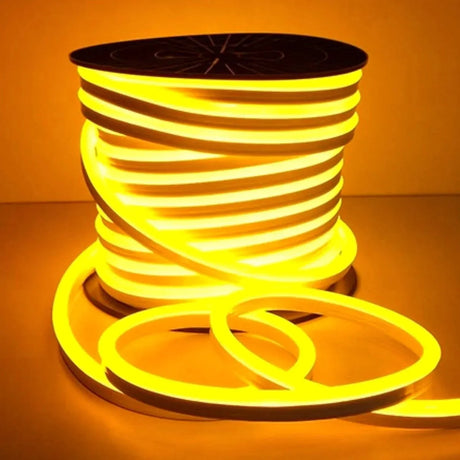
Golden Neon Flex 220V 240V 8x16mm 120LEDs/m IP65 Waterproof with UK Plug
SKU: ALNFGOLDEN220V816-IP65From £13.95Unit price /Unavailable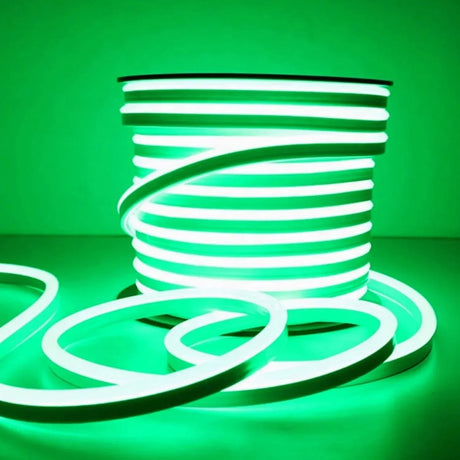
Green LED Neon Flex 220V 240V 8x16mm 120LEDs/m IP65 Waterproof with UK Plug
SKU: ALNFGREEN220V816-IP65From £13.95Unit price /Unavailable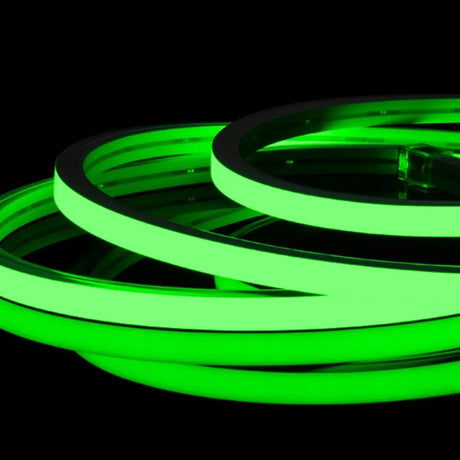
Green LED Neon Flex 220V 240V Flat Shape Top Bend 20cm Cut IP65 with UK Plug
SKU: NFGREEN220V1616-20CFrom £17.95Unit price /Unavailable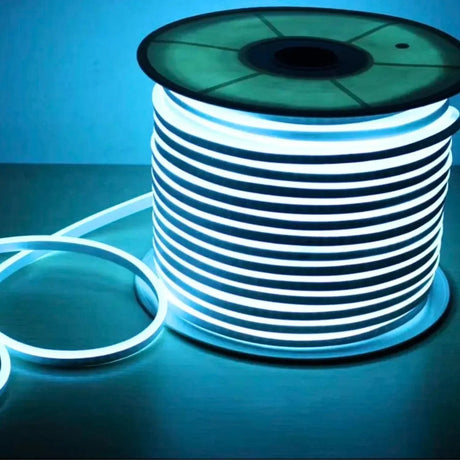
Ice Blue Neon Flex 220V 240V 8x16mm 120LEDs/m IP65 Waterproof with UK Plug
SKU: NFICEBLUE220V816-65From £13.95Unit price /Unavailable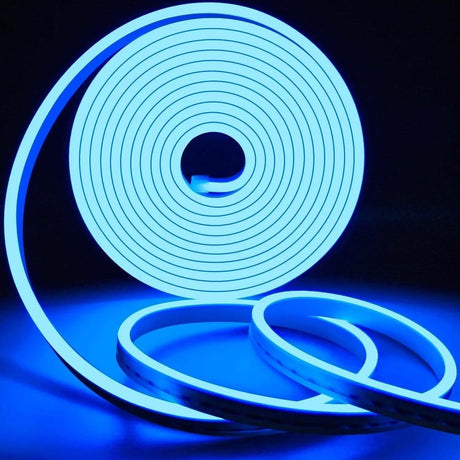
Mini Blue LED Neon Flex 6x12mm 12V 120LEDs/m IP65 Waterproof 2.5cm Kit
SKU: NFBLUE12V612KFrom £19.85Unit price /Unavailable
Blue Neon Flex 6x12mm 12V IP65 Waterproof 1cm Cut
SKU: NFBLUE12V612-1CMFrom £11.85Unit price /Unavailable-
Blue Neon Flex 6x12mm 12V IP65 Waterproof 2.5cm Cut
SKU: ATNFBLUE12V612From £11.85Unit price /Unavailable 
Mini Cool White Neon Flex 12V 6x12mm 120LEDs/m IP65 Waterproof 2.5cm Cut Kit
SKU: NFCW12V612KFrom £19.85Unit price /Unavailable
Cool White 6000K Neon Flex 6x12mm 12V IP65 Waterproof 2.5cm Cut
SKU: ALNFCW12V612From £11.50Unit price /Unavailable-
Cool White 6000K Neon Flex 6x12mm 12V IP65 Waterproof 1cm Cut
SKU: NFCW12V612-1CMFrom £11.85Unit price /Unavailable 
Golden Neon Flex 6x12mm 12V IP65 Waterproof 1cm Cut
SKU: NFGOLDEN12V612-1CMFrom £11.85Unit price /Unavailable
Green Neon Flex 6x12mm 12V IP65 Waterproof 1cm Cut
SKU: ATNFGREEN12V612-1CMFrom £11.85Unit price /Unavailable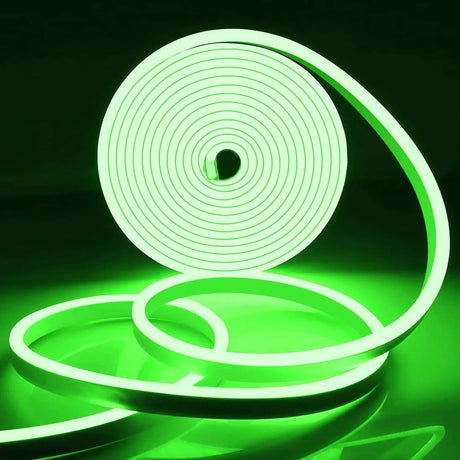
Mini Green LED Neon Flex 6x12mm 12V 120LEDs/m IP65 Waterproof 2.5cm Kit
SKU: NFGREEN12V612KFrom £19.85Unit price /Unavailable-
Green Neon Flex 6x12mm 12V IP65 Waterproof 2.5cm Cut
SKU: NFGREEN12V612From £11.85Unit price /Unavailable 
Natural White 4000K Neon Flex 6x12mm 12V IP65 Waterproof 1cm Cut
SKU: NFNW12V612-1CMFrom £11.85Unit price /Unavailable
Orange Neon Flex 6x12mm 12V IP65 Waterproof 1cm Cut
SKU: NFORANGE12V612-1CMFrom £11.85Unit price /Unavailable
Pink Neon Flex 6x12mm 12V IP65 Waterproof 1cm Cut
SKU: NFPINK12V612-1CMFrom £11.85Unit price /Unavailable
Purple Neon Flex 6x12mm 12V IP65 Waterproof 1cm Cut
SKU: NFPURPLE12V612-1CMFrom £11.85Unit price /Unavailable
Red Neon Flex 6x12mm 12V IP65 Waterproof 1cm Cut
SKU: NFRED12V612-1CMFrom £11.85Unit price /Unavailable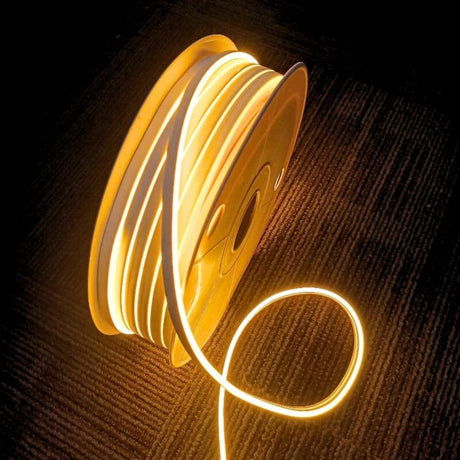
Mini Warm White Neon Flex 12V 6x12mm 120LEDs/m IP65 50 Metre Roll
SKU: NFWW12V612-50M-1CMFrom £295.85Unit price /Unavailable
Warm White 3000K Neon Flex 6x12mm 12V IP65 Waterproof 2.5cm Cut
SKU: NFWW12V612From £11.50Unit price /Unavailable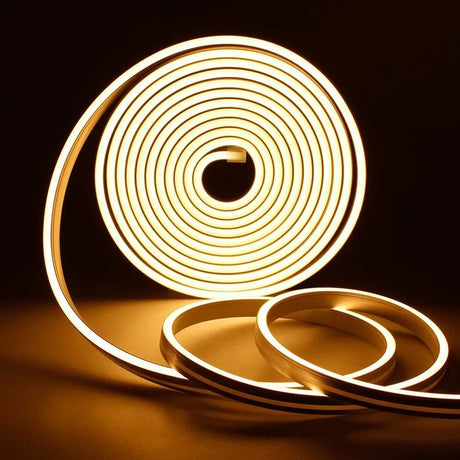
Mini Warm White Neon Flex 3000K 12V 6x12mm 120LEDs/m IP65 Waterproof 2.5cm Cut Kit
SKU: NFWW12V612K-25From £19.50Unit price /Unavailable-
Warm White 3000K Neon Flex 6x12mm 12V IP65 Waterproof 1cm Cut
SKU: NFWW12V612-1CMFrom £11.85Unit price /Unavailable 
Yellow Neon Flex 6x12mm 12V IP65 Waterproof 1cm Cut
SKU: NFYELLOW12V612-1CMFrom £11.85Unit price /Unavailable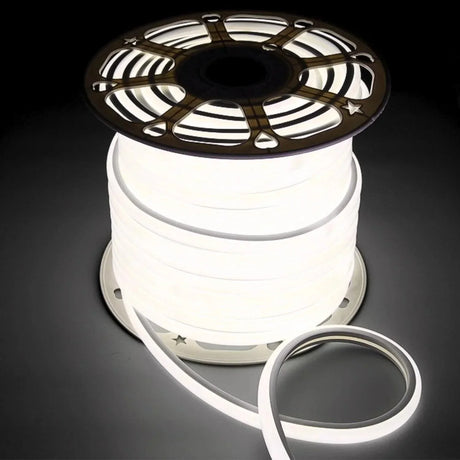
Natural White Neon Flex 16x16mm D Shape Top Bend 120LEDs/m 220V 240V IP65 with UK Plug
SKU: NFWWVB220V1616-DFrom £17.54£19.85Unit price /Unavailable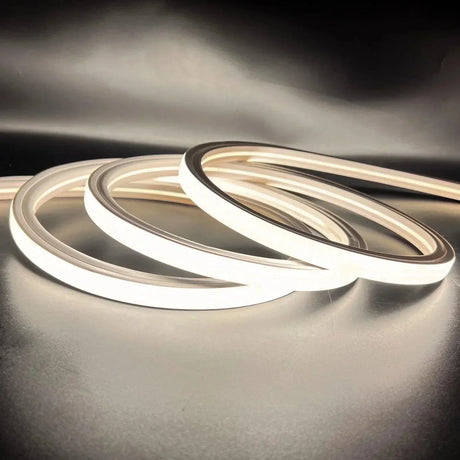
Natural White LED Neon Flex 4000K 220V 240V 220V 240V Top Bend 20cm Cut IP65 with UK Plug
SKU: NFNWW220V1616From £17.95Unit price /Unavailable


What Is Single Colour Neon Flex?
Single Colour Neon Flex is a modern LED lighting solution that offers the visual impact of traditional glass neon but with superior durability, energy efficiency, and versatility. Each flexible light strip features high-quality LEDs encased in a UV-resistant silicone jacket, creating a uniform glow without visible hotspots. Available in multiple voltages and IP ratings, our Single Colour Neon Flex provides reliable illumination for virtually any application.
Key Features & Benefits
Superior Durability
- Impact-resistant silicone construction
- UV-stabilized materials prevent yellowing and degradation
- Durable Single Colour Neon Flex withstands extreme temperatures
- Long operational life of up to 50,000 hours
Installation Versatility
- Bendable Single Colour Neon Flex contours to curved surfaces
- Various mounting options for different surfaces
- Can be cut at marked intervals for custom lengths
- Available in both Recessed Single Colour Neon Flex and Surface-Mounted Single Colour Neon Flex options
Weather Resistance
- Waterproof Single Colour Neon Flex with IP67/IP68 ratings for full submersion
- Splash-Proof Single Colour Neon Flex (IP65) for outdoor above-ground use
- Weatherproof Single Colour Neon Flex withstands rain, snow, and ice
- UV-Resistant Single Colour Neon Flex maintains clarity and performance under sun exposure
Multiple Voltage Options
- 12V systems for smaller residential projects
- 24V options for balanced performance and run length
- 48V solutions for commercial installations with longer runs
- 220V/240V versions for extensive industrial applications
Popular Applications
Architectural & Commercial
Our Single Colour Neon Flex for Architectural Lighting enhances building features and creates dramatic effects on facades, entry points, and interior elements. The uniform illumination and clean lines make it ideal for highlighting structural elements and creating visual interest in commercial spaces.
- Building outline illumination
- Single Colour Neon Flex for Coving Lighting creates elegant ceiling features
- Stairway and pathway safety marking
- Reception area and feature wall accent lighting
Retail & Hospitality
Create captivating customer experiences with Single Colour Neon Flex for Retail Lighting and Single Colour Neon Flex for Hospitality Lighting. The consistent illumination enhances product displays, highlights branding, and creates distinctive atmospheres in shops, restaurants, hotels, and bars.
- Shop window and display case illumination
- Bar and counter accent lighting
- Restaurant and hotel ambient lighting
- Branded signage and decorative elements
Signage & Branding
Single Colour Neon Flex for Signage offers a modern alternative to traditional neon, delivering eye-catching illumination for logos, text, and branded elements. The clean, consistent glow ensures your message stands out day and night.
- Custom logo creation
- Illuminated text and messaging
- Directional and wayfinding signage
- Menu boards and information displays
Creative & Event Lighting
Unleash your creativity with Single Colour Neon Flex for Creative Designs and Single Colour Neon Flex for Event Decor. The flexible nature and consistent illumination make it perfect for temporary installations, artistic creations, and special event enhancement.
- Wedding and celebration decorative lighting
- Theatrical and stage design elements
- Art installations and creative projects
- Festival and event illumination
Outdoor & Landscape
Transform outdoor spaces with Single Colour Neon Flex Outdoor and Single Colour Neon Flex for Landscaping. Our weatherproof options provide reliable illumination for garden features, pathways, and architectural elements in all weather conditions.
- Garden path and feature lighting
- Pool and water feature illumination
- Deck and patio perimeter lighting
- Outdoor dining area ambiance
Industrial & Safety
Industrial Single Colour Neon Flex provides robust lighting solutions for manufacturing plants, warehouses, and other industrial settings. The high visibility and durability make it ideal for safety markings, equipment highlighting, and workspace illumination.
- Safety zone demarcation
- Equipment highlighting
- Emergency exit path marking
- Machinery illumination
Technical Specifications
Voltage Options
We offer multiple voltage options to suit various installation requirements:
- 12V DC: Ideal for smaller installations and DIY projects
- 24V DC: Balanced performance for medium-sized commercial applications
- 48V DC: Higher voltage for longer runs with minimal voltage drop
- 220V/240V AC: Perfect for large commercial and industrial installations
Protection Ratings
Our range includes various IP (Ingress Protection) ratings to suit different environmental conditions:
- IP65 (Splash-Proof): Protected against dust and low-pressure water jets
- IP67 (Waterproof): Protected against dust and temporary immersion
- IP68 (Fully Waterproof): Protected against dust and continuous immersion
Physical Specifications
- Sizes: Available in multiple width and height dimensions
- Bending Angles: Options include side-bending, top-bending, and multi-directional flexibility
- Cutting Intervals: Can be cut at marked points (typically every 25mm, 50mm, or 100mm depending on model)
- Material: Silicone-Coated Single Colour Neon Flex with UV stabilizers
Performance Metrics
- Brightness: Consistent illumination without hotspots
- Energy Efficiency: Low power consumption compared to traditional neon
- Lifespan: Up to 50,000 hours of operational life
- Temperature Range: Typically -20°C to +60°C operating temperature
Installation Guidance
Mounting Options
Our Single Colour Neon Flex can be installed using various mounting methods:
- Channel Mounting: Using aluminum or PVC profiles for a clean, professional finish
- Clip Mounting: Utilizing mounting clips placed at regular intervals
- Direct Surface Mounting: Using appropriate silicone adhesive for certain applications
Power Considerations
Ensure proper power supply selection based on your installation:
- Calculate total power requirements based on length and voltage
- Consider voltage drop for longer runs
- Use appropriate connectors and waterproofing for outdoor installations
- Follow proper wiring practices for your specific voltage option
Bending Guidelines
To maximize the performance and lifespan of Bendable Single Colour Neon Flex for Curves:
- Observe minimum bending radius specifications
- Use the appropriate bending direction (side-bend vs. top-bend)
- Avoid sharp angles that could damage internal components
- Secure properly after bending to maintain desired shape
Product Selection Guide
For Outdoor Applications
Choose Waterproof Single Colour Neon Flex with IP67 or IP68 rating for:
- Exposed building features
- Garden and landscape lighting
- Pool surrounds and water features
- Signs exposed to weather conditions
For Commercial Projects
Select Single Colour Neon Flex for Commercial Projects with these considerations:
- Higher voltage options (24V, 48V, or 220V/240V) for longer runs
- Consider brightness and viewing distance requirements
- Choose appropriate mounting channels for professional finish
- Evaluate warranty and support options
For Creative and Decorative Use
When selecting Flexible Single Colour Neon Flex for artistic applications:
- Consider side-bend vs. top-bend based on design needs
- Evaluate minimum cutting intervals for detailed shapes
- Choose lower voltage options (12V, 24V) for easier handling
- Select appropriate controllers if dimming is desired
Frequently Asked Questions
What’s the difference between IP65, IP67, and IP68 rated Single Colour Neon Flex?
IP65 is protected against dust and water jets, IP67 can withstand temporary immersion, and IP68 is suitable for continuous submersion under specified conditions. Higher IP ratings offer greater protection for harsher outdoor or wet environments.
Can Single Colour Neon Flex be cut to custom lengths?
Yes, Single Colour Neon Flex can be cut at marked cut points, which vary by voltage and product type. Cutting must follow manufacturer guidelines to avoid damage or voiding the warranty.
What voltage option should I choose for my project?
12V is best for short, detailed runs, while 24V is ideal for longer, more consistent installations with less voltage drop. Higher voltages allow longer runs with fewer power injection points.
How do I install Single Colour Neon Flex around corners or curved surfaces?
Neon Flex can be gently bent horizontally (and sometimes vertically, depending on design) and fixed using mounting clips, channels, or adhesive. Tight bends should stay within the specified minimum bend radius.
Is Single Colour Neon Flex energy efficient?
Yes, it uses LED technology, which consumes significantly less power than traditional neon while delivering high brightness and consistent illumination. This results in lower running costs and reduced heat output.
How long will Single Colour Neon Flex last?
High-quality Single Colour Neon Flex typically has a lifespan of 30,000 to 50,000 hours, depending on usage and environmental conditions. Proper installation and ventilation help maximise longevity.
Can I use Single Colour Neon Flex underwater?
Only IP68-rated Single Colour Neon Flex is suitable for underwater use. Even then, installation must follow strict guidelines regarding sealing, depth limits, and power supply protection.
Do I need special controllers for Single Colour Neon Flex?
No special controllers are required for standard on/off operation, but dimming requires a compatible LED dimmer matched to the voltage and power load. Controllers are simpler compared to RGB or addressable systems.
What is Single Colour Neon Flex, and how does it differ from RGB and Addressable RGB Neon Flex in function and cost?
Single Colour Neon Flex produces a continuous line of light in one fixed colour and does not require controllers, making it simpler and more cost-effective than RGB or addressable RGB neon flex, which offer colour-changing effects at higher cost and complexity.
Which colour temperatures of white Single Colour Neon Flex (2700K, 3000K, 4000K, 6000K) suit different rooms and outdoor areas?
2700K–3000K suits residential, hospitality, and signage applications, while 4000K works well for commercial interiors and 6000K is better for outdoor, security, and industrial environments.
How does Single Colour Neon Flex compare to traditional glass neon in brightness, power consumption, and lifespan?
Single Colour Neon Flex is more energy-efficient, typically brighter per watt, safer to install, and offers a longer lifespan than traditional glass neon with significantly lower maintenance.
What voltages (12V, 24V, 48V, 220V/240V) are available for Single Colour Neon Flex, and when should each be used?
12V and 24V are ideal for short, precise installations, 48V is preferred for longer continuous runs with reduced voltage drop, and 220–240V is used where very long runs are required without frequent power feeds.
How do you cut, terminate, and mount Single Colour Neon Flex while maintaining its IP rating for outdoor use?
Neon flex must be cut only at designated cut points, sealed with approved end caps or silicone, and mounted using compatible clips or channels to preserve its outdoor IP rating.
Which dimmers and power supplies are compatible with Single Colour Neon Flex for smooth, flicker-free dimming?
Constant-voltage LED power supplies paired with compatible PWM, trailing-edge, or 0–10V dimmers are commonly used to achieve smooth, flicker-free dimming.
How can Single Colour Neon Flex be used for clean architectural lines on façades, coves, and stair edges in commercial buildings?
It is used to create continuous, uniform light lines that highlight architectural features while maintaining a minimal and modern aesthetic.
What are the best ways to use single-colour neon flex for signage and logos compared with multi-colour RGB signs?
Single-colour neon flex is ideal for logos and signage where clarity, brand consistency, and cost efficiency are more important than colour-changing effects.
How can Single Colour Neon Flex improve safety and wayfinding in car parks, warehouses, and emergency escape routes?
It enhances visibility by outlining edges, pathways, and hazards, helping guide movement while using less energy than traditional lighting.
How do UV exposure, temperature, and pollution affect Single Colour Neon Flex installed outdoors over many years?
High-quality silicone neon flex is designed to resist UV exposure and temperature extremes, though prolonged pollution exposure may gradually reduce brightness over time.
What cleaning and inspection routines are recommended to keep Single Colour Neon Flex looking bright and uniform?
Periodic cleaning with mild detergent and routine inspection of seals, fixings, and connections help maintain performance and appearance.
How does lumen output per metre and efficacy of Single Colour Neon Flex compare with LED strip in aluminium profiles?
Neon flex provides more uniform and glare-free illumination, while LED strips in aluminium profiles may deliver slightly higher raw lumen output.
What should buyers check when choosing Single Colour Neon Flex (IP rating, lumen/m, CRI, cut length, bend direction)?
Buyers should confirm the IP rating, brightness per metre, colour quality (CRI), cut intervals, voltage, and whether the product is top-bend or side-bend.
How do UK suppliers such as UK LED Lights and Glow LEDs position Single Colour Neon Flex for trade installers versus DIY customers?
UK suppliers typically offer trade-focused products with higher specifications and custom options, alongside simplified kits aimed at DIY users.
When is Single Colour Neon Flex a better choice than RGB or Addressable RGB Flex for a given project brief?
It is the better choice when the project prioritises clean design, reliability, lower cost, and does not require colour-changing or animated effects.