
Professional LED lighting
220V 240V Single Colour Controllers
17 products
Wide range of 220V 240V single colour controllers for single colour led strip & led neon flex. RF Dimmer controller & WIFI dimmer controller to connect with Alexa or Google Home.
Read more Show less
Wide range of 220V 240V single colour controllers for single colour led strip & led neon flex. RF Dimmer controller & WIFI dimmer controller to connect with Alexa or Google Home.
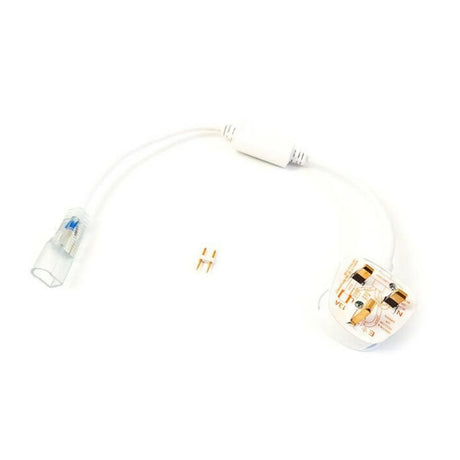
LED Neon Flex AC 220V 240V 8x16mm Single Colour Connector
SKU: NFCONTROL8X16£11.95Unit price /Unavailable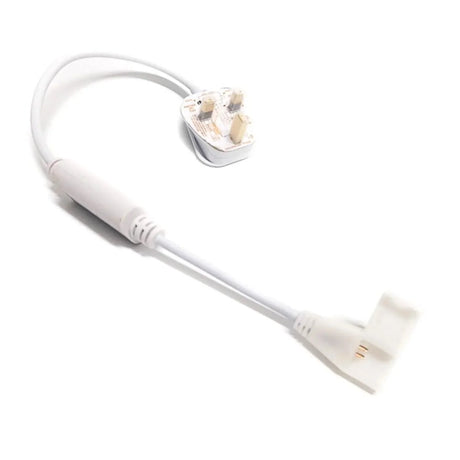
LED Neon Flex AC 220V 240V 8x16mm Single Colour Wireless Connector
SKU: NFCONTROL8X16£11.95Unit price /Unavailable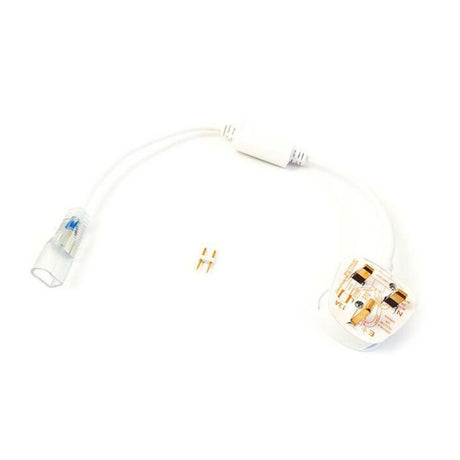
LED Strip 220V 240V Controller For 5730 180 LEDs/m 2 Pin with UK Plug
SKU: ALC5730180LED220V£13.49Unit price /Unavailable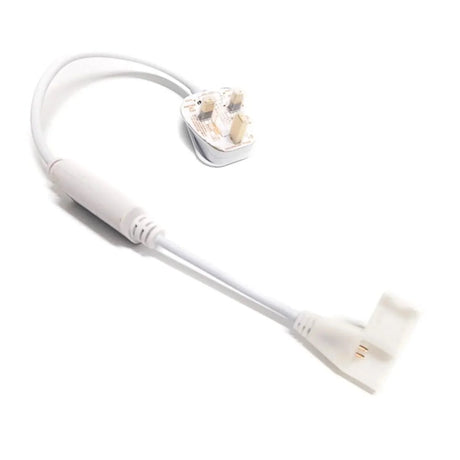
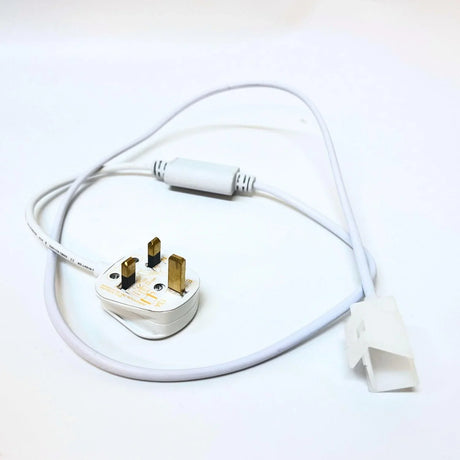
LED Neon Flex 220V 240V 16x16mm Single Colour Connector for 20cm cut Neon Flex
SKU: NFCONTROL16X16-20CUT£12.95Unit price /Unavailable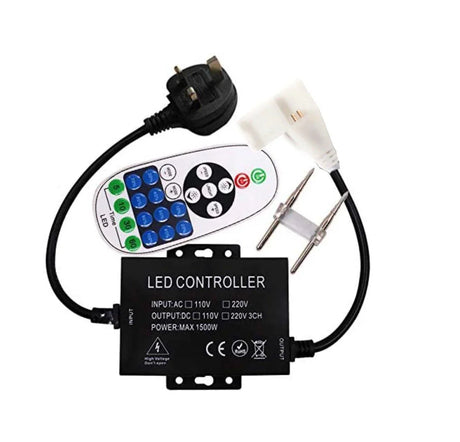 SKU: NFWIRDIMC220V816-RF£29.85Unit price /Unavailable
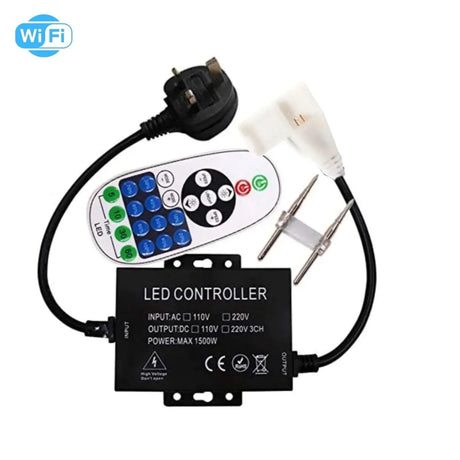 SKU: NFWIRDIMC220V816-WIFI£35.85Unit price /Unavailable
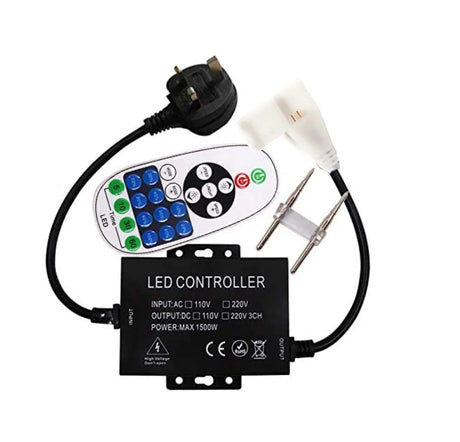 SKU: COBDIMC220V816-RF£29.85Unit price /Unavailable
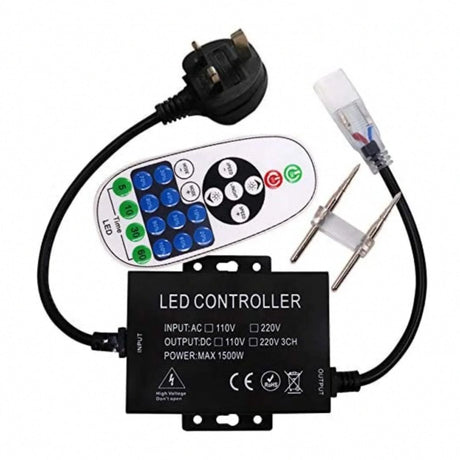 SKU: NFDIMC220V816-RF£29.85Unit price /Unavailable
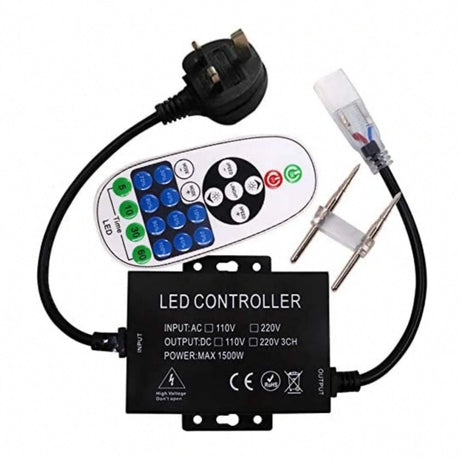 SKU: LED5730DIMC220V816-RF£29.85Unit price /Unavailable
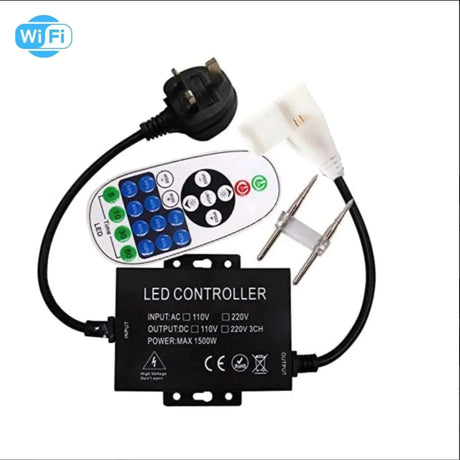 SKU: COBDIMC220V816-WIFI£35.85Unit price /Unavailable
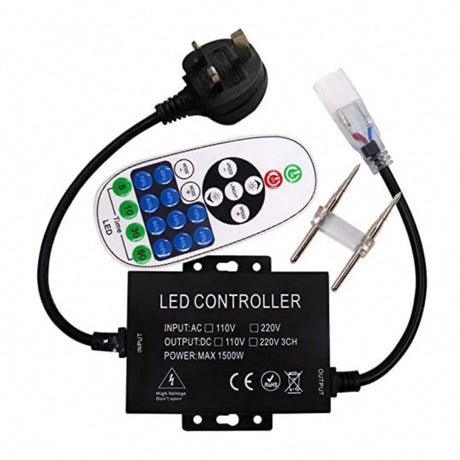 SKU: LED5730DIMC220V816-RF£29.85Unit price /Unavailable
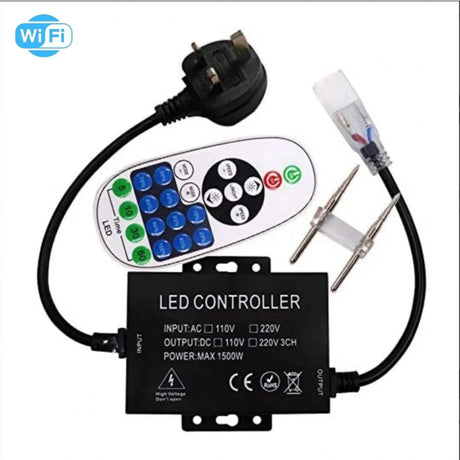 SKU: NFDIMC220V816-WIFI£35.85Unit price /Unavailable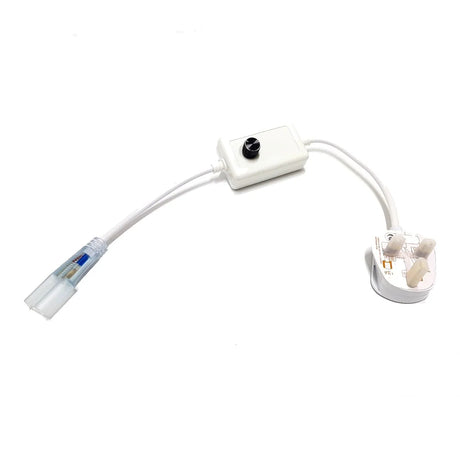
LED Neon Flex AC 220V 240V 8x16mm Single Colour Dimmer Controller
SKU: ALNFDIMC220V816£12.85Unit price /Unavailable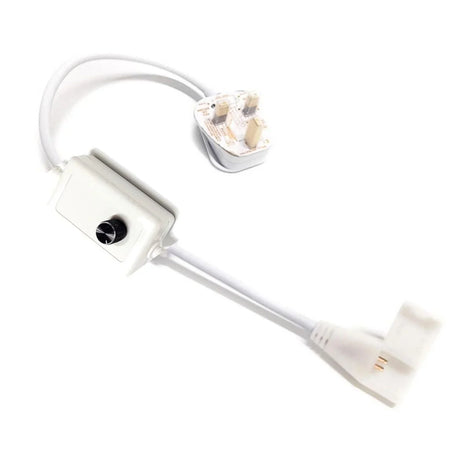
LED Neon Flex Wireless AC 220V 240V 8x16mm Single Colour Dimmer Controller
SKU: ALNFDIMC220V816-WIRLS£15.85Unit price /Unavailable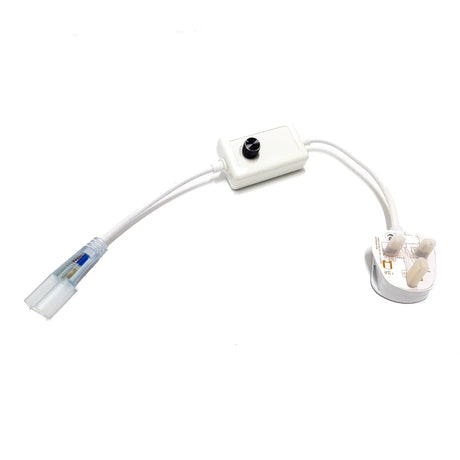
LED Strip Single Colour 5730 180 LEDs/m AC 220V 240V Dimmer Controller
SKU: 5730LEDSTRIP-DC£12.85Unit price /Unavailable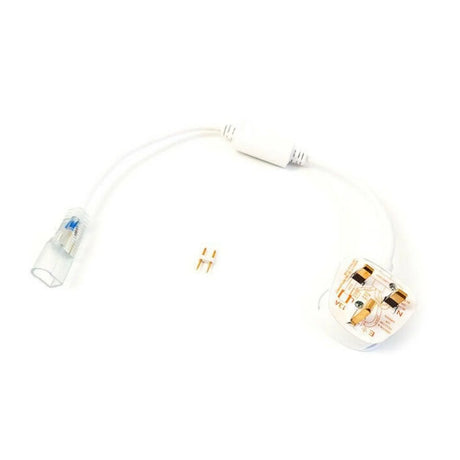
LED Strip 220V 240V Controller For 2835 120 LEDs/m 2 Pin with UK Plug
SKU: C2835120LED220V£13.49Unit price /Unavailable
FAQ's
What is a 220V–240V single-colour LED controller, and how does it differ from low-voltage 12V–48V dimmers in wiring and safety?
A 220V–240V single-colour LED controller switches mains voltage directly to compatible LED strips or neon flex, eliminating the need for a low-voltage driver. Unlike 12V–48V dimmers, it must be installed with full mains-voltage safety measures and electrical compliance.
Which LED products are compatible with 220V–240V single-colour controllers?
Only LED products specifically designed for direct mains operation—such as 220V SMD strips, COB strips, and 220V neon flex—are compatible. Standard 12V or 24V LED strips always require a low-voltage driver and controller instead.
Can one 220V–240V controller safely run different wattages and lengths of single-colour strip?
Yes, provided the combined load stays within the controller’s maximum wattage rating and the manufacturer’s maximum continuous run length. Higher-wattage strips reduce the total allowable length per controller.
How do you calculate maximum strip length and load for a 220V–240V controller rated up to 1500 W?
Multiply the strip’s wattage per metre by the intended length and ensure the total is below the controller’s rated wattage, allowing a safety margin. Always follow the strip manufacturer’s maximum run-length limits as well as the controller rating.
What best practices should be followed when installing 220V single-colour controllers outdoors in the UK?
Installations should use RCD protection, suitable earthing, correct cable sizing, and IP-rated enclosures and glands. All work should comply with BS 7671 and be carried out or checked by a qualified electrician.
Why is it unsafe to connect 12V or 24V strips to 220V controllers?
Low-voltage LED strips will fail instantly and pose serious fire and electric-shock risks if connected to mains voltage. A correct setup uses a suitable LED driver to step down the voltage and a compatible low-voltage dimmer.
How do RF-only 220V dimmer controllers compare with RF + Wi-Fi smart dimmers?
RF-only controllers offer reliable long-range control with simple remotes, while RF + Wi-Fi models add app control, scheduling, and smart-home integration. Smart dimmers are more flexible but slightly more complex to set up.
What dimming performance can be expected from modern 220V single-colour controllers?
Modern controllers typically provide smooth step-free dimming with minimal flicker when used with compatible LED products. Performance depends on controller quality and the internal design of the 220V LED strip.
Can 220V single-colour controllers integrate with wall push-buttons or smart home platforms?
Some models support external push-button inputs or integrate with smart platforms via Wi-Fi gateways or apps. Integration options vary by controller and should be confirmed before specification.
In which projects is a 220V–240V single-colour controller preferable to a 24V system?
They are best suited to very long runs such as façades, soffits, rooflines, or perimeter lighting where minimising drivers and power injection points is important. For shorter or interior runs, 24V systems usually offer greater flexibility.
How can 220V single-colour dimmers be used to retrofit existing non-dimmable outdoor LED strip installations?
A compatible inline 220V dimmer can often be added between the mains supply and the strip, provided the LED product supports dimming. Strip specifications should always be checked before retrofitting.
What layout strategies work best when controlling multiple 220V strip runs?
Large installations are best split into zones with separate controllers to manage load and simplify maintenance. This also allows different brightness levels or switching patterns across areas.
What should buyers compare when choosing a 220V–240V single-colour controller?
Key factors include maximum wattage, IP rating, control method (RF, Wi-Fi, push-button), connector style, certifications, and warranty. Supplier support and clear installation guidance are also important.
How do UK suppliers present 220V controller + strip or neon kits as plug-and-play solutions?
UK suppliers typically offer matched kits with compatible strips, pre-terminated connectors, IP-rated controllers, and clear load limits. These kits are aimed at simplifying installation for homeowners and professional installers alike.