
Professional LED lighting
12V-48V RGB Controllers
32 products
Check out our wide range of 12V 24V 48V multicolour RGB controllers.
Read more Show less
Check out our wide range of 12V 24V 48V multicolour RGB controllers.
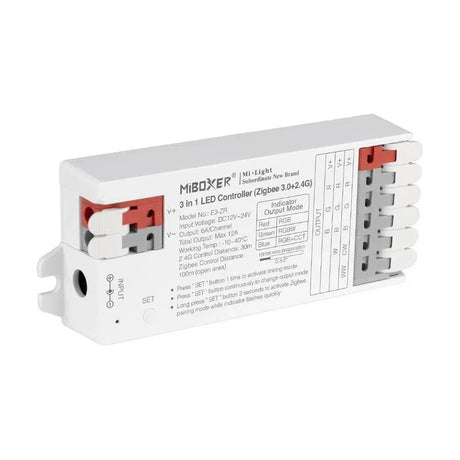
Miboxer E3-RF 2 in 1 LED RF Controller 12V-24V RGB/RGBW & RGB+CCT
SKU: E3-RF£27.85Unit price /Unavailable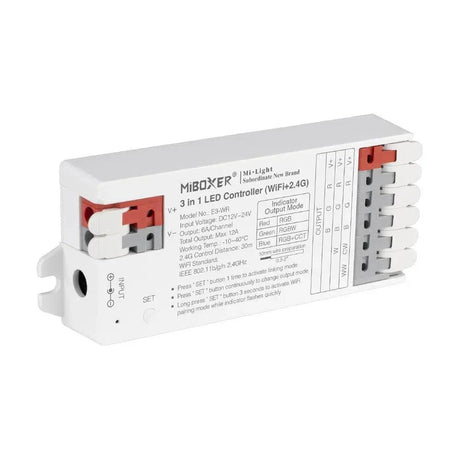
MiBoxer E3-WR 3 In 1 WiFi Smart Strip LED Strip Dimmers Controller
SKU: E3-WR£29.85Unit price /Unavailable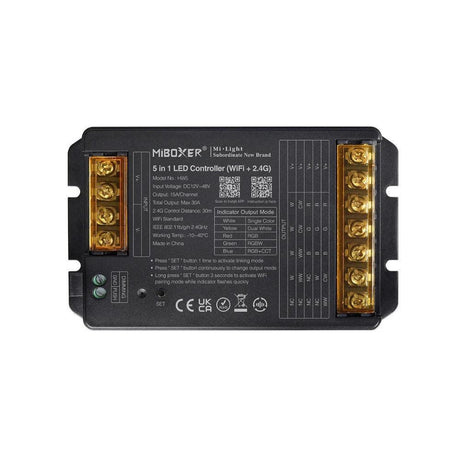
MiBoxer HW5 5 In 1 WiFi Smart Strip LED Strip Dimmers Controller 12V-48V
SKU: Miboxer-HW5£43.85Unit price /Unavailable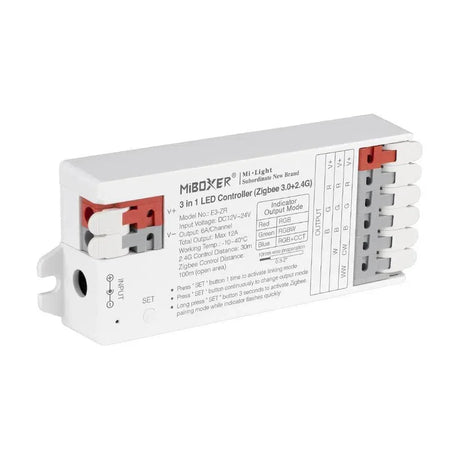
Miboxer Zigbee 3.0 E3-ZR 3 in 1 LED Light Strip Controller 12V-24V
SKU: E3-ZR£31.85Unit price /Unavailable
RGB Strip Light & Neon Flex WIFI Controller with Remote DC 5V-24V with Tuya App
SKU: RGBCONT12V24V-BWIFI£38.95Unit price /Unavailable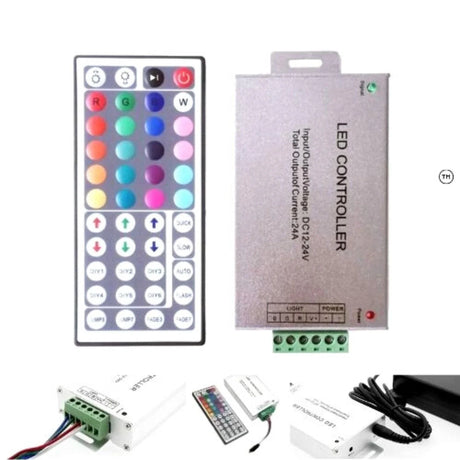
12V/24V 24A RGB LED Strip Controller with IR 44 Key Remote For RGB SMD 5050 3528
SKU: ALRGB12VCON-24A£16.95Unit price /Unavailable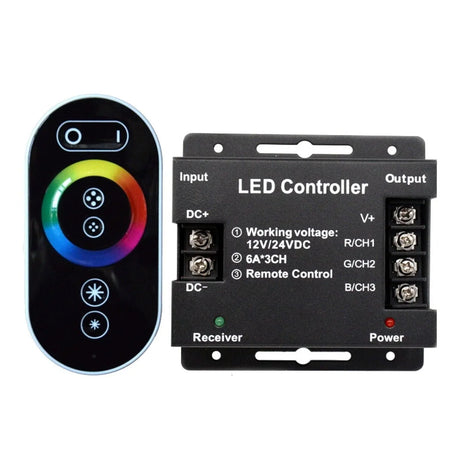
12V/24V RGB LED Strip Controller with Touch RF Remote 18A 3 Channel
SKU: RGBRFC12V24V-18A£28.85Unit price /Unavailable
Smart WiFi IR Controller for RGB Led Strip Light with 21 Keys Remote, Compatible with Alexa & Google
SKU: RGBCONIR12V24V-WIFI£14.85Unit price /Unavailable
Skydance 12-48VDC 5CH*6A WiFi & RF 5 in 1 LED Controller V5-L(WT) with R8 Remote
SKU: SKYD-V5-L(WT)-R8£69.85Unit price /Unavailable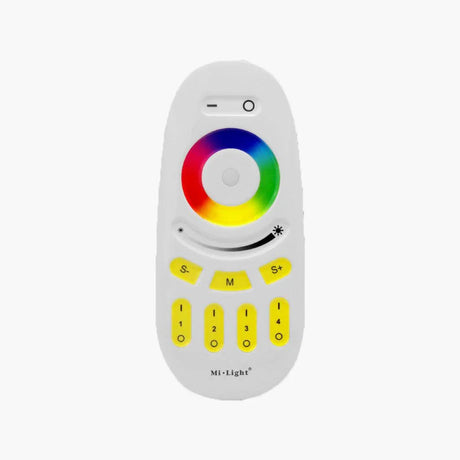
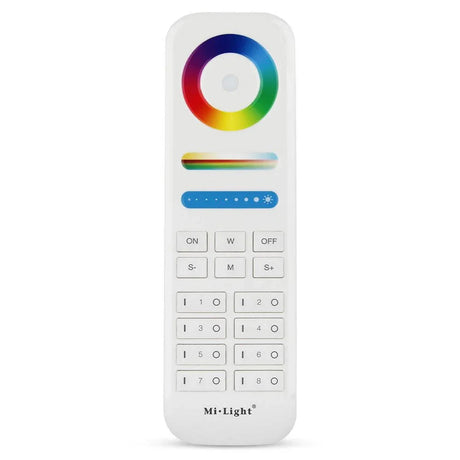
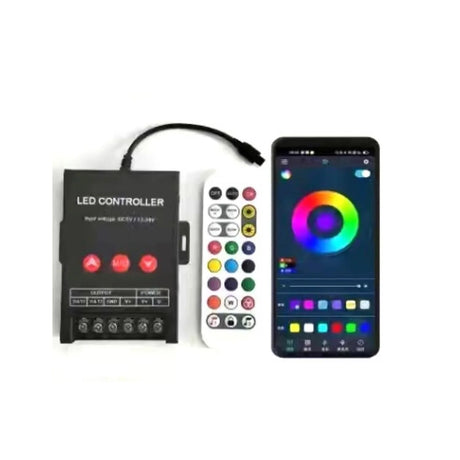 SKU: DRGB1224VCONTR-BT£38.95Unit price /Unavailable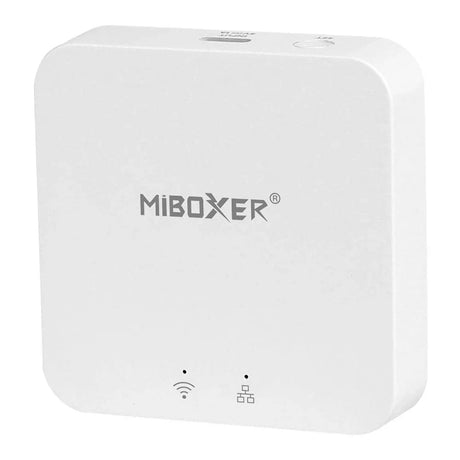
Miboxer ZBBOX3 ZIGBEE 3.0 Multimode Gateway with Bluetooth mesh
SKU: ZB-Box3£35.75Unit price /Unavailable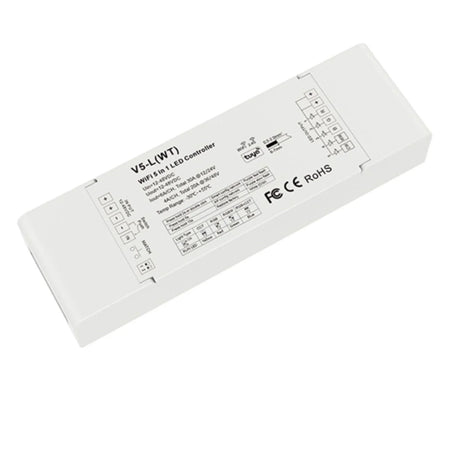
Skydance 12-48VDC 5CH*6A WiFi & RF 5 in 1 LED Controller V5-L(WT)
SKU: SKYD-V5-L(WT)£55.85Unit price /Unavailable
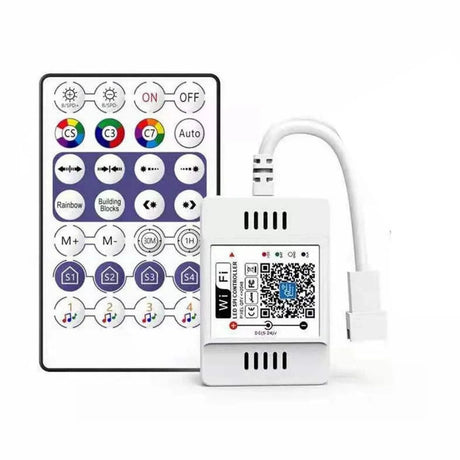
Magic Home Digital Pixel RGB Controller 12V/24V WiFi Pixel Controller for WS2811 WS2812
SKU: MHDPRGBC12V24V£18.65Unit price /Unavailable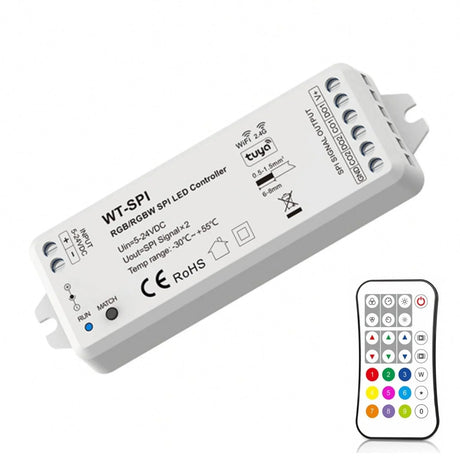 SKU: SKYD-WT-SPI-R9£69.75Unit price /Unavailable
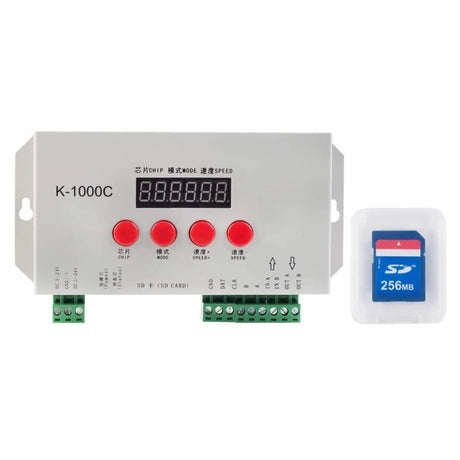 SKU: DPRGBCON1000K£48.65Unit price /Unavailable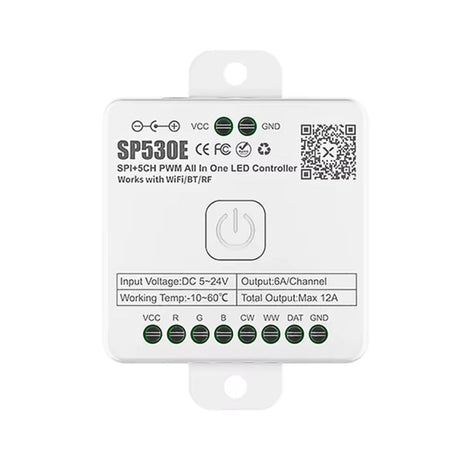
SP530E All in One DC5-24V WiFi and Bluetooth Controller
SKU: SP530E-SPI£33.95Unit price /Unavailable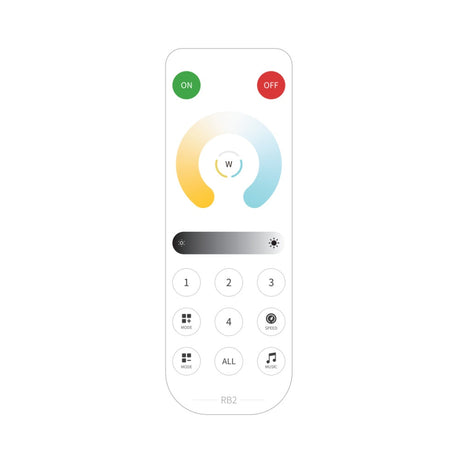
SP530E Remote for DC5-24V CCT LED Strip Controller RB2
SKU: CCT-RB2-REMOTE£15.85Unit price /Unavailable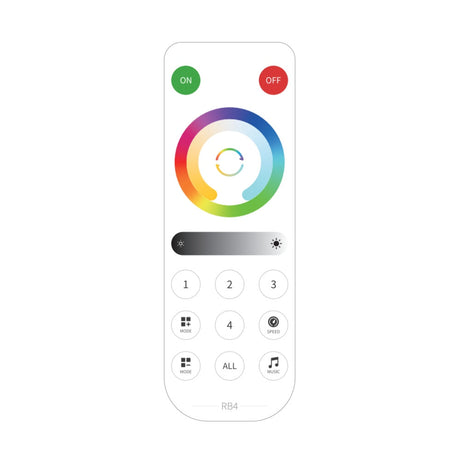
SP530E Remote for DC5-24V RGB CCT LED Strip Controller RB4
SKU: RGBCCT-RB4£15.85Unit price /Unavailable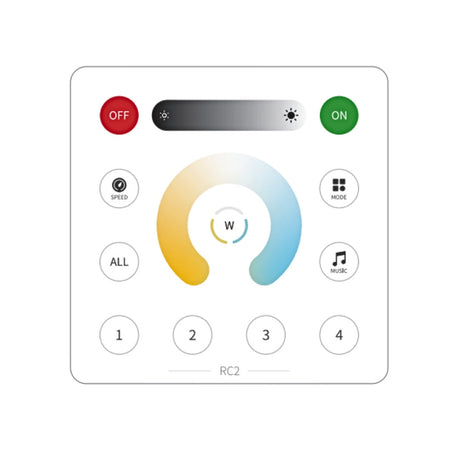
SP530E CCT Wall Panel Controller DC5-24V CCT LED Strip Controller RC2
SKU: WALLP-RC2£19.85Unit price /Unavailable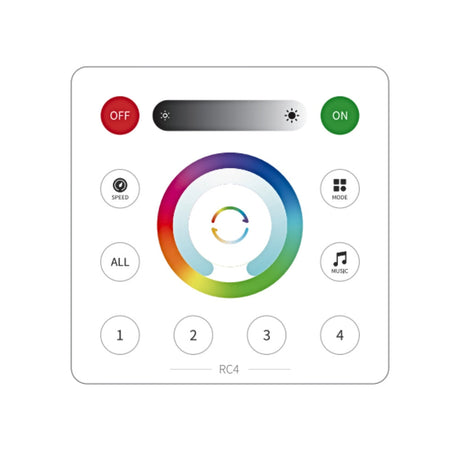
SP530E RGB CCT Wall Panel Controller DC5-24V LED Strip Controller RC4
SKU: WALLP-RC4£19.85Unit price /Unavailable
LTECH M4 + M4-5A RGBW LED Controller & Remote, 12–24V 20A
SKU: LTECH-M4+M4-5A£79.65Unit price /Unavailable
LTECH M4 + M4-3A RGBW LED Controller & Remote, 12–24V 12A
SKU: LTECH-M4+M4-3A£56.70Unit price /Unavailable
Skydance WT5 5-in-1 Wi-Fi LED Strip Controller, 12–24V
SKU: SKYDANCE-WT5£53.46Unit price /Unavailable
MiBoxer SM5 Matter Wi-Fi 5-in-1 LED Controller 12V-24V
SKU: MIBOXER-SM5£34.85Unit price /Unavailable
MiBoxer SMZ5 Matter Thread 5-in-1 LED Controller 12V-24V
SKU: MIBOXER-SMZ5£29.85Unit price /Unavailable


FAQs
How to choose between 12V, 24V, and 48V LED strips
Choose 12V for short runs and fine detail, 24V for most residential and commercial installations, and 48V for extra-long runs where voltage drop must be minimised.
Calculate required power supply amperage for my strip length
Multiply watts per metre by total length to get total watts, then divide by the operating voltage to calculate required amperage, adding at least 20% safety margin.
How to wire multiple controllers for longer runs
Multiple controllers can be wired in parallel to separate strip sections, or synchronised using RF remotes, Wi-Fi apps, or signal amplifiers to maintain uniform control.
Differences between RGB, RGBW, and RGBCCT controllers
RGB controllers mix red, green, and blue, RGBW adds a dedicated white channel, while RGBCCT supports both RGB colour mixing and tunable white from warm to cool.
Which controllers support Wi-Fi, Bluetooth, and RF control modes
Hybrid controllers often combine RF remotes with Wi-Fi or Bluetooth app control, allowing both local manual operation and smart control via smartphones or voice assistants.
What does a 12V–48V input range mean on an RGB controller, and how is it different from a 12V-only controller?
A 12V–48V controller can operate across multiple supply voltages without internal modification, while a 12V-only controller must be matched strictly to 12V systems.
Can the same 12V–48V RGB controller be used with 12V, 24V, and 48V RGB/RGBW strips without changing settings?
Yes, most wide-range controllers automatically adapt to the input voltage, provided the connected LED strip matches the supplied voltage.
Are 12V–48V RGB controllers suitable for both LED strips and LED neon flex products?
Yes, they can be used with both LED strips and neon flex as long as the voltage, channel type, and current ratings are compatible.
How do you calculate maximum load for a 12V–48V RGB controller at different voltages?
The maximum wattage increases with voltage, so total load is calculated by multiplying the controller’s maximum current rating by the operating voltage.
When using 48V RGB neon flex, what wiring and fusing practices should be followed?
Appropriate cable sizing, inline fusing, and RCD-protected mains supplies should be used to protect the controller and reduce risk on long 48V runs.
When is it necessary to add RGB amplifiers or extra receivers with a 12V–48V controller?
Amplifiers or receivers are required when the LED load exceeds the controller’s output capacity or when very long runs cause signal or voltage drop.
What extra features do modern 12V–48V RGB controllers offer?
Many include multi-zone control, scene memory, timers, music synchronisation, and integration with Tuya or Smart Life smart-home platforms.
How do RF-only controllers compare with Wi-Fi/RF hybrid controllers?
RF-only controllers offer reliable local control without internet access, while Wi-Fi/RF hybrids add app control, remote access, and smart-home integration.
Can 12V–48V RGB controllers be integrated with Alexa and Google Assistant?
Yes, Wi-Fi-enabled models can integrate with voice assistants, usually via platforms like Tuya or Smart Life, without additional hardware in most cases.
When is it best to pair 12V–48V controllers with 12V RGB strips versus 24V and 48V products?
12V is ideal for short decorative runs and signage, 24V suits general lighting and coves, and 48V is best for long-run neon flex and architectural outlines.
How do 12V–48V controllers simplify mixed-voltage projects?
They allow the same controller family to be used across different voltages, simplifying specification, spares, and system design on complex projects.
What are recommended controller setups for 48V RGB neon flex on long façades and driveways?
High-current 12V–48V controllers with RF or DMX control, power injection points, and weatherproof enclosures are typically recommended for long outdoor runs.
What should buyers check when selecting a 12V–48V RGB controller?
Key checks include maximum current per channel, total load rating, supported protocols, IP rating, safety certifications, and warranty length.
How do UK suppliers present 12V–48V RGB controllers as “one family” solutions?
They are often marketed as universal controllers compatible with RGB strips and neon flex across multiple voltages, reducing complexity for installers and specifiers.