
Professional LED lighting
Garden LED Strip Lights
81 products
Transform your garden after dark with strip lights that actually survive British weather. Too many homeowners spend money on cheap IP65 strip, watch it fail by February, and assume LED garden lighting does not work. I...
Read more Show less
Transform your garden after dark with strip lights that actually survive British weather. Too many homeowners spend money on cheap IP65 strip, watch it fail by February, and assume LED garden lighting does not work. It does — when the IP rating, encapsulation, and installation are correct from the start.
UK LED Lights stocks 46 garden LED strip lights and neon flex products selected for permanent UK garden use. The range covers IP67 and IP68 silicone-sealed strip and neon flex in 24V and 48V, from warm white border lighting to full RGBW colour-changing, all shipping from our Telford warehouse with free UK delivery and a 5-year warranty. Call 01952 370008 for advice before you order.
IP67 & IP68 · 24V & 48V · Strip & Neon Flex · Silicone Encapsulated · CRI90+ · Warm White 2700K–3000K · RGB & RGBW · 5-Year Warranty · Free UK Delivery · Telford, Shropshire
Quick decision guide
- Garden borders, raised beds, retaining walls: IP67 warm white 2700K strip in an aluminium profile — the most popular residential garden lighting choice in 2026.
- Paths and step edges: IP67 neon flex 6x12mm for a smooth, dot-free light line that doubles as a safety feature after dark.
- Pergolas, gazebos, covered structures: IP67 strip or neon flex in 24V — mount inside a sealed profile along beams for diffused downlight over dining or seating.
- Ponds, fountains, water features: IP68 neon flex or IP68 strip — rated for continuous submersion. IP67 is not sufficient for anything below the waterline.
- Long fence runs and perimeters over 15 metres: 48V IP67 — voltage drop occurs at half the rate of 24V, keeping brightness even from end to end.
- Colour-changing party and accent lighting: IP67 RGBW with a dedicated controller — gives you colour effects for entertaining and clean warm white for everyday use from a single strip.
- Front garden kerb appeal: IP67 warm white 2700K neon flex along a front wall, driveway border, or porch surround — visible from the street without flooding neighbours with light.
- Not sure which product suits your garden? Call 01952 370008 and our team will recommend the right strip, neon flex, or combination for your layout.
Who are garden LED strip lights for?
- Homeowners adding atmosphere, path safety, or kerb appeal to front and rear gardens.
- Garden designers and landscapers specifying low-voltage linear lighting for planting schemes, hardscape borders, and water features.
- DIY gardeners comfortable with basic low-voltage wiring who want a weekend installation project with professional-looking results.
- Entertaining hosts who want their patio, pergola, or seating area usable after dark from spring through autumn.
Who are garden LED strip lights NOT for?
- One-off garden party lighting: Battery or solar fairy lights set up and remove faster — no driver, no wiring, no commitment.
- Full swimming pool illumination: Permanently submerged pool lighting requires dedicated underwater luminaires with appropriate transformer isolation, not strip or neon flex.
- High-output security floodlighting: Garden strip provides ambient and accent illumination, not 3,000+ lumen PIR-activated security output.
- Indoor conservatory or orangery projects: IP20 strip costs less and performs identically in dry environments. Browse our LED strip lights range for indoor options.
Five garden lighting mistakes that waste your money
- Fitting IP65 strip and expecting it to last. IP65 handles surface splash only — it does not survive sustained rain, ground-level damp, or a single British winter of frost-thaw cycling. Every permanent garden installation needs IP67 minimum.
- Trusting adhesive backing in damp conditions. Self-adhesive tape fails outdoors within weeks. Mount garden strip inside an aluminium profile with mechanical brackets that screw into timber, masonry, or composite. Browse our aluminium LED profiles.
- Choosing cool white and wondering why moths swarm your patio. Warm white at 2700K–3000K attracts significantly fewer flying insects than cool white at 5000K+. This matters more than most buyers realise on summer evenings.
- Connecting RGB strip to a dimmable driver. RGB and RGBW strip requires a non-dimmable constant voltage driver paired with a dedicated controller. Dimmable drivers cause flicker, colour shift, and shortened lifespan. Browse our LED controllers.
- Burying the driver where nobody can reach it. Drivers eventually need replacement. Position them in accessible weatherproof enclosures — not under raised beds or behind permanent planting.
Jump to a section
- What IP rating do garden LED strip lights need in the UK?
- Strip lights or neon flex — which looks better in a garden?
- Which colour temperature suits garden lighting best?
- How do I light specific garden zones — borders, paths, pergolas, ponds?
- How do I install garden LED strip lights step by step?
- Should I choose 24V or 48V for my garden?
- Do garden LED strip lights attract moths and insects?
- Can I fit LED strip lights on composite decking?
- How do I protect garden LED strip lights through winter?
- How can garden lighting help local wildlife?
- Can I add colour-changing RGB strip to my garden?
- How do I improve kerb appeal with front garden lighting?
What IP rating do garden LED strip lights need in the UK?
Every permanent garden LED strip installation in the UK requires IP67 as the minimum specification. IP67 silicone-sealed strip withstands heavy rainfall, ground-level moisture, frost-thaw cycling, and UV exposure through every season. For ponds, fountains, and any strip that sits below the waterline, specify IP68 — rated for continuous submersion up to one metre.
IP65 is the single most common mistake we see when homeowners call our Telford team on 01952 370008 after a failed garden installation. IP65 means surface-splash protection — a brief drizzle or a light hose-down. It was never designed for sustained exposure to British weather. After one winter of frost expansion, standing dew, and wind-driven rain, IP65 strip develops moisture behind the coating, corrodes solder joints from the inside out, and fails section by section.
| IP Rating | Protection Level | Garden Use | UK LED Lights Recommendation |
|---|---|---|---|
| IP65 | Surface splash only | Not suitable for UK gardens | Avoid — fails within one winter |
| IP67 | Temporary immersion, sustained rain, frost | Borders, paths, fences, pergolas, patios | Standard for 90% of garden projects |
| IP68 | Continuous submersion to 1m+ | Ponds, fountains, water features, ground-level channels | Required for anything near or in water |
If your garden includes both dry borders and a water feature, use IP67 for general runs and IP68 specifically where strip enters or sits near water. There is no cost advantage to using IP68 everywhere — match the rating to the exposure level of each zone. Call 01952 370008 if you need help deciding which rating suits each part of your garden.
Strip lights or neon flex — which looks better in a garden?
LED strip lights and neon flex both work well in gardens, but they produce distinctly different visual effects. Strip lights in an aluminium profile create a concealed, indirect wash of light — ideal for traditional gardens and hidden installations. Neon flex produces a smooth, continuous light line with no visible LED dots — better suited to contemporary garden designs, clean border edges, and architectural features.
| Feature | LED Strip in Profile | Neon Flex |
|---|---|---|
| Visible LED dots | No — diffuser cover eliminates dots | No — silicone extrusion provides built-in diffusion |
| Light effect | Wide wash — indirect glow from concealed source | Defined light line — smooth, continuous, architectural |
| Profile required? | Yes — aluminium profile with sealed end caps | No — self-contained, mount with clips at 250mm intervals |
| Bending radius | Flexible on flat plane only | Available in top-bend and side-bend versions for curves and corners |
| Typical brightness | Higher — up to 1,500+ lumens per metre in COB options | Moderate — typically 400–900 lumens per metre |
| Best garden use | Border wall wash, pergola downlight, concealed path lighting | Fence top lines, border edge definition, raised bed perimeters, contemporary features |
| Cross-section sizes | Depends on profile — 15mm to 30mm wide | 6x12mm mini or 10x20mm standard |
| IP rating range | IP67 and IP68 available | IP67 and IP68 available |
| Ease of installation | Medium — mount profile, fit strip, seal ends | Easier — clip directly to surface, seal cut ends |
| Cost per metre (typical) | £8–£14 including profile | £6–£12 for neon flex plus clips |
When to choose strip in a profile: Use strip when you need higher brightness, when the light source should be completely hidden from view, or when you want a broad downward wash rather than a visible line. Pergola beams, underside of raised beds, and recessed path channels all suit strip in profiles. Browse our aluminium LED profiles for garden-compatible options.
When to choose neon flex: Use neon flex when you want a visible, defined line of light — fence tops, front wall cappings, along the top of a sleeper border, or tracing the edge of a contemporary planting bed. The 6x12mm mini neon flex is compact enough to follow curves without kinking. Browse our IP67 neon flex range.
Combining both: Many residential garden schemes in 2026 use both products together. Strip in a profile washes light down a retaining wall. Neon flex traces the border edge above. Two effects from the same driver, same colour temperature. Email sales@ukledlights.co.uk for help specifying a combined scheme.
Which colour temperature suits garden lighting best?
Warm white between 2700K and 3000K is the most widely specified colour temperature for residential garden lighting in 2026. It produces a soft, amber-toned glow that complements natural planting, timber structures, stone walls, and brick — without the clinical harshness that cooler whites bring to a garden after dark.
- 2700K (extra warm white): The warmest tone in the range. Closest to candlelight. Ideal for pergola dining areas, seating zones, and planting borders where relaxed atmosphere is the priority.
- 3000K (warm white): Slightly brighter and crisper while still warm. The most versatile garden choice — works equally well on paths, steps, borders, fences, and entertaining areas.
- 4000K (natural white): Noticeably cooler. Suits functional zones like shed surrounds, bin storage areas, or security-oriented path lighting where visibility takes priority over ambience.
One practical detail that rarely appears in garden lighting guides: warm white LED strip at 2700K–3000K attracts significantly fewer flying insects than cool or neutral white alternatives. Section 7 below covers this in detail — it is a genuine advantage for anyone planning patio LED lights for summer evening dining.
How do I light specific garden zones — borders, paths, pergolas, ponds?
Each zone in a garden benefits from a different combination of product, mounting position, and colour temperature. Borders and retaining walls suit concealed strip in profiles washing light downward. Paths need low-level edge lighting for safety. Pergolas work best with overhead strip on beams. Ponds require IP68 strip positioned at or below the waterline.
- Planting borders and raised beds (IP67, warm white 2700K): Mount strip inside a recessed or surface-mount profile along the inside top edge of the retaining wall or sleeper. Light washes down the wall face and spills across the planting beneath — hostas, ferns, grasses, and box hedging all look exceptional under a warm downwash. Hide the strip from direct view so visitors see the planting, not the light source.
- Garden paths and stepping stones (IP67, warm white 3000K): Run neon flex or strip in a low-level profile along one or both path edges. Position at ground level or just above — the low angle reveals the path surface and edges without upward glare. For stepping stones through gravel or planting, consider short strip sections at each stone rather than a continuous run.
- Pergola and gazebo beams (IP67, 24V or 48V): Mount strip inside sealed profiles along the underside of beams. Diffused downlight washes evenly across the seating or dining area. For a pergola over 10 metres of total strip run, 48V reduces the number of feed points needed. Position the driver inside the pergola structure in an accessible weatherproof enclosure.
- Patio and entertaining areas (IP67, warm white 2700K–3000K): Combine overhead pergola strip with low-level border lighting around the patio perimeter. The two layers — overhead wash and peripheral glow — create depth and atmosphere that single-source lighting cannot match. For patio LED lights near dining tables, 2700K reduces insect activity noticeably.
- Pond and water feature surrounds (IP68): Position IP68 strip around the inside rim of a raised pond, along a stream channel, or behind a waterfall face. Light reflecting off moving water creates a focal point visible from across the garden. Warm white suits natural ponds. RGB or RGBW adds colour drama to contemporary water features.
- Fence lines and perimeters (IP67, 48V for long runs): Run neon flex along the top rail of fence panels for a clean, continuous light line. 48V neon flex handles full perimeter runs of 15–30 metres from a single feed point without visible brightness loss. This is one of the most effective garden lighting ideas for contemporary fencing.
- Trees and specimen planting (IP67, warm white 2700K): Position strip at the base of a mature tree pointing upward to wash light through the canopy, or wrap neon flex loosely around a trunk — never compress bark. Warm light filtering through birch, acer, or olive leaves creates a natural dappled canopy effect.
For a complete garden lighting plan tailored to your specific layout, email sales@ukledlights.co.uk with a rough sketch and measurements. Our technical team can recommend which zones to prioritise, which products suit each position, and how to wire the whole scheme from a single driver where practical.
How do I install garden LED strip lights step by step?
Installing garden LED strip lights involves mounting strip or neon flex in sealed profiles or clips, connecting to a correctly sized waterproof driver, and wiring in parallel for runs over 10 metres. The low-voltage side is manageable for competent DIYers. The mains-side connection to the driver must comply with BS7671 Part P, which typically requires a registered electrician.
- Plan your layout and measure every run. Walk the garden with a tape measure and a simple sketch. Record the length of each strip or neon flex run, the distance from each run back to where the driver will sit, and the total wattage needed. Add 20% headroom to your wattage total when sizing the driver — a driver running at full capacity runs hotter and fails sooner. For a 15-metre garden border at 9.6W/m, that is 144W plus 20% = 173W minimum, so select a 200W driver from our LED drivers range.
- Choose your mounting method for each zone. Surface-mount aluminium profiles suit fences, pergola beams, and retaining wall tops. Recessed profiles suit timber decking edges and purpose-built channels. Neon flex mounts with plastic clips at 250mm intervals — no profile needed. Ground-level channels need IP-rated end caps on every profile length.
- Mount profiles and clips, then route cable runs before fitting any strip. Fix profiles mechanically using supplied brackets — screws into timber, wall plugs for masonry, composite-compatible fixings for decking. Route low-voltage cable in protective conduit buried at least 300mm deep, or in surface-mounted trunking along fences and walls. Keep cable routes serviceable.
- Cut strip or neon flex to length at marked cut points only. Every reel has cut points at regular intervals (typically 50mm–100mm for strip, 25mm–50mm for neon flex). Cut precisely on the marked line. Seal every cut end immediately with a manufacturer-matched IP-rated end cap — leaving a cut end open for even one rain shower allows moisture into the encapsulation.
- Fit strip into profiles or clip neon flex into position. Clean profile channels with isopropyl alcohol before pressing strip into place. Fit diffuser covers and snap sealed end caps onto both ends. For neon flex, press firmly into each clip and check alignment along the full run.
- Make all connections using IP67-rated waterproof connectors. Every strip-to-cable, cable-to-cable, and cable-to-driver junction must use connectors rated IP67 or above. Standard indoor push connectors corrode within weeks in garden soil and damp conditions. For the driver, use a weatherproof IP66+ enclosure with cable glands and ventilation, positioned where a qualified person can access it for future replacement.
- Commission the system and walk the full run. Power on, then walk every metre of every run. Check for visible brightness drop-off toward the far end — if the last metre appears dimmer, add a parallel feed from the midpoint or far end. Check every connection point. Test any controllers or dimmers. Confirm the timer or photocell switches correctly at dusk.
Never bury drivers in inaccessible locations. A driver under a raised bed will eventually need replacing — position it where someone can reach it. Call 01952 370008 for advice on driver placement.
Should I choose 24V or 48V for my garden?
For garden strip runs under 10 metres from a single feed point, 24V is practical and cost-effective. For longer runs — full fence perimeters, extended borders, or large pergola structures between 10 and 30 metres — 48V is the better choice because voltage drop occurs at half the rate of 24V at equivalent wattage over the same cable distance.
48V strip draws half the current of 24V at equivalent power, which means less energy lost to cable resistance over distance. A 48V run can reach 20–30 metres from a single feed before needing power injection — practical for full-perimeter fence lighting and large garden borders that would need multiple feeds on 24V.
- Small patio border (6m): 24V — simple single feed, widest product choice, lowest driver cost.
- Pergola structure (12m total): Either voltage works. 24V with parallel wiring from both ends, or 48V single feed from one end.
- Full fence perimeter (25m): 48V strongly recommended — single feed point, consistent brightness, thinner cable acceptable.
- Multiple short zones: 24V fed in parallel from a central driver suits gardens with several short runs (border, path, steps) rather than one long continuous run.
Both 24V and 48V DC fall within the low-voltage threshold under BS7671 (120V DC ripple-free maximum), provided they are supplied from a suitably isolated, safety-rated driver. This means significantly reduced shock risk under normal conditions compared to mains-voltage alternatives — making low-voltage strip the standard for residential garden lighting in 2026.
Always wire garden strip in parallel, not series. Parallel wiring feeds each section independently from the driver, preventing voltage drop from stacking along the total run. Email sales@ukledlights.co.uk with a sketch and measurements and our team will recommend the right voltage, driver size, and wiring layout.
Do garden LED strip lights attract moths and insects?
Garden LED strip lights attract significantly fewer insects than halogen, incandescent, or fluorescent garden lighting. Warm white LEDs at 2700K–3000K emit minimal ultraviolet radiation and very little short-wavelength blue light — the two spectral bands that draw moths, midges, and other flying insects most strongly. Choosing warm white for patio and dining zones makes a measurable difference on summer evenings.
- 2700K–3000K warm white: Lowest insect attraction of any white LED option. The best choice for patio dining areas, pergola seating, and anywhere you want to minimise moth and midge activity on summer evenings.
- 4000K–5000K natural and cool white: Moderate insect attraction. Acceptable for functional paths and security-oriented lighting where insects are less of a concern.
- RGB in blue and violet modes: High insect attraction. If using RGB near dining or seating, avoid sustained blue modes during warm evenings — switch to warm static colours or dedicated warm white (RGBW) instead.
If you have sat under a halogen-lit pergola on a July evening surrounded by moths, the difference with 2700K LED strip is immediately noticeable. This matters more in a residential garden than most buyers expect.
Can I fit LED strip lights on composite decking?
Yes — composite decking is one of the best surfaces for garden LED strip installation because it routes cleanly for recessed channels, does not absorb moisture like timber, and maintains dimensional stability through temperature changes. The key considerations are heat management, fixing method, and allowing for the thermal expansion that all composite boards exhibit in direct sunlight.
- Recessed installation: Route a channel into the board edge using a router with a straight bit matched to your profile width. Composite routes cleanly without splintering. Fit the aluminium profile into the channel with a small expansion gap at each end. The strip sits flush with the deck surface — no trip hazard, protected from foot traffic and furniture.
- Surface-mount on risers and fascia boards: Fix profiles using slotted screw holes that allow the composite to expand without buckling the profile. Do not use rigid adhesive as the sole fixing — composite expansion will shear the bond within one summer season.
- Heat consideration: Composite surfaces can reach 50–60C in direct summer sun. LED strip generates additional heat. Aluminium profiles are essential on composite — they act as a heatsink, drawing heat away from the strip and into the surrounding air. Strip mounted with adhesive directly to composite (no profile) will overheat, degrade the adhesive, and reduce LED lifespan considerably.
- Neon flex alternative: Neon flex clips allow slight movement along the run, accommodating composite expansion naturally. Clip intervals of 250mm on composite give a secure hold while allowing thermal shift between clips.
Timber decking swells and contracts with moisture rather than temperature, which introduces a different set of installation challenges. If your garden has timber rather than composite decking, our LED decking lights page covers timber-specific techniques. For composite advice, call 01952 370008 — our team can recommend the right profile and fixing method for your specific board brand.
How do I protect garden LED strip lights through winter?
IP67 and IP68 garden LED strip lights with UV-stable silicone encapsulation are designed to stay installed through UK winters. Properly sealed strip in aluminium profiles handles frost, ice, snow, and sustained rain without intervention. The main winter maintenance task is checking connections before the cold season starts and clearing heavy debris from horizontal runs.
Silicone encapsulation remains flexible from approximately -40C to +200C — well beyond the temperature range UK gardens experience. Frost-thaw cycling, which destroys epoxy and resin coatings over a single winter, has no damaging effect on quality silicone-sealed strip. Your strip should stay installed and operational year-round.
- Pre-winter check (October): Walk every run. Inspect connection points for any signs of moisture, corrosion, or loosened end caps. Reseal anything suspect with self-amalgamating silicone tape before the wet season. This 30-minute annual check prevents the small issues that cause mid-winter failures.
- Leaf and debris clearing: Autumn leaves trap moisture against strip and profiles. Clear debris from horizontal runs and channels — a soft brush is sufficient. Organic matter left sitting against strip through winter accelerates surface degradation.
- Snow on horizontal runs: Light snow accumulation on pergola beams and horizontal profiles is fine — strip continues operating normally beneath it. Heavy snow loads should be brushed off gently to prevent sustained weight on mounting brackets. Never use a heat gun or boiling water to clear ice from profiles.
- Frost on diffuser covers: Frost crystals on profile diffusers scatter light in an attractive pattern. No intervention needed — normal operation resumes as frost melts naturally.
- Seasonal storage is not necessary. IP67 and IP68 strip is engineered for permanent installation. Removing strip each autumn and reinstalling each spring introduces unnecessary connection cycles, risks damaging solder joints, and defeats the purpose of investing in weather-rated products. Install correctly once, check annually, and leave it in place.
One practical tip: if your garden has seasonal planting that gets cut back in autumn — grasses, climbing roses, perennial borders — position strip and profiles above the pruning line. A stray pair of secateurs through a silicone sleeve is the most common accidental damage our team hears about on 01952 370008 each spring.
How can garden lighting help local wildlife?
Residential garden lighting affects wildlife more than most homeowners realise. The good news: warm white LED strip at 2700K–3000K, positioned below knee height and directed downward, is one of the most wildlife-compatible forms of garden illumination available. With simple positioning choices, your garden lighting can coexist with hedgehog corridors, bat flight routes, and nocturnal pollinator activity.
- Hedgehog corridors: Hedgehogs navigate between gardens using fence-line routes, often through gaps or hedgehog holes at the base of fences. Avoid placing bright strip lighting at ground level along fence lines where hedgehog holes exist. If you light a fence perimeter, mount neon flex along the top rail rather than the bottom — this keeps the base in shadow for hedgehog transit. The Hedgehog Street campaign provides guidance on maintaining garden routes.
- Bat flight routes: Several UK bat species (pipistrelles, long-eared bats) use garden boundaries as commuting corridors. Bats avoid illuminated flight paths. Keep lighting directed downward and avoid uplighting along hedge lines, tree canopy edges, and boundary walls that bats use for navigation. Warm white strip below 3000K with downward-only profiles is compatible with bat routes in most garden layouts.
- Nocturnal pollinators: Moths pollinate many night-scented garden plants — nicotiana, evening primrose, honeysuckle, jasmine. While warm white LEDs attract fewer moths than cool alternatives, avoid placing any lighting directly adjacent to night-scented planting beds. Position strip to light paths and seating, not pollinator food sources.
- Pond wildlife: Frogs, toads, and newts using a garden pond prefer dark approach routes. If you light a pond with IP68 strip, keep surrounding ground approaches unlit so amphibians can access the water safely.
- Timer control: The simplest wildlife-friendly step is a timer that switches garden lighting off by 11pm. Most nocturnal garden wildlife is most active in the early hours — turning lights off before midnight reduces disturbance significantly while still giving you full use of the garden through the evening.
Can I add colour-changing RGB strip to my garden?
Yes — RGB and RGBW garden LED strip lights work well for accent lighting, party entertaining, and water feature colour effects. The critical installation rule is that RGB strip must use a non-dimmable constant voltage driver paired with a dedicated RGB controller. Never connect RGB strip to a dimmable driver or a standard wall dimmer — this causes colour shift, flicker, and premature component failure.
- Best garden RGB applications: Water feature colour washes, party accent lighting for entertaining, seasonal colour schemes (warm amber in autumn, cool blue in summer), and architectural highlighting of garden walls.
- Avoid RGB for: Primary path safety lighting (colour modes reduce visibility), permanent everyday illumination (white output from RGB alone is poor quality), and any installation where warm white ambience is the main goal.
- RGBW recommendation: If you want colour for occasional entertaining and clean warm white for everyday use from a single installation, RGBW is the correct choice. One strip, one driver, one controller — two completely different operating modes.
For garden RGB control in 2026, a WiFi-enabled controller compatible with Alexa or Google Home gives app-based dimming, colour selection, and scheduling from your phone. The controller receiver must be housed in a weatherproof IP66+ enclosure if mounted in the garden. Browse our LED controllers for garden-compatible options, or call 01952 370008 for advice on pairing controllers with your chosen strip.
How do I improve kerb appeal with front garden lighting?
Front garden LED strip lighting is one of the most cost-effective kerb appeal upgrades a homeowner can make. A single run of warm white neon flex along a front wall capping, driveway border, or porch surround creates a defined, welcoming frontage visible from the street — transforming a dark entrance into an inviting approach for approximately £80–£150 in materials.
- Front wall capping: Run IP67 neon flex along the top of a front boundary wall. The light line defines the property boundary and highlights the wall material — brick, stone, or rendered block. Warm white 2700K suits period properties. 3000K suits modern builds.
- Driveway border: IP67 strip in a ground-rated profile or IP67 neon flex along the edge of a driveway — lights the parking surface, marks the boundary, and guides visitors to the front door. For driveways where water pools, use IP68.
- Porch and doorway surround: Frame the front door with neon flex recessed into a channel or surface-mounted with slim clips. This replaces a traditional porch light with a modern, even wash that illuminates the entrance without glare.
- Path to front door: Ground-level neon flex along both sides of a front path provides safe footing in winter darkness while creating a welcoming approach line. Warm white 3000K balances ambience with practical path visibility.
- Raised planting bed edging: If your front garden has raised beds flanking the path or entrance, lighting the bed edges draws attention to planting and structure simultaneously.
Front garden installations typically involve shorter runs (3–10 metres), which makes 24V practical and cost-effective. A single 24V 100W driver can power a front wall run plus a path edge from one feed point. Use a photocell sensor or astronomical timer so the lighting switches on automatically at dusk and off at a set time — running all night is unnecessary for kerb appeal and wastes energy. Call 01952 370008 for help planning a front garden scheme.
Frequently asked questions about garden LED strip lights
Can I leave garden LED strip lights on all night?
- Yes — LED strip draws minimal power. A 10-metre warm white run at 9.6W/m uses approximately 96 watts, equivalent to a single traditional incandescent bulb.
- Monthly cost: At typical 2026 UK electricity rates, running 8 hours per evening costs approximately £1.10–£1.40 per month for a 10-metre run.
- Better approach: A photocell sensor or astronomical timer switches strip on at dusk and off at midnight or dawn, reducing cost and benefiting nocturnal wildlife.
Are garden LED strip lights safe around children and pets?
- Low voltage means significantly reduced shock risk. Garden strip runs on 24V or 48V DC from a safety-rated driver — far safer than mains-voltage alternatives under normal conditions.
- No hot surfaces. LED strip generates far less heat than halogen. Profiles with diffuser covers prevent contact with any components.
- Mount connections out of reach. While the strip itself is safe, keep junction boxes and driver enclosures positioned above child and pet height where practical.
Can I dim garden LED strip lights?
- Single-colour strip: Yes — use a PWM dimmer matched to the strip voltage, wired between the driver output and the strip. Trailing-edge dimmers are compatible with most LED drivers. Leading-edge dimmers cause flicker — replacing one costs approximately £15.
- RGB and RGBW strip: Dimming is handled by the RGB controller, not a separate dimmer. The driver must be non-dimmable constant voltage.
What length can I run from one driver?
- Depends on voltage, wattage, and cable distance. A 200W 24V driver powers approximately 20 metres of 9.6W/m strip at 96% capacity.
- Voltage drop limits practical single-feed runs. 24V shows visible dimming from 8–10m. 48V reaches 20–30m before brightness drops.
- Long gardens: Use parallel wiring with mid-run power injection, or select 48V for single-feed runs up to 30 metres.
Do I need an electrician for garden LED strip?
- Mains connection — typically yes. Any new permanent garden circuit must comply with BS7671 Part P, requiring a registered electrician for the mains supply to the driver.
- Low-voltage side — usually not. Strip fitting, cable routing, and IP67 connections are within scope for a competent DIYer.
- Practical split: Book an electrician for the mains connection. Complete the strip installation yourself. This keeps costs down while maintaining compliance.
Can garden strip survive frost and snow?
- IP67 and IP68 with UV-stable silicone handles UK winters without issue. Silicone stays flexible from approximately -40C to +200C — frost-thaw cycling does not crack the encapsulation.
- Light snow is fine. Brush heavy accumulation off horizontal runs gently. Never use heat to clear ice from profiles.
- Frost on diffusers scatters light attractively — no intervention needed, normal output resumes as it melts.
How do I connect multiple strip runs to one driver?
- Wire in parallel, not series. Each run connects independently to the driver output. Parallel wiring ensures each run receives full voltage regardless of other runs on the circuit.
- Use a weatherproof junction box. An IP66 junction box at a central point distributes power to multiple runs through individual IP67 cable connections.
- Check total wattage. Add all runs together and confirm the total stays within 80% of driver rating for adequate thermal headroom.
Can I mount strip directly on metal fences or railings?
- Never mount strip directly on bare, uninsulated metal. Conductive metal surfaces risk short circuits across the PCB traces, even through encapsulation that thins at pressure points.
- Use an aluminium profile with insulated mounting between the profile base and the metal surface, or choose neon flex — its thicker silicone extrusion provides built-in insulation suitable for metal structures.
Is IP65 good enough for a UK garden?
- No. IP65 covers surface splash only. It does not survive sustained rainfall, frost-thaw cycling, or ground-level damp — all standard conditions in British gardens.
- IP67 is the minimum for every permanent garden installation. IP68 for anything near or in water.
- If you currently have IP65 strip in your garden, it is on borrowed time. Contact us at sales@ukledlights.co.uk to plan a replacement before it fails.
How much does garden LED strip cost to run per month?
- 10 metres at 9.6W/m running 6 hours per evening uses approximately 17.3 kWh per month.
- At 2026 UK average rates, that costs roughly £0.85–£1.10 per month — a fraction of halogen garden lighting.
- Longer runs cost proportionally more — 20 metres at the same wattage doubles the figure.
Does UK LED Lights offer a warranty on garden strip?
- Yes — 5-year warranty on all garden-rated strip and neon flex products, covering manufacturing defects.
- Warranty does not cover: Damage from incorrect installation, indoor-rated connectors used in the garden, unsealed cut ends, or powering strip while coiled.
- Claims: Call 01952 370008 or email sales@ukledlights.co.uk. UK LED Lights Ltd, Company No: 12301805, Telford, Shropshire.
How do I waterproof cut ends on garden strip?
- Use manufacturer-matched IP-rated end caps. These press-fit or heat-shrink over the cut end and restore the original IP rating.
- Back up with self-amalgamating silicone tape. Two layers over the end cap junction creates a belt-and-braces seal.
- Never rely on electrical tape, hot glue, or bathroom silicone. Tape loosens in temperature cycling. Hot glue cracks in frost. Bathroom sealant peels off encapsulation material within months.
Why buy garden LED strip lights from UK LED Lights?
UK LED Lights is a specialist LED strip and neon flex supplier based in Telford, Shropshire, carrying 46 garden-rated products in our own warehouse. Every garden strip and neon flex we sell is specified for UK weather conditions, backed by a 5-year warranty, and supported by a technical team that advises on layout, voltage, driver sizing, and wildlife-friendly positioning for your specific garden.
- Garden lighting is not a sideline for us. We sell LED strip, neon flex, profiles, drivers, and controllers — that is the entire business. Our team answers garden lighting questions every working day, from 3-metre patio borders to multi-zone pergola installations with smart control and wildlife considerations.
- We have seen what fails and why. Hundreds of customers have called us on 01952 370008 after cheap IP65 strip died in its first winter. That experience is built into every product recommendation we make — we will not sell you something that will not survive your garden conditions.
- UK warehouse, next-day capability. Every product ships from Unit D4, Stafford Park 4, Telford, TF3 3BA. No overseas fulfilment centres, no customs delays, no uncertainty on delivery dates.
- Free UK delivery on every order. No minimum spend, including long reels and bulk project quantities.
- 5-year warranty that reflects the product quality. We warranty our garden strip and neon flex for five years because UV-stable silicone encapsulation and quality LED components last. We would not offer it on products we expected to fail.
- Honest advice — including when strip is not the right answer. If your garden needs a dedicated floodlight, a recessed deck luminaire, or a different IP rating than you originally planned, we will tell you before you order. Browse our neon flex range and COB LED strip collection for the full product options.
- We help with garden layouts. Email sales@ukledlights.co.uk with a rough sketch and measurements. Our team will recommend zones, products, voltage, and wiring — free of charge, no obligation.
Ready to light your garden? Browse the 46 products below, call 01952 370008 (Monday to Friday, 9am–5pm), or email sales@ukledlights.co.uk with your garden dimensions and we will put together a recommendation for your layout — strip, neon flex, driver, profiles, and all the accessories you need to install once and forget about for years.
Last reviewed: March 2026 — UK LED Lights technical team, Telford, Shropshire. Specifications current as of 2026.
🏭 UK LED specialist, Telford, Shropshire · ☎️ 01952 370008 · 🚚 Free UK delivery
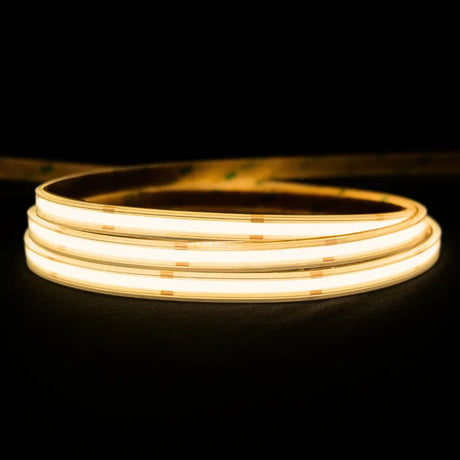
Warm White 3000K COB LED Strip 24V 480LEDs/m IP67 Waterproof 20m Run
SKU: COBWW24V-20M-IP67From £14.85Unit price /Unavailable
Warm White 2700K Neon Flex 24V 6x12mm IP67 1cm Cut 15m
SKU: NF24-0612-27K-C10From £23.15Unit price /Unavailable
Warm White 3000K Neon Flex 24V 6x12mm IP67 1cm Cut 15m
SKU: NF24-0612-30K-C10From £24.03Unit price /Unavailable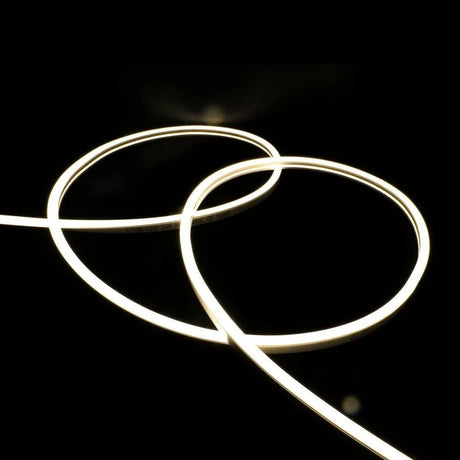
Natural White 4000K 24V 6x12mm IP67 1cm Cut 15m
SKU: NF24-0612-40K-C10From £23.15Unit price /Unavailable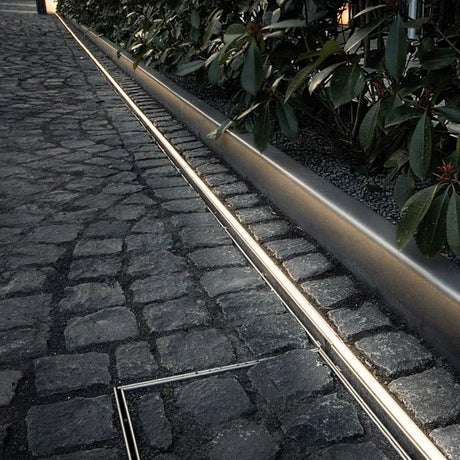


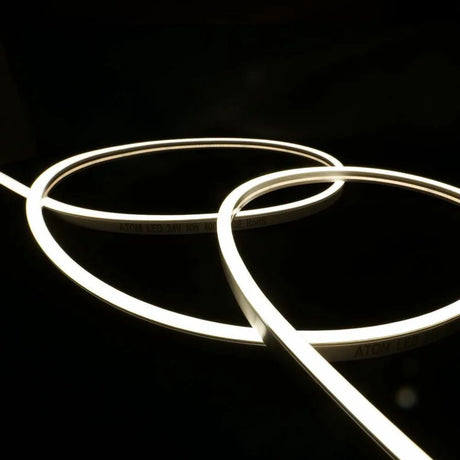
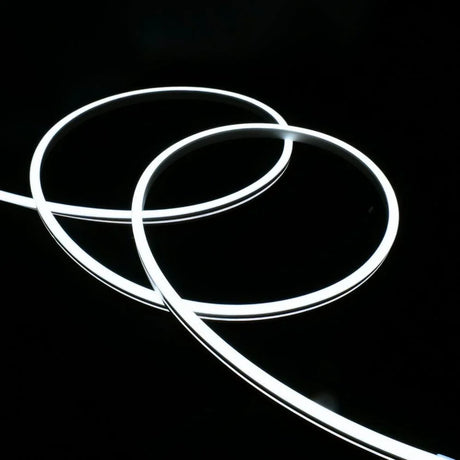
MaxiFlex White 24V 6x12mm Ip67 1cm Cut 15m
SKU: MX24-0612-27K-C10From £23.15Unit price /Unavailable
Warm White Neon Flex 2800K 24V 10x20mm IP68 Waterproof 20m
SKU: NFWWIP6824V-1020From £25.75Unit price /Unavailable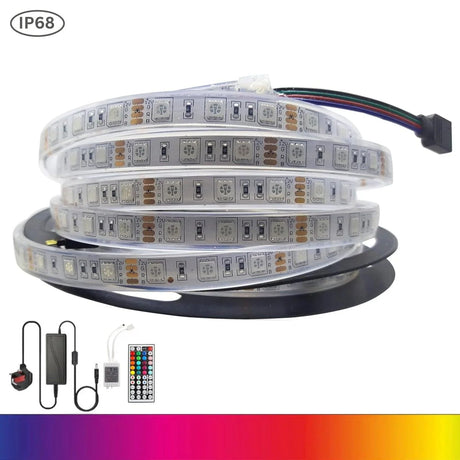
RGB LED Strip 12V 60LEDs/m IP68 Fully Waterproof Dimmable 5 Metre Kit
SKU: ALRGBIP6812VK£65.85Unit price /Unavailable
Digital Pixel RGB Neon Flex Addressable 24V 10x20mm IP68 Waterproof WS2811
SKU: ALNFDRGB24V1020-IP68From £39.95Unit price /Unavailable
Extra Long Warm White Neon Flex 48V 10x20mm IP68 Waterproof 50m
SKU: NFWWIP6848V-1020From £25.95Unit price /Unavailable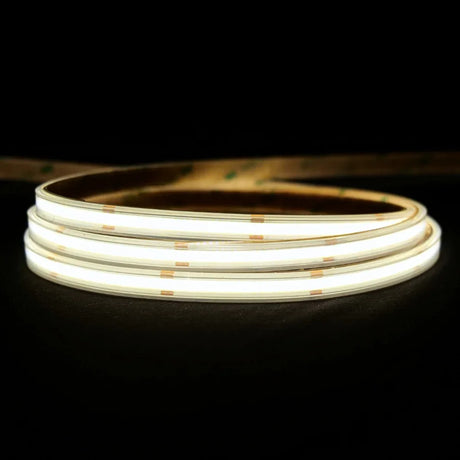
Natural White 4000K COB LED Strip 24V 480LEDs/m IP67 Waterproof 20m Run
SKU: COBNW24V-20M-IP67From £14.85Unit price /Unavailable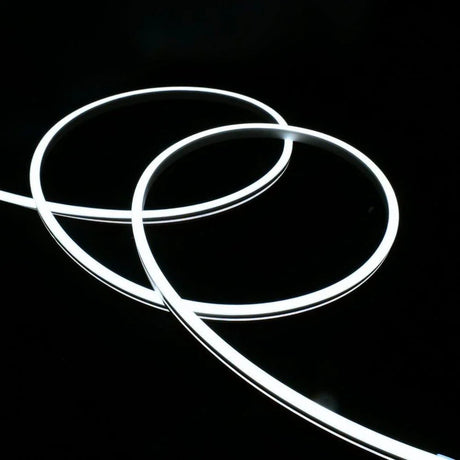
Cool White 6000K Neon Flex 24V 6x12mm IP67 1cm Cut 15m
SKU: NF24-0612-60K-C10From £23.15Unit price /Unavailable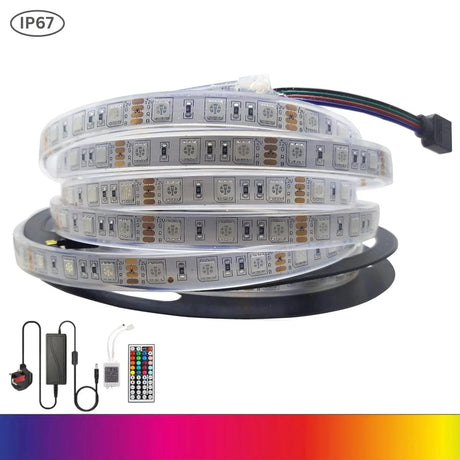
RGB LED Strip 12V 5050 IP67 Waterproof 60LED/m For Outdoor Use 5 Metre Kit
SKU: ALRGBIP6712V£45.90Unit price /Unavailable
Warm White Neon Flex 2800K 24V 10x20mm IP67 Waterproof 20m
SKU: NFWW24VIP67-1020From £23.45Unit price /Unavailable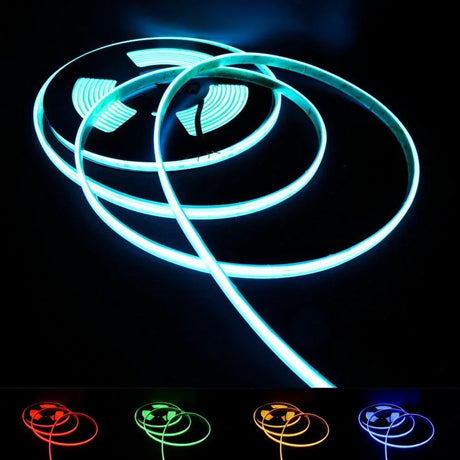
RGB COB LED Strip 24V IP67 Waterproof 840 LEDs/m 5cm Cut
SKU: RGBCOB24V-IP67From £19.85Unit price /Unavailable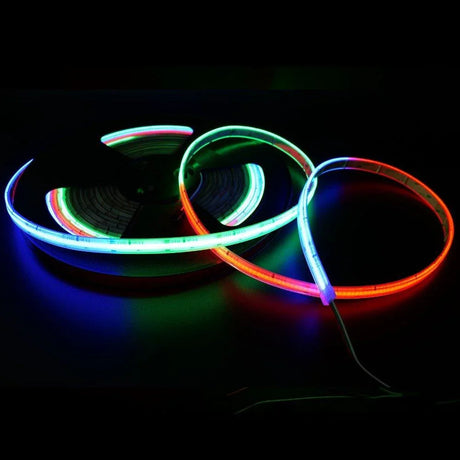
Addressable Digital Pixel RGB COB Strip 24V IP68 Waterproof 720 LEDs/m WS2811
SKU: DPCOBRGB10M24V-IP68From £117.50Unit price /Unavailable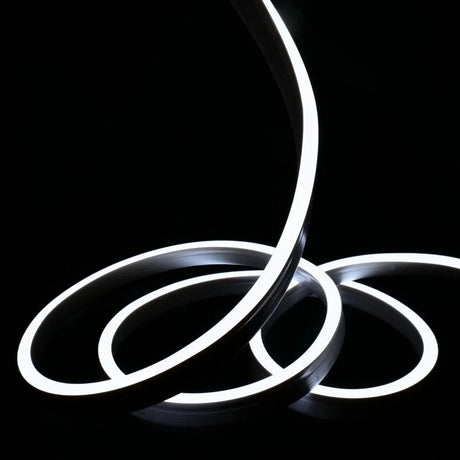
Ultra Long Cool White LED Neon Flex 48V 10x20mm IP68 Waterproof 50m
SKU: NFCWIP6848V-1020From £25.95Unit price /Unavailable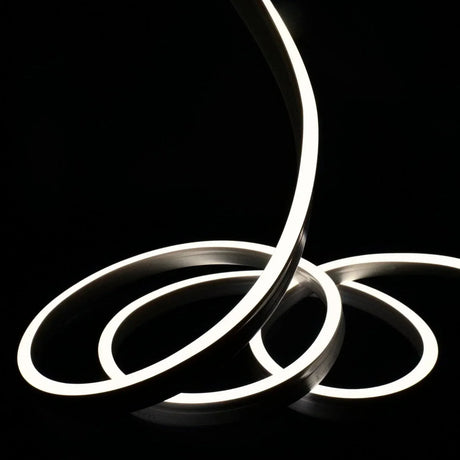
Ultra Long Natural White Neon Flex 48V 10x20mm IP68 Waterproof 50m
SKU: NFNWIP6848V-1020From £25.95Unit price /Unavailable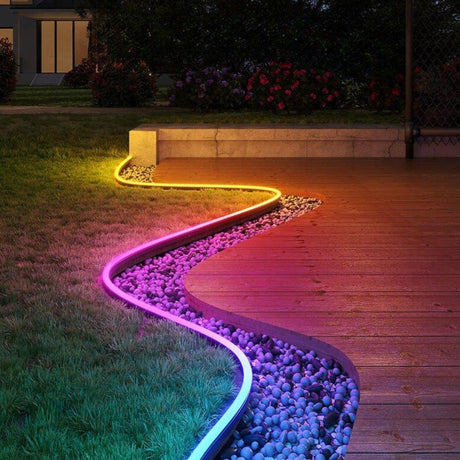
Outdoor RGB Flexible Lights for Patio & Driveway 48V IP68 30m
SKU: NFRGB48VIP68-1020From £37.95Unit price /Unavailable
Warm White Neon Flex 2800K 48V 10x20mm IP67 Waterproof 50m
SKU: NFWWIP67-102048VFrom £23.85Unit price /Unavailable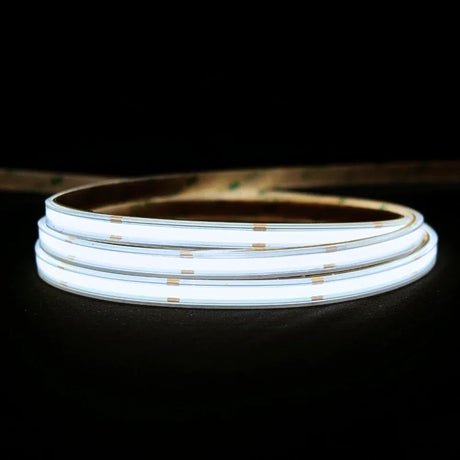
Cool White 6000K COB LED Strip 24V 480LEDs/m IP67 Waterproof 20m Run
SKU: COBCW24V-20M-IP67From £14.85Unit price /Unavailable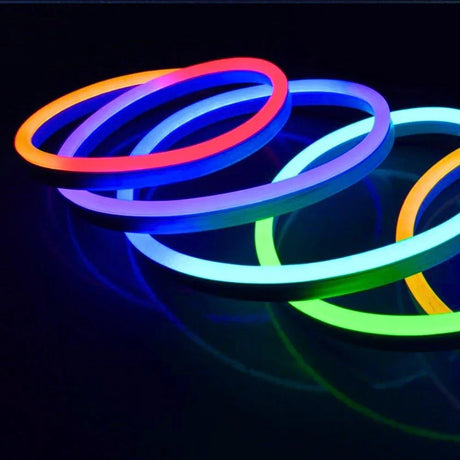
RGB Neon Flex 24V 10x20mm IP68 Waterproof 12.5cm Cut
SKU: NFRGB24VIP681020From £38.75Unit price /Unavailable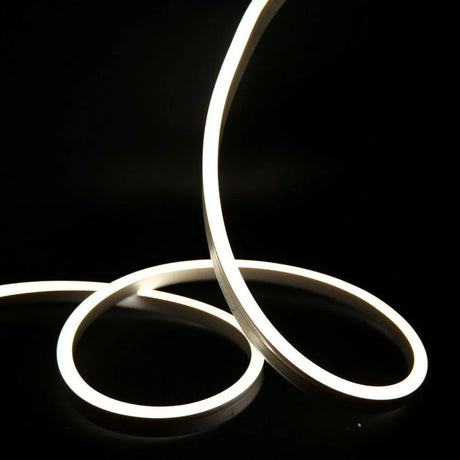
Natural White LED Neon Flex 4000K 24V 10x20mm IP68 Waterproof 12.5cm Cut
SKU: NFNW4KIP6824V1020From £25.75Unit price /Unavailable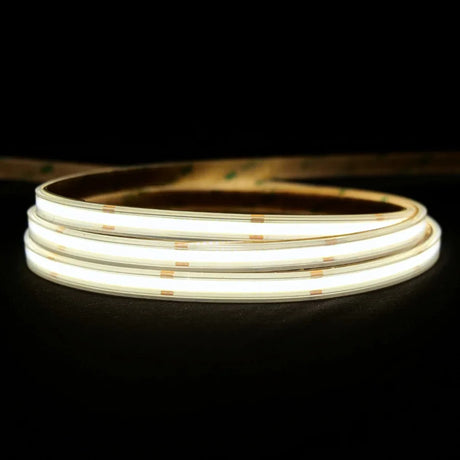
Natural White 4000K COB LED Strip 48V 480LEDs/m IP67 Waterproof 30m Run
SKU: COBNW48V-30M-IP67From £16.45Unit price /Unavailable


MaxiFlex LED Neon Flex For Decking and Driveway 8x16mm IP67 48V 10cm Cut 40m
SKU: NF48-0816-27KFrom £24.55Unit price /Unavailable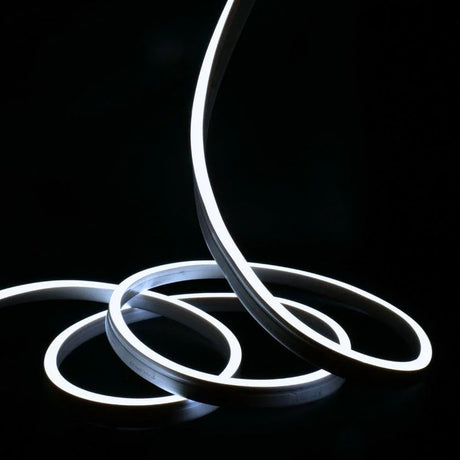
Cool White Neon Flex 6000K 24V 10x20mm IP67 Waterproof 20m
SKU: NFCW24VIP67-1020From £23.45Unit price /Unavailable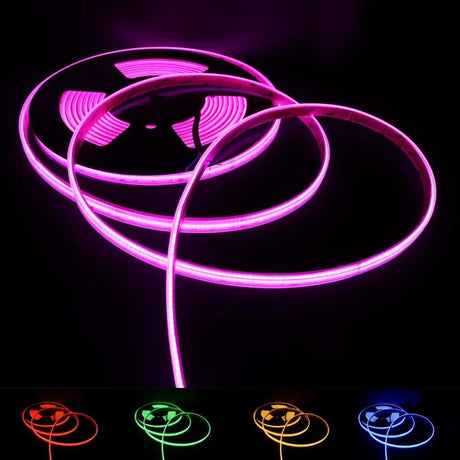
RGB COB LED Strip 24V IP68 Waterproof 840 LEDs/m 5cm Cut
SKU: RGBCOB24V-IP68From £21.24Unit price /Unavailable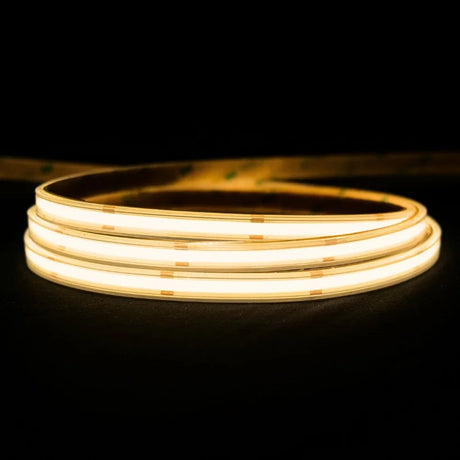
Warm White 3000K COB LED Strip 48V 480LEDs/m IP67 Waterproof 30m Run
SKU: COBWW48V-30M-IP67From £16.45Unit price /Unavailable
RGBW (3000K) LED Neon Flex 13x13mm IP67 Waterproof 48V 20 Metre
SKU: NFRGBWW-48V-20MFrom £31.95Unit price /Unavailable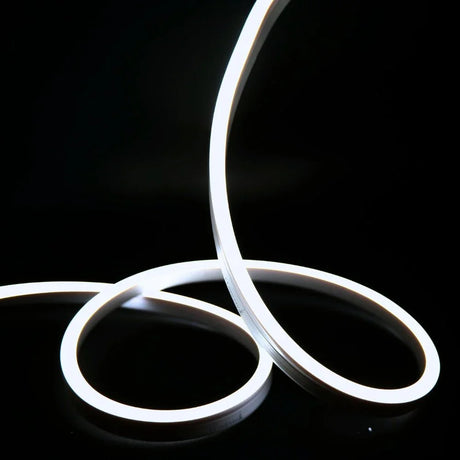
Cool White LED Neon Flex 6000K 24V 10x20mm IP68 Waterproof 12.5cm Cut
SKU: NFCWIP6824V-1020From £25.75Unit price /Unavailable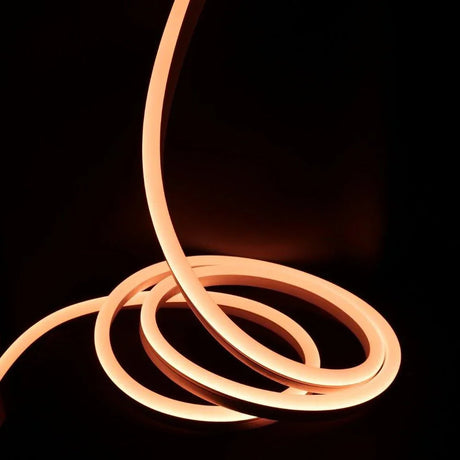
Ultra Long RGB Neon Flex 15x25mm 48V IP68 Waterproof 30 Metre
SKU: NFRGBIP6848V-1525ULFrom £39.85Unit price /Unavailable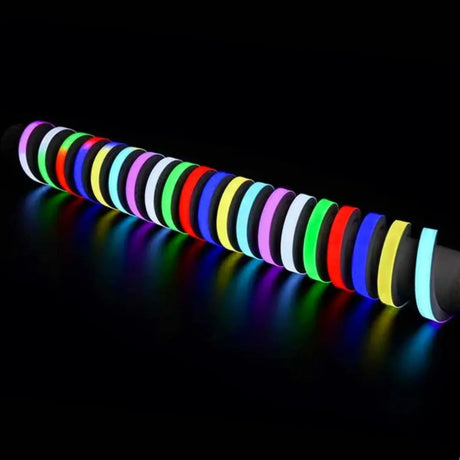
Ultra Long 18x16mm RGB Neon Flex 48V IP68 Top Bend Waterproof 30 Metre
SKU: NFRGBIP6848V-1816From £44.50Unit price /Unavailable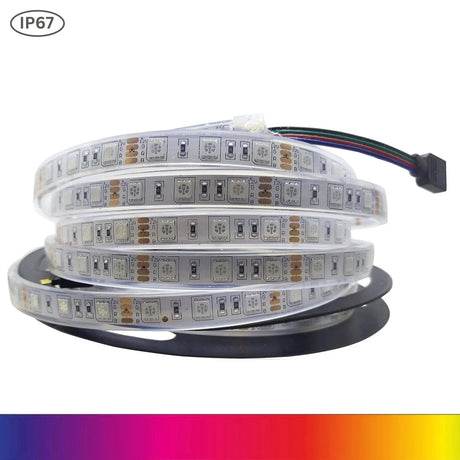
RGB LED Strip 12V 5050 IP67 Waterproof 60LED/m 5 Metre
SKU: SRGB12VIP675M£35.85Unit price /Unavailable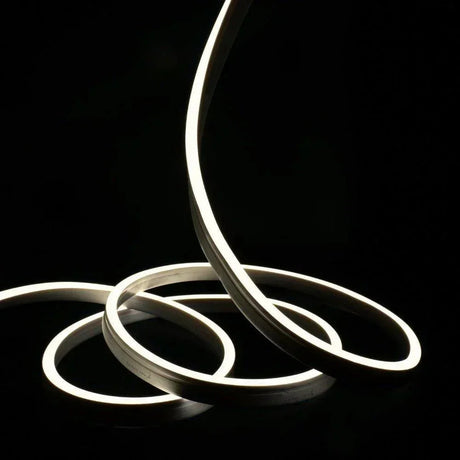
Natural White Neon Flex 4000K 48V 10x20mm IP67 Waterproof 50m
SKU: NFNWIP67-102048VFrom £23.85Unit price /Unavailable
Warm White Neon Flex 3000K 48V 8x16mm IP67 Waterproof 10cm Cut 40m
SKU: NF48-0816-30KFrom £25.48Unit price /Unavailable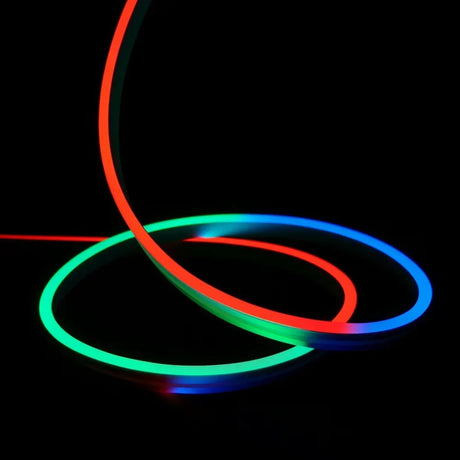
Ultra Long RGB Neon Flex 48V 10x20mm IP68 Waterproof 30 Metre
SKU: NFRGBIP6848V-1020From £39.85Unit price /Unavailable-
Cool White 6000K COB LED Strip 48V 480LEDs/m IP67 Waterproof 30m Run
SKU: COBCW48V-30M-IP67From £16.45Unit price /Unavailable 
Natural White Neon Flex 4000K 24V 10x20mm IP67 Waterproof 12.5cm Cut
SKU: NFNW24VIP67-1020From £23.45Unit price /Unavailable
Outdoor LED Strip Warm White 3000K 24V 8x16mm IP67 1cm Cut 15m
SKU: OUT24-0816-30K-C10From £24.23Unit price /Unavailable
Outdoor LED Strip Natural White 4000K 24V 8x16mm IP67 1cm Cut 15m
SKU: OUT24-0816-40K-C10From £23.35Unit price /Unavailable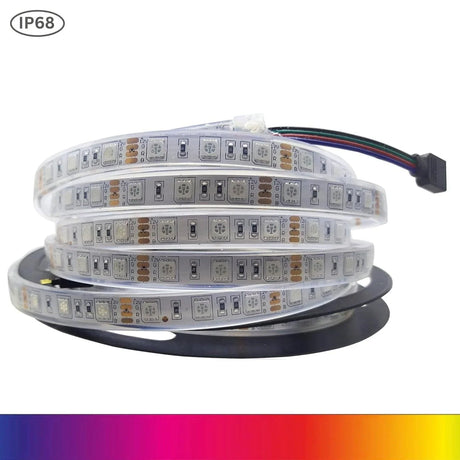
RGB LED Strip 12V 5050 IP68 Waterproof 60LED/m 5 Metre
SKU: SRGB12VIP685M£43.85Unit price /Unavailable
Warm White Neon Flex 3000K 48V 10x10mm Side Bend IP67 Waterproof 25m
SKU: NF48-HB1010-30KFrom £24.55Unit price /Unavailable
Warm White Neon Flex 2700K 48V 10x10mm Top Bend IP67 Waterproof 25m
SKU: NF48-VB1010-27KFrom £24.55Unit price /Unavailable
Outdoor LED Strip Warm White 3000K 48V 8x16mm IP67 10cm Cut 40m
SKU: NF48-0816-30KFrom £24.55Unit price /Unavailable
Outdoor LED Strip Warm White 3000K 24V 8x16mm IP67 5cm Cut 20m
SKU: OUT24-0816-30K-C50From £23.85Unit price /Unavailable
Cool White Neon Flex 6000K 24V 6x12mm IP67 Waterproof 5cm Cut 20m
SKU: NF24-0612-60K-C50From £23.30Unit price /Unavailable-
Extra Long RGB Neon Flex 48V 10x20mm IP67 Waterproof 30 Metre
SKU: NFRGBIP6848V-1020From £35.85Unit price /Unavailable 
Extra Long Warm White Neon Flex 48V 10x20mm IP68 Waterproof 50m
SKU: NFWWIP6848V-1020From £25.95Unit price /Unavailable
Outdoor LED Strip Warm White 2700K 48V 8x16mm IP67 10cm Cut 40m
SKU: NF48-0816-27KFrom £24.55Unit price /Unavailable
Outdoor LED Strip Cool White 6000K 24V 8x16mm IP67 5cm Cut 20m
SKU: OUT24-0816-60K-C50From £23.85Unit price /Unavailable


MaxiFlex Extra Long White 8x16mm IP67 48V 10cm Cut 40m
SKU: NF48-0816-27KFrom £24.55Unit price /Unavailable


Frequently Asked Questions
What IP rating do I need for garden LED strips?
For general garden use, IP65 strips handle rain and hose splashes perfectly. Choose IP68 for areas prone to flooding, water features, or ground-level installations. Our IP68 strips can be fully submerged up to 1 metre—ideal for pond edges and fountain lighting.
Will LED strips stick to outdoor surfaces like brick and wood?
Our outdoor strips include weather-resistant adhesive, but we recommend our stainless steel mounting clips for brick, rough wood, and metal surfaces. These clips provide secure fixing points every 50cm and won't rust or corrode in UK weather conditions.
Should I choose 12V mains or solar-powered garden strips?
12V mains strips offer consistent brightness and unlimited runtime—perfect for daily-use areas like patios and pathways. Solar strips are ideal for occasional lighting, remote areas, or eco-conscious installations where trenching cables isn't practical.
How long can I run garden LED strips without voltage drop?
Our 12V strips maintain full brightness for up to 5 metres from the transformer. For longer runs, use our power injection cables every 5 metres or upgrade to 24V strips which can run 10 metres without dimming. We provide voltage drop calculators with every kit.
Can garden LED strips survive UK winters?
Absolutely! Our strips are rated for -20°C to +60°C operation with UV-stabilized housings that won't crack or fade. The silicone coating remains flexible in frost, and our transformers include thermal protection for year-round reliability.
How do I connect multiple garden strip sections safely?
Use our IP68 waterproof connectors that create completely sealed joints. These twist-lock connectors prevent moisture ingress and can be buried or submerged. For surface installations, our weatherproof junction boxes provide neat, accessible connection points.
What's the best way to hide garden LED strip cables?
Bury low-voltage cables 300mm deep in protective conduit, or use our cable covers for surface mounting along fence bases and wall edges. Solar strips eliminate cables entirely—perfect for rental properties or avoiding garden excavation.
How bright should garden pathway LED strips be?
For safe pathway navigation, aim for 100-200 lumens per metre in warm white (3000K). This provides sufficient visibility without creating harsh glare or disturbing neighbors. Our strips include dimming options for adjusting brightness seasonally.
Can I control garden LED strips automatically?
Yes! Our outdoor controllers include dusk-to-dawn sensors, timers, and smartphone app control. Set automatic on/off schedules, adjust brightness remotely, or sync with sunset/sunrise times for effortless garden illumination management.
Do garden LED strips attract insects more than other lighting?
Actually, LED strips attract fewer insects than traditional garden lighting because they emit minimal UV and heat. Warm white LEDs (2700-3000K) are particularly insect-friendly compared to cool white or blue-tinted options.
How do I calculate the right transformer size for my garden?
Multiply your total strip length by the watts per metre (usually 4.8-14.4W/m), then add 20% safety margin. A 5-metre run of 9.6W/m strips needs a 60W transformer minimum. Our kits include pre-matched transformers, or use our online calculator for custom installations.
Can I install garden LED strips myself or do I need an electrician?
12V garden strips are DIY-friendly—just connect to our plug-in transformers. For mains wiring or permanent installations, we recommend a qualified electrician. Solar strips require no electrical work at all, just mounting and positioning the solar panel.