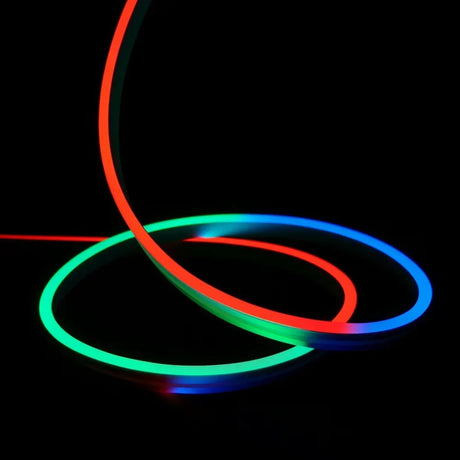
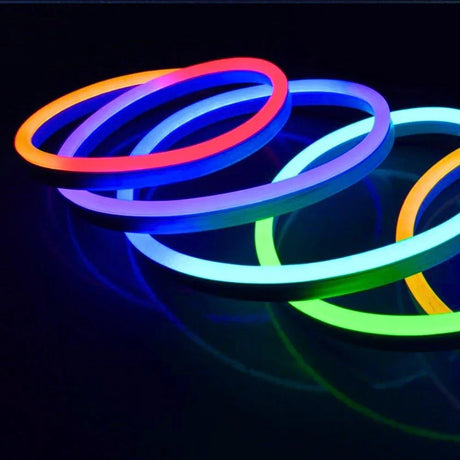
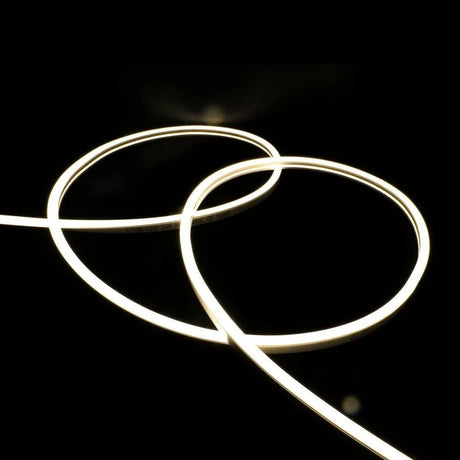
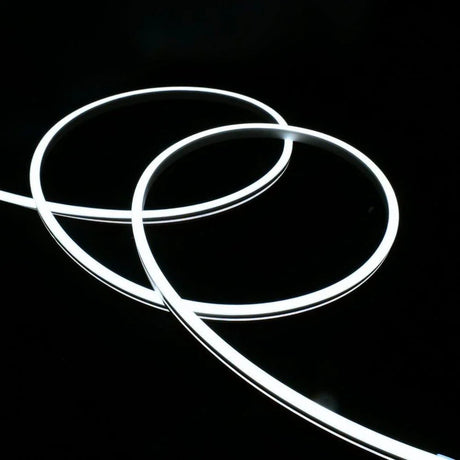
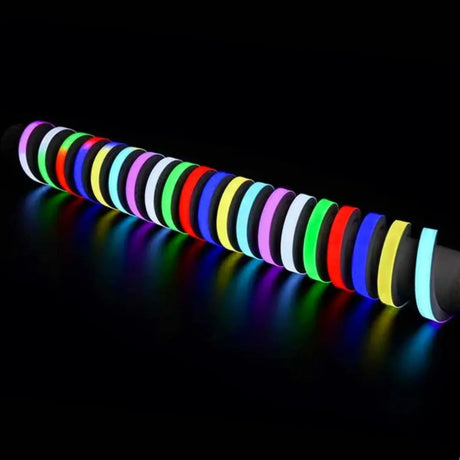
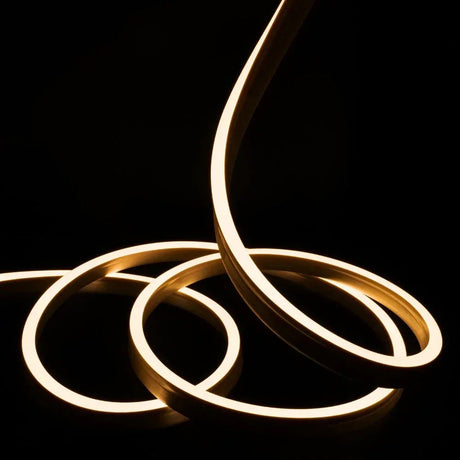
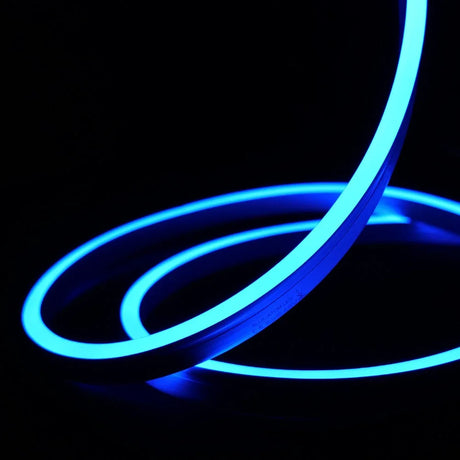
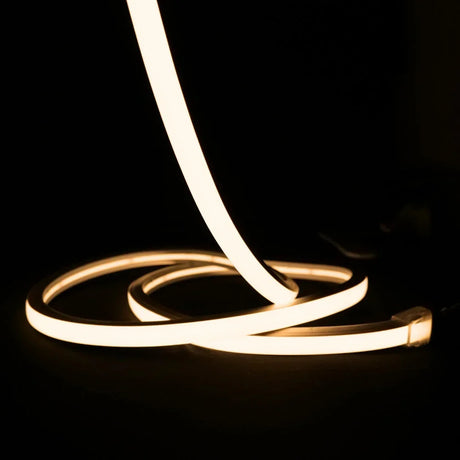
Your deck or driveway deserves lighting that survives every British winter — not a product that fails after one frost cycle. Choosing the right LED decking lights means matching IP rating, mounting method, and voltage to your surface, whether composite boards, timber, or a resin-bound driveway.
UK LED Lights stocks 32 LED decking and driveway lighting products for 2026, including recessed deck lights, side-emitting neon flex for edges and steps, IP67 and IP68 rated options, and ground-rated aluminium profiles for driveways. Every product ships from Telford with free UK delivery — call 01952 370008 for technical advice.
IP67 & IP68 · Recessed & Surface Mount · Neon Flex · Warm White 2700K · 24V & 48V · Composite & Timber Compatible · Aluminium Profiles · CRI90+ · Free UK Delivery
Quick decision guide
-
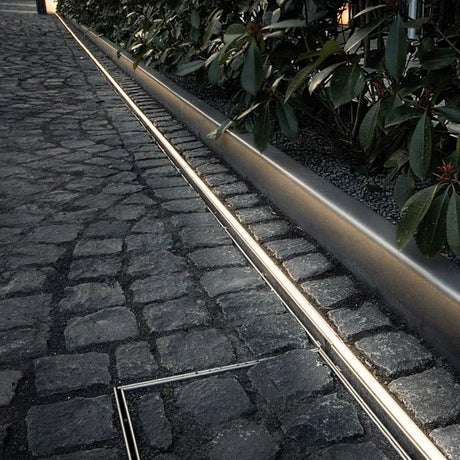
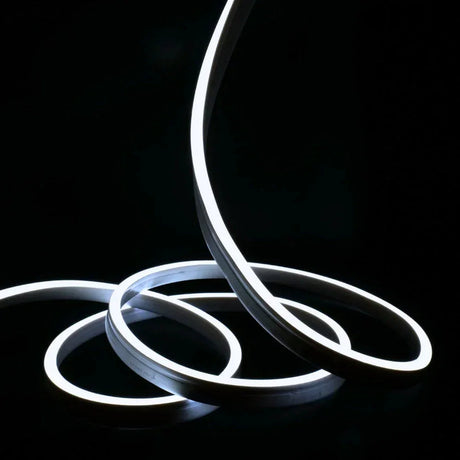
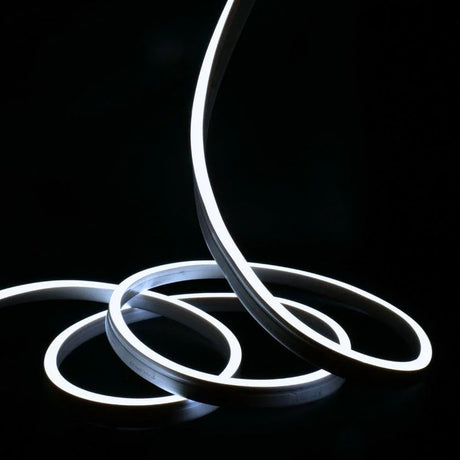
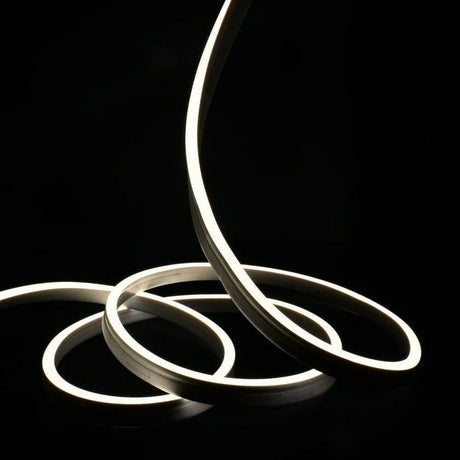
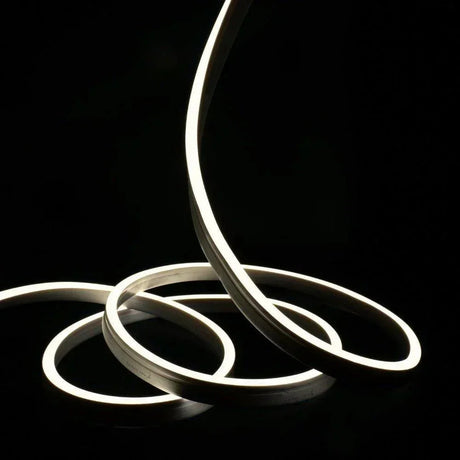
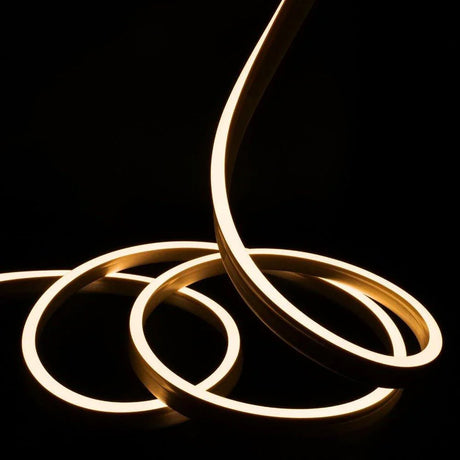
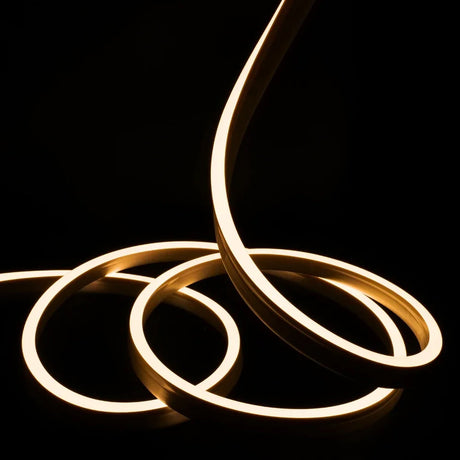
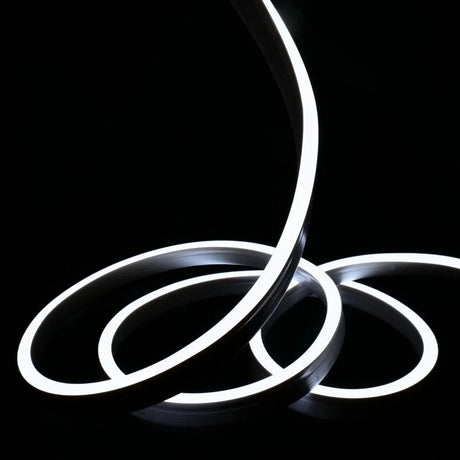
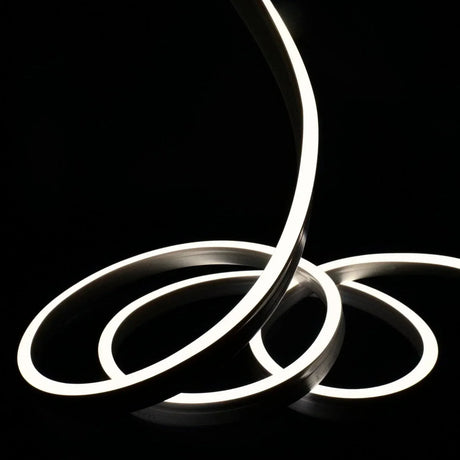
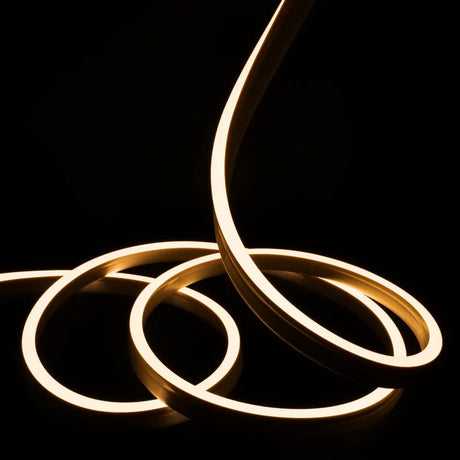
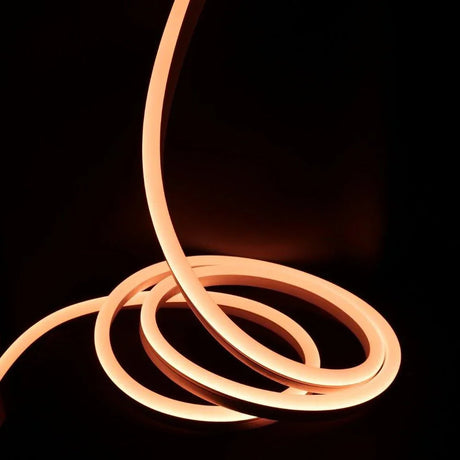
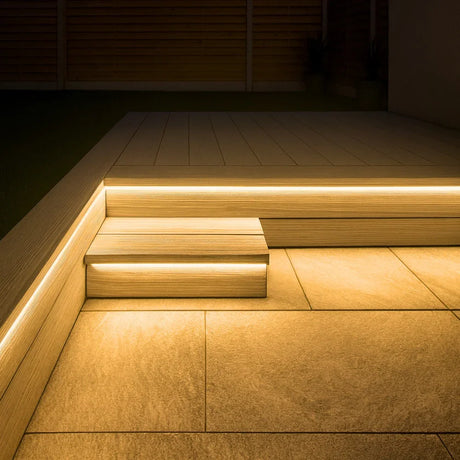
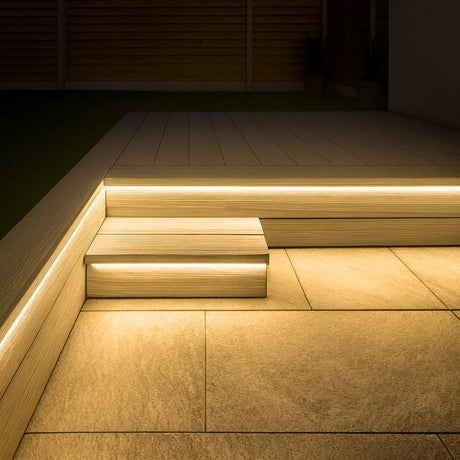
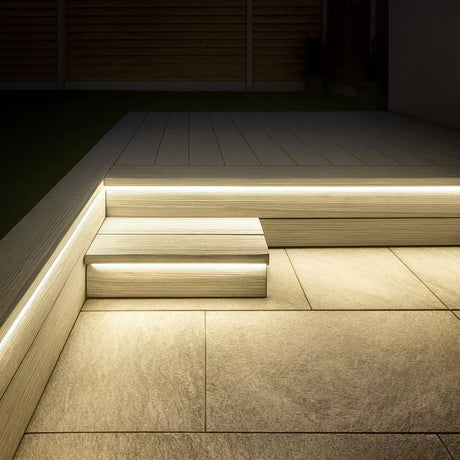
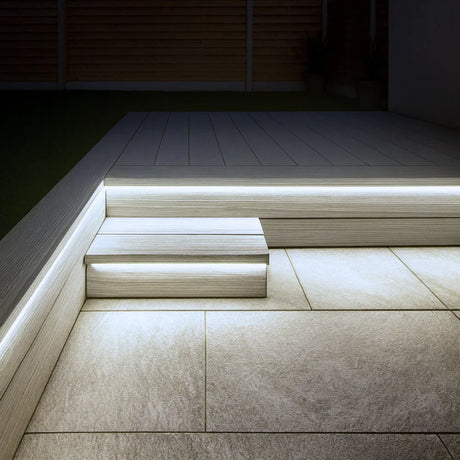
Timber or composite deck — ambient lighting: IP67 warm white 2700K neon flex recessed into a channel along the deck edge — the cleanest finish for residential projects in 2026.
-
Deck steps and risers: Side-emitting IP67 neon flex in a slim aluminium channel — lights each step without glare.
-
Long perimeter over 15 metres: 48V neon flex or strip — voltage drop occurs at half the rate of 24V, keeping brightness even end to end.
-
Driveway border at ground level: IP68 rated lighting — handles standing water, de-icing salt, and tyre runoff that IP67 will not survive long term.
-
Flush-mount in deck boards: LED strip inside a recessed aluminium profile routed into the board — completely flush, protected from foot traffic.
-
Not sure? Call 01952 370008 — we will recommend the right product for your deck or driveway.
Who are LED decking and driveway lights for?
-
Homeowners upgrading a deck, patio step, or driveway with permanent low-voltage lighting.
-
Deck builders and landscapers specifying integrated lighting into new-build composite or timber decking.
-
Electrical contractors fitting BS7671-compliant exterior low-voltage circuits.
-
Commercial property managers lighting car parks, entrance paths, and outdoor dining decks.
Who are they NOT for?
-
Temporary lighting — solar stake lights or battery lanterns suit short-term use where no permanent wiring exists.
-
High-output security floodlighting — decking lights provide ambient and wayfinding illumination, not 3,000+ lumen security output.
-
Indoor-only projects — IP20 strip in a profile costs less and performs identically indoors. Browse our LED strip lights range.
Five buying mistakes that ruin decking and driveway lighting
-
Using IP65 at ground level or on deck edges. IP65 covers surface splash only — IP67 minimum for decking, IP68 for driveways where water pools.
-
Mounting strip directly to bare metal fixings. Bare metal contact without insulation causes short circuits. Always mount inside an aluminium profile with electrical isolation from the deck structure.
-
Powering strip or neon flex while still coiled. Coiled lighting cannot dissipate heat — adhesive fails, LEDs overheat, fire risk. Uncoil and mount before powering.
-
Running 24V across a full perimeter over 15 metres without parallel wiring. Voltage drop dims the far end. Use 48V or wire in parallel from a central driver.
-
Ignoring deck board material. Composite routes cleanly for recessed channels. Timber swells seasonally — surface-mount clips handle movement better than rigid adhesive.
Jump to a section
- What types of LED decking lights work best?
- What IP rating do deck and driveway lights need?
- Should I choose 24V or 48V for decking?
- How do I install LED lights in decking boards?
- What colour temperature suits decks and driveways?
- How does composite differ from timber for LED installation?
- What LED driveway lights work at ground level?
- How do I dim LED decking lights?
- Why buy from UK LED Lights?
What types of LED decking lights work best?
The three most effective LED decking light types are recessed deck board luminaires for perimeter marking, side-emitting neon flex for continuous edge and step lighting, and LED strip inside weatherproof aluminium profiles for maximum brightness and colour flexibility. Most 2026 installations combine two types for a layered effect.
-
Recessed deck lights: Circular or square luminaires flush into the board — discrete pools of light for pathways and step edges. IP67, warm white 2700K.
-
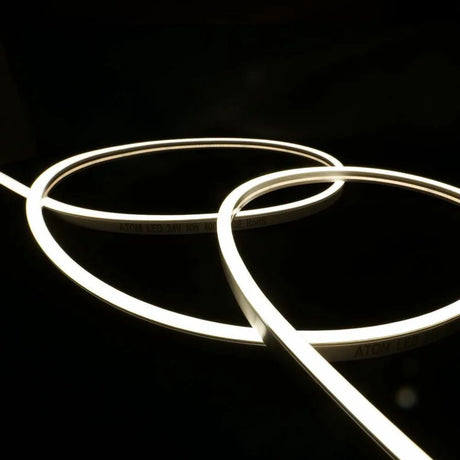
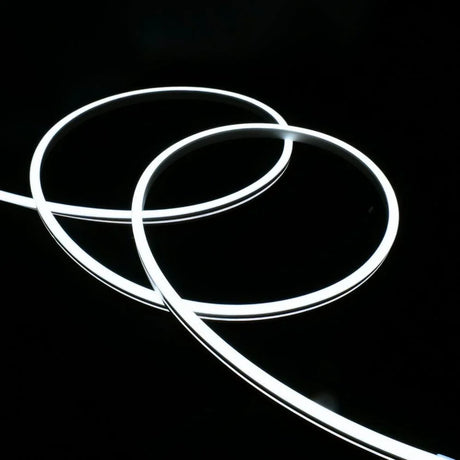
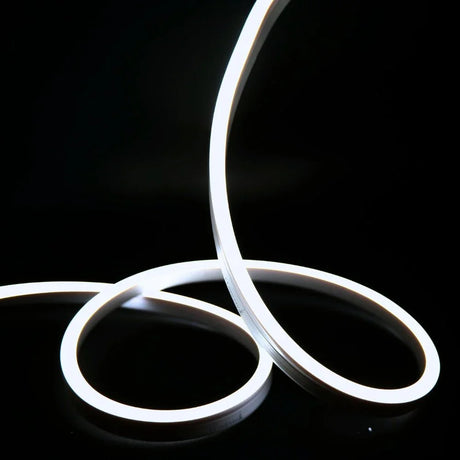
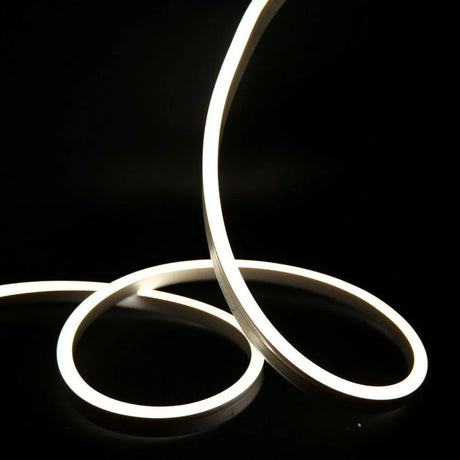
Side-emitting neon flex: Continuous light line along a deck edge or step nosing with no visible LED dots — a clear visual upgrade over exposed strip.
-
LED strip in recessed profiles: Routed into the board for a flush finish with full diffusion. Works well on composite where routing is clean. Supports RGB and RGBW.
| Type |
Best for |
IP rating |
Visible dots |
Complexity |
| Recessed deck light |
Perimeter spots, pathways |
IP67 |
No — lens |
Low — drill and fit |
| Side-emitting neon flex |
Deck edge, step nosing |
IP67 |
No — diffuser |
Medium — channel |
| Strip in recessed profile |
Full perimeter, feature boards |
IP67+ |
No — diffuser |
Medium — routing |
| Surface-mount profile |
Under handrail, bench seating |
IP67 |
No — diffuser |
Low — clip and screw |
What IP rating do deck and driveway LED lights need in the UK?
LED decking lights require IP67 minimum for any permanent UK exterior installation. Driveway ground-level lights require IP68, because driveways accumulate standing water, de-icing salt, and vehicle runoff exceeding IP67 protection. IP65 covers surface splash only and fails within months in British weather.
-
IP67 — decking surfaces, steps, raised edges: Temporary immersion rated. Handles sustained rainfall, frost-thaw cycling, and deck-level splash. Correct for most residential decking in 2026.
-
IP68 — driveway ground level, sunken channels: Continuous submersion rated. Required where lighting sits at or below the surface where water pools.
-
IP65 — not recommended: Surface-splash only. Does not meet UK outdoor demands.
Call 01952 370008 to confirm the correct IP rating for your specific installation before ordering.
Should I choose 24V or 48V for decking LED lighting?
For residential decking under 15 metres, 24V is practical and cost-effective. For larger perimeters exceeding 15 metres, 48V keeps brightness consistent — voltage drop occurs at half the rate of 24V at the same wattage over the same distance.
| Factor |
24V |
48V |
| Max practical single run |
Approximately 10–15m |
Approximately 20–30m |
| Voltage drop rate |
Standard |
Half of 24V at same wattage |
| Driver cost |
Lower, wider range |
Moderate, fewer options |
| Best for |
Small-medium decks |
Large perimeters, commercial |
| Safety |
Within SELV threshold (BS7671) |
Within SELV threshold (BS7671)* |
*48V DC falls within the SELV voltage threshold under BS7671 (120V DC ripple-free maximum), provided it is supplied from a suitably isolated, safety-rated driver. SELV is a system classification — not just a voltage number.
Browse our LED driver range for compatible 24V and 48V outdoor-rated options.
How do I install LED lights in decking boards?
Installing LED decking lights follows five core steps: plan the layout, prepare the boards with channels or drill points, mount the lights, wire in parallel to an IP-rated driver, and seal every connection. The method varies by light type, but wiring principles remain the same.
-
Plan the layout on paper. Mark every light position, cable route, and driver location. Measure total run length to confirm 24V or 48V. Allow minimum 10 percent spare driver capacity.
-
Prepare boards before fitting. Hole saw for recessed lights. For strip or neon flex, route a channel at profile depth. Composite routes cleanly — timber needs a slower feed. Complete routing before boards are fixed on new builds.
-
Mount securely. Press recessed lights into holes with retention clips. Fix profiles with stainless steel screws at 300mm intervals — zinc-plated screws corrode within one season outdoors.
-
Wire in parallel. Each run receives equal voltage, preventing the dimming that series wiring causes. Route cables through the subframe with UV-resistant clips.
-
Seal every connection and cut end. IP67-rated waterproof connectors at junctions. Silicone end caps and neutral-cure sealant on cut ends. Driver in an IP66+ enclosure or mounted indoors.
-
Test before final assembly. Check brightness, colour, and connections before fixing final boards — testing after assembly means lifting boards to find faults.
Need help planning the wiring layout? Call 01952 370008 with your deck dimensions.
What colour temperature suits decks and driveways?
Warm white 2700K is the best choice for residential decking — it produces a relaxed, amber-toned light that complements timber and composite finishes. For driveways where visibility matters more than ambience, 4000K natural white provides clearer definition without cool-white harshness.
-
2700K warm white: The default for residential decks in 2026 — entertaining areas, step lighting. Pairs well with grey composite and warm-toned timber.
-
3000K warm white: Commercial hospitality decks where food presentation and table visibility matter alongside atmosphere.
-
4000K natural white: Driveways, parking areas, access paths. Helps drivers see edges and obstacles clearly.
-
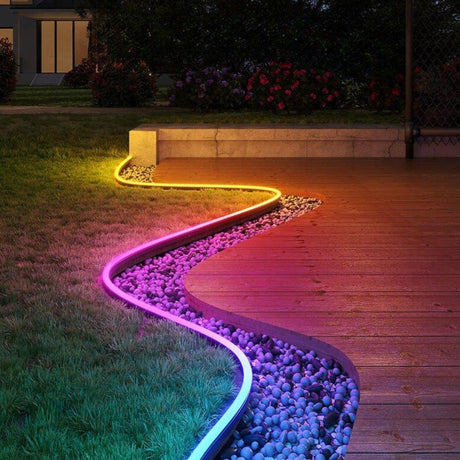
RGBW: Decorative features and entertaining zones. Pair with a dedicated RGB controller. RGBW produces clean white that RGB alone cannot — RGB without the white channel gives a cold, violet-tinged white.
How does composite differ from timber for LED installation?
Composite decking provides a more stable base for LED installation — it does not split when routed, does not swell seasonally, and holds recessed profiles at consistent depth year-round. Timber requires extra consideration for seasonal movement of 2–4mm across the board width, moisture absorption, and splitting risk around drilled sections.
-
Composite — ideal for recessed profiles: The most popular UK decking material in 2026. Routes cleanly, stays dimensionally stable year-round. Use stainless steel composite-specific screws.
-
Timber — surface mount often more practical: Softwood expands and contracts seasonally. Flexible mounting clips accommodate movement better than rigid press-fit channels. Hardwood needs pre-drilling to prevent splitting.
-
Joist-level mounting — works with both: Mount to the joist below the deck surface for a soft glow between board gaps, avoiding routing entirely.
What LED driveway lights work at ground level?
Ground-level LED driveway lights require IP68 minimum, a drive-over-rated housing, and UV-stable construction that withstands de-icing salt, tyre runoff, and standing water. The two most effective options in 2026 are IP68 neon flex in a ground-rated channel and recessed drive-over units with tempered glass lenses.
-
IP68 neon flex in ground-rated channel: Flush with the surface behind a polycarbonate diffuser. Continuous border line guides vehicles after dark.
-
Recessed drive-over units: Individual luminaires flush into the surface. Must be load-rated — standard deck lights crack under vehicle weight.
-
Surface-mount border lights: Where recessing is impractical, IP67 low-profile units at the border provide a sideways wash — easier to retrofit.
Email sales@ukledlights.co.uk with your driveway dimensions and surface type for a tailored recommendation.
How do I dim LED decking lights?
Single-colour LED decking lights dim through a trailing-edge dimmer or PWM dimmer matched to the driver. RGB and RGBW decking lights require a dedicated controller paired with a non-dimmable constant-voltage driver — never a dimmable driver, which causes flicker, colour shift, and premature failure.
-
Single colour: Trailing-edge dimmers work with most LED drivers and cost approximately £15. Leading-edge dimmers cause flicker — avoid.
-
RGB and RGBW: Dedicated controller handles colour mixing and brightness. Driver must be non-dimmable constant voltage. Browse our LED controller range.
-
Smart scheduling: WiFi controllers allow dimming via app, Alexa, or Google Home — dim decking after midnight, brighten driveways on arrival.
Why buy LED decking and driveway lights from UK LED Lights?
UK LED Lights is a specialist LED supplier in Telford, Shropshire, stocking the full decking and driveway range from our UK warehouse with free delivery, technical support that understands British outdoor conditions, and 32 products covering every component for a complete installation.
-
UK stock, same-day dispatch: Ships from Telford — no overseas drop-shipping.
-
Real technical support: Call 01952 370008 Monday to Friday, 9am–5pm. We calculate driver wattage, confirm IP ratings, and advise wiring layouts. Email sales@ukledlights.co.uk with dimensions for a recommendation.
-
Products matched to UK conditions: Our outdoor range starts at IP67 because we know what survives a British winter — recommendations based on real installation feedback.
-
Complete range: Recessed lights, neon flex, profiles, IP68 options, drivers, controllers, connectors — one supplier, one delivery.
-
Decking and driveway lighting is a year-round installation for us — our IP68 range handles foot traffic, power washing, and freeze-thaw without failure.
-
We advise on material compatibility — composite decking, timber, and stone all require different fixing methods and cable routing.
Recommended setup for a 10-metre composite deck perimeter installation
-
Lighting: IP67 neon flex warm white 2700K, 24V — continuous glow line along deck edges and steps
-
Driver: 24V 150W constant voltage, IP67 rated or indoor-mounted (100W load + 20% headroom)
-
Mounting: Stainless steel neon flex clips at 250mm intervals — zinc-plated corrode within one season
-
Connections: All joints soldered and sealed with adhesive-lined heat shrink for IP67 integrity
-
Total cost guide: Approximately £8-12 per metre for neon flex + £30-45 for driver + £15-20 for clips and sealing
Deck layouts and driveway lengths differ on every project — driver wattage and IP rating will need adjusting to suit yours. Call 01952 370008 or email sales@ukledlights.co.uk for a free decking or driveway lighting specification.
What are the most common questions about LED decking and driveway lights?
Can I install LED decking lights myself or do I need an electrician?
-
Low-voltage decking lights (24V or 48V) can be installed by a competent DIY homeowner — the circuit operates at safe extra-low voltage.
-
The mains-to-driver connection must be completed by a qualified electrician — this is notifiable under Part P of the Building Regulations for outdoor circuits.
-
Practical approach: Buy and mount the lights yourself, then have an electrician connect and sign off the mains supply.
How many LED deck lights do I need?
-
Recessed perimeter lights: Space at 800mm–1,200mm intervals — closer for steps and level changes.
-
Neon flex or strip along an edge: One continuous run — calculate the total length in metres.
-
Call 01952 370008 with your deck dimensions for exact quantities and driver sizing.
Do LED decking lights get hot enough to damage boards?
-
No — low-voltage LEDs generate minimal heat compared to halogen alternatives that could scorch timber.
-
Aluminium profiles act as a heatsink, drawing heat away from the LED and the board surface.
-
Both composite and timber are safe with properly installed LED lighting within rated wattage limits.
Will LED driveway lights survive being driven over?
-
Only if rated for drive-over loading. Standard deck lights crack under vehicle weight.
-
Drive-over units use tempered glass and reinforced housings designed for specified vehicle loads.
-
Neon flex in a ground-rated channel works for driveway borders where vehicles do not cross directly over the light line.
What driver do I need for LED decking lights?
-
Match voltage: 24V lights need a 24V driver, 48V lights need a 48V driver.
-
Size up: Total wattage of all connected lights plus 10–20 percent headroom.
-
Outdoor placement: IP66 or IP67 rated driver, or indoor driver in a weatherproof enclosure. Browse our LED drivers.
Can I use RGB lights on my decking?
-
Yes — RGB and RGBW work well for decorative decking. Pair with a dedicated controller and non-dimmable constant-voltage driver.
-
Choose RGBW if you also want clean white. RGB alone produces a cold, violet-tinged white — RGBW's dedicated white chip solves this.
-
Never use a dimmable driver with RGB/RGBW — causes flicker, colour shift, and premature failure.
How long do LED decking lights last outdoors?
-
Rated for 50,000+ hours at L70 in 2026 product ranges — approximately 22 years at 6 hours nightly use.
-
The most common cause of early failure is moisture ingress through unsealed connections, not LED chip failure.
-
Seal every cut end and connection point during installation for maximum lifespan.
Is 48V safe for outdoor decking?
-
48V DC falls within the SELV voltage threshold under BS7671 (120V DC ripple-free maximum), provided it is supplied from a suitably isolated, safety-rated driver.
-
SELV means significantly reduced shock risk under dry conditions — not zero risk. It is a system classification requiring correct installation, not just a voltage number.
-
For most residential decking, 48V is a practical choice — contact 01952 370008 for driver selection guidance.
Can I use IP65 rated lights for decking?
-
No — IP65 is not suitable for permanent UK outdoor use. IP65 covers surface splashes only and does not withstand sustained rainfall, frost-thaw cycling, or standing water on deck surfaces.
-
IP67 minimum for all decking applications. IP68 for ground-level driveway installations where water pools.
-
Choosing IP65 to save cost results in failure within months — the most common specification error in decking lighting projects.
Can I control decking lights with Alexa or Google Home?
-
Yes — pair a WiFi controller with your strip or neon flex for voice control, app dimming, and scheduling through Alexa, Google Home, or Apple HomeKit.
-
The controller must be housed in a weatherproof IP66+ enclosure for outdoor mounting.
-
Scheduling is particularly useful for decking: Automate dusk-on, midnight-dim, dawn-off for hands-free operation.
What cable gauge do I need for decking LED runs?
-
0.75mm minimum for 24V runs under 10 metres. Step up to 1.0mm or 1.5mm for longer distances or higher-wattage products.
-
48V systems allow thinner cable at equivalent distances because current draw is halved compared to 24V at the same wattage.
-
Route cables through the subframe using UV-resistant clips. Protect exposed runs with conduit to prevent damage from foot traffic and furniture.
Can RGB strip produce clean white light for decking?
-
No — RGB strip cannot produce clean white. Mixing red, green, and blue channels produces a cold, violet-tinged white unsuitable for warm ambient decking lighting.
-
RGBW strip adds a dedicated white channel that produces true warm white alongside colour effects.
-
For decking that needs both colour and white, RGBW is the correct specification — one strip handles both modes.
How do I prevent flickering with dimmed decking lights?
-
Replace any leading-edge dimmer with a trailing-edge model. This costs approximately £15 and typically resolves the most common cause of LED flickering.
-
For RGB and RGBW decking lights, dimming is handled by the dedicated controller. The driver must be non-dimmable constant voltage.
-
Never use a dimmable driver with RGB or RGBW products — it causes flicker, colour shift, and premature failure.
Can I mount LED lights directly on bare metal deck fixings?
-
Never mount LED strip directly on bare, uninsulated metal. Steel brackets, metal joist hangers, and galvanised fixings are conductive — direct contact risks short circuits.
-
Always mount inside an aluminium profile which provides the insulating barrier between strip and metal.
-
Neon flex provides additional insulation through its thicker silicone body, making it more practical for metal structures.
Should I power decking lights while they are still coiled?
-
Never power strip or neon flex while coiled on the reel. Heat cannot escape — adhesive softens, LEDs degrade, and fire risk increases.
-
Always uncoil and mount fully before connecting power. This applies to all voltages and IP ratings.
How long do LED decking lights take to install?
-
A typical 10-metre perimeter installation takes 3–5 hours including profile mounting, strip fitting, and wiring.
-
New-build decking is faster: Route channels and lay cables before boards are fixed.
-
Retrofit installations add time for lifting boards, routing channels, and working around existing structures.
Does UK LED Lights offer free delivery on decking lights?
-
Yes — free UK mainland delivery on every order. No minimum spend required.
-
All 32 products ship from our Telford warehouse — Unit D4, Stafford Park 4, TF3 3BA. No overseas drop-shipping.
-
For project advice, call 01952 370008 Monday to Friday, 9am–5pm, or email sales@ukledlights.co.uk with your deck dimensions.
What warranty covers LED decking and driveway products?
-
Warranty covers manufacturing defects on all decking and driveway lighting products in the UK LED Lights 2026 range.
-
Warranty does not cover: Damage from incorrect installation, use of indoor-rated connectors outdoors, unsealed cut ends, or use of IP65 in exposed outdoor conditions.
-
Contact: Call 01952 370008 or email sales@ukledlights.co.uk. UK LED Lights Ltd, Company No: 12301805.
How much does it cost to run LED decking lights?
- A typical 10-metre neon flex perimeter at 10W/m draws 100 watts.
-
Running 6 hours per evening costs approximately £0.80–£1.10 per month at 2026 UK electricity rates.
-
LED decking lights use approximately 80 percent less energy than halogen equivalents for comparable light output.
Can I retrofit LED lights into an existing deck?
-
Yes — surface-mount profiles and neon flex clips allow installation without lifting boards. Mount along the underside of handrails, on fascia boards, or along step risers.
-
For recessed lighting, boards must be lifted or routed. Composite decking routes cleanly; timber may need slower feed to avoid splitting.
-
Route low-voltage cables through the subframe — accessible from below on most elevated decking structures.
Last reviewed: March 2026 — UK LED Lights technical team, Telford, Shropshire. Specifications current as of 2026.
UK LED specialist, Telford, Shropshire · 01952 370008 · Free UK delivery