
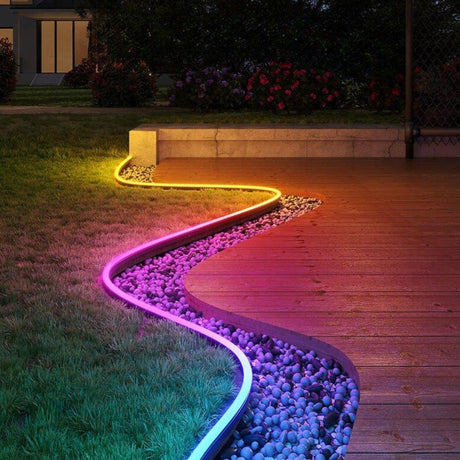
Outdoor RGB Flexible Lights for Patio & Driveway 48V IP68 30m
From £37.95Unit price /Unavailable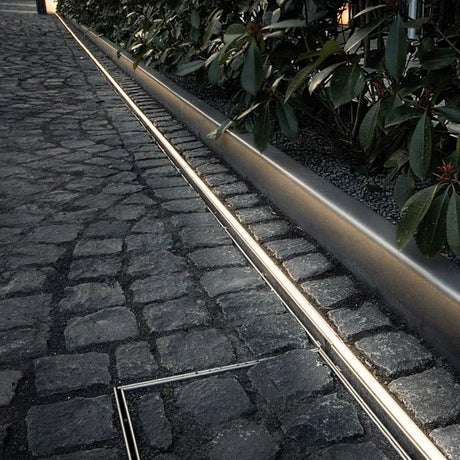



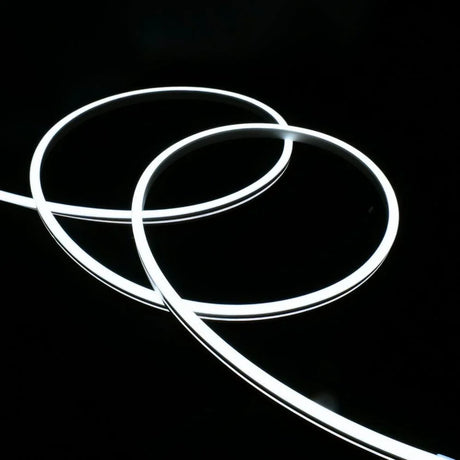
MaxiFlex LED Neon Flex For Decking & Driveway 6x12mm IP67 20M
From £19.85Unit price /Unavailable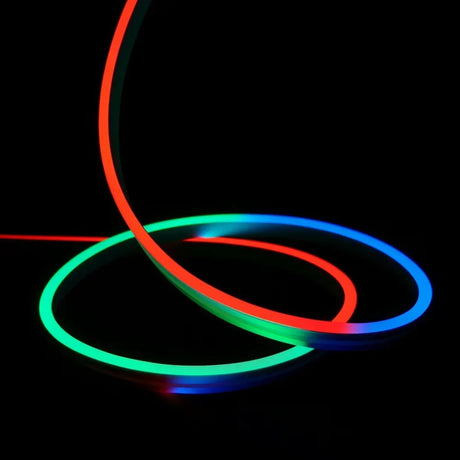
Ultra Long RGB Neon Flex 48V 10x20mm IP68 Waterproof 30 Metre
From £38.72Unit price /Unavailable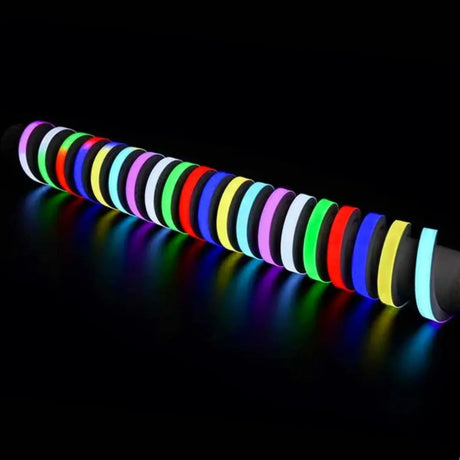
Ultra Long 18x16mm RGB Neon Flex 48V IP68 Top Bend Waterproof 30 Metre
From £44.50Unit price /Unavailable
Digital Pixel RGB Neon Flex Addressable 24V 10x20mm IP68 Waterproof WS2811
From £39.95Unit price /Unavailable
Natural White Neon Flex 4000K 48V 10x20mm IP67 Waterproof 50m
From £21.85Unit price /Unavailable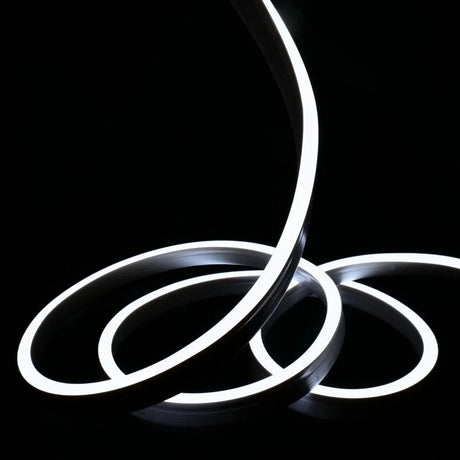
Ultra Long Cool White LED Neon Flex 48V 10x20mm IP68 Waterproof 50m
From £24.52Unit price /Unavailable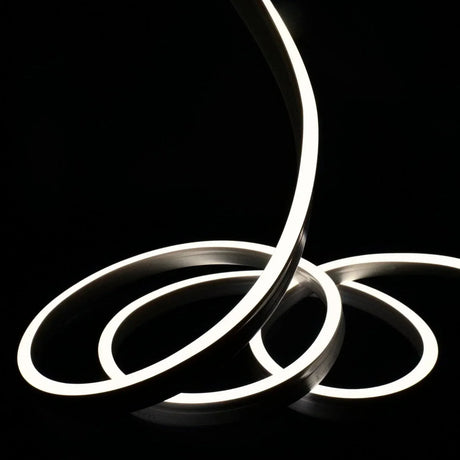
Ultra Long Natural White Neon Flex 48V 10x20mm IP68 Waterproof 50m
From £24.52Unit price /Unavailable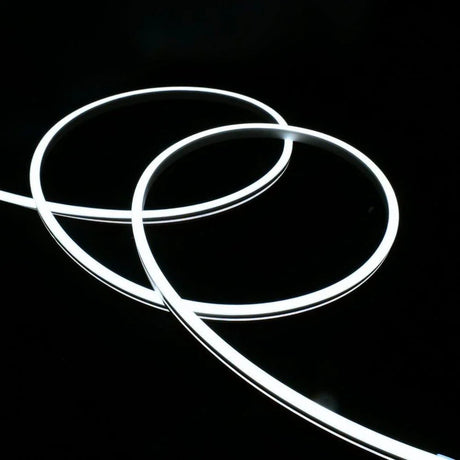
Cool White Neon Flex 6000K 24V 6x12mm IP67 Waterproof Free Cut
From £19.85Unit price /Unavailable
Natural White Neon Flex 4000K 24V 6x12mm IP67 Waterproof Free Cut
From £19.85Unit price /Unavailable
Warm White Neon Flex 2700K 24V 6x12mm IP67 Waterproof Free Cut
From £19.85Unit price /Unavailable
Warm White Neon Flex 3000K 24V 6x12mm IP67 Waterproof Free Cut
From £19.85Unit price /Unavailable
Warm White Neon Flex 2800K 24V 10x20mm IP68 Waterproof 20m
From £24.52Unit price /Unavailable
Cool White Neon Flex 6000K 24V 10x20mm IP67 Waterproof 20m
From £21.85Unit price /Unavailable
Natural White Neon Flex 4000K 24V 10x20mm IP67 Waterproof 12.5cm Cut
From £21.85Unit price /Unavailable
Warm White Neon Flex 2800K 24V 10x20mm IP67 Waterproof 20m
From £21.85Unit price /Unavailable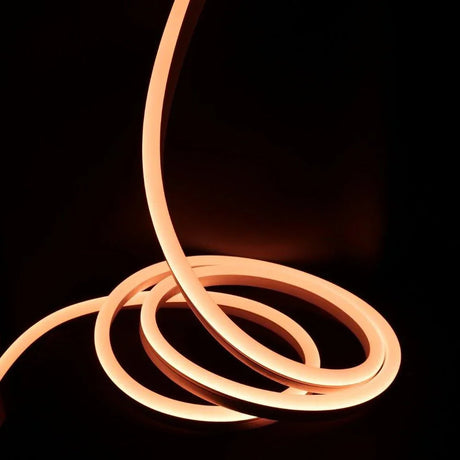
Ultra Long RGB Neon Flex 15x25mm 48V IP68 Waterproof 30 Metre
From £39.85Unit price /Unavailable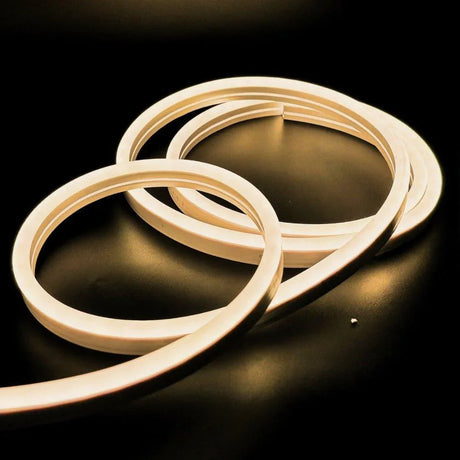
Warm White Neon Flex 14x25mm 220V 240V 120LEDs/m IP65 Waterproof with UK Plug
From £17.85Unit price /Unavailable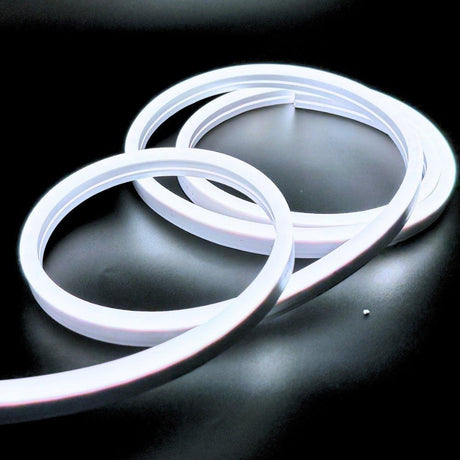
Cool White Neon Flex 14x25mm 220V 240V 120LEDs/m IP65 Waterproof with UK Plug
From £17.85Unit price /Unavailable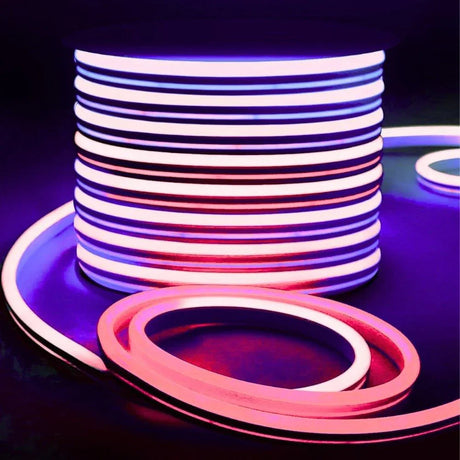
RGB LED Neon Flex 220V 240V 10x18mm IP65 Dimmable with Remote Kit
From £19.85Unit price /Unavailable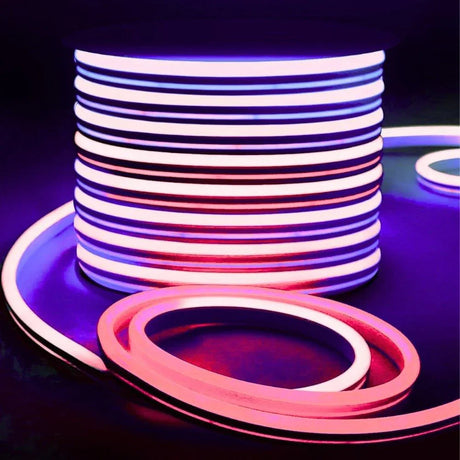
RGB LED Neon Flex 220V 240V 10x18mm IP65 Bluetooth App Control with Remote
From £35.85Unit price /Unavailable
Cool White Neon Flex 6000K 48V 10x20mm IP67 Waterproof 50m
From £21.85Unit price /Unavailable
Extra Long Blue Neon Flex 48V 10x20mm IP68 Waterproof 30m
From £24.52Unit price /Unavailable
Extra Long 18x16mm Warm White 48V IP68 Top Bend Waterproof 30 Metre
From £25.81Unit price /Unavailable
RGBW (3000K) LED Neon Flex 13x13mm IP67 Waterproof 48V 20 Metre
From £21.95Unit price /Unavailable
Warm White Neon Flex 2800K 48V 10x20mm IP67 Waterproof 50m
From £21.85Unit price /Unavailable-
Extra Long RGB Neon Flex 48V 10x20mm IP67 Waterproof 30 Metre
From £31.75Unit price /Unavailable
FAQs
What run lengths do 24V versus 48V neon flex support?
24V neon flex typically supports continuous runs of 5–15 metres per feed, depending on wattage and cable size. 48V neon flex is designed for much longer runs, commonly 30–50 metres, with significantly reduced voltage drop.
Compare IP65, IP67, and IP68 for outdoor neon flex
IP65 protects against rain and water jets, IP67 allows temporary immersion, and IP68 is suitable for continuous submersion under defined conditions. Higher IP ratings are preferred for exposed, ground-level, or water-adjacent installations.
How do you prevent voltage drop over ultra-long neon runs?
Voltage drop can be minimised by using higher-voltage systems such as 48V or 230V, correct cable sizing, and appropriate driver placement. Centre-feeding or dual-feeding may also be used on very long runs.
Best power supplies for 30 m and 50 m neon flex runs
Power supplies should be matched to the neon flex voltage and total wattage, with at least 20–30% headroom. For 30–50 m runs, high-quality constant-voltage drivers designed for long runs are essential.
Cutting intervals and soldering points for 48V neon flex
48V neon flex can only be cut at clearly marked intervals, which are typically longer than those on low-voltage products. Termination must follow manufacturer instructions to maintain electrical safety and IP protection.
What is considered an “extra long” run for LED Neon Flex, and how do 24V, 48V, and 230V systems compare?
An extra long run is generally anything over 15–20 metres from a single feed. 24V systems are limited in length, 48V supports 30–50 metres, and 230V allows the longest runs but requires mains-voltage safety measures.
How does 48V Single Colour or RGB Neon Flex achieve 30–50 m runs with minimal voltage drop?
48V systems reduce current for the same power level, which significantly lowers voltage drop along the cable and LED circuit. This allows longer continuous runs with more uniform brightness.
When should specifiers choose extra long neon flex instead of standard neon flex with multiple feeds?
Extra long neon flex is ideal when a seamless, uninterrupted line of light is required or where access for multiple power feeds is limited. It also reduces installation complexity on large perimeters.
What driver and cable sizing rules apply for extra long neon flex runs?
Drivers must be rated for the full load plus safety margin, and cable sizes should be selected to limit voltage drop over distance. Outdoor installations should always use appropriately rated, low-resistance cabling.
When is it better to feed extra long neon flex from both ends or the centre?
Dual-end or centre feeding is recommended when approaching maximum run lengths or higher wattages to ensure uniform brightness. This approach further reduces voltage drop across the run.
How should junction boxes, terminations, and surge protection be handled for 30–50 m outdoor runs in the UK?
All connections should be housed in IP-rated junction boxes, with proper strain relief and sealing. Surge protection and RCDs are recommended, especially for exposed or commercial installations.
How can extra long neon flex be used for continuous building outlines and retail park perimeters?
Extra long neon flex enables clean, unbroken outlines across large façades and structures without visible joins. This creates a strong architectural impact and consistent night-time visibility.
What are effective ways to use extra long neon flex for driveways, garden borders, and paths?
It can be installed in channels or edge details to form a continuous guiding line of light. This improves safety and wayfinding without the glare of individual fixtures.
Is extra long IP68 neon flex suitable for pool edges and waterfronts?
Yes, provided the product is specifically rated for permanent submersion and installed according to manufacturer depth and sealing guidelines. Power supplies and connections must remain outside wet zones.
How does thermal management and ambient temperature affect 30–50 m runs?
Higher ambient temperatures and poor heat dissipation can reduce LED lifespan over long runs. Proper mounting, ventilation, and avoiding overdriving are important for longevity.
What common issues occur on extra long neon flex runs and how can they be prevented?
Common problems include dim ends, uneven colour, and driver overload. These can be avoided with correct voltage selection, accurate load calculations, and appropriate feeding strategies.
How do warranties and expected lifetimes differ between standard and extra long neon flex?
Extra long neon flex products often carry longer warranties due to reduced electrical stress and lower current operation. Expected lifetimes are typically comparable or better when installed correctly.
What should buyers check when selecting extra long neon flex?
Buyers should review voltage, maximum continuous run length, lumen output per metre, cut intervals, IP rating, thermal limits, and warranty terms. Compatibility with drivers and accessories is also critical.
How do UK suppliers position 30–50 m extra long neon flex ranges for installers?
UK suppliers typically market these ranges toward trade installers and commercial projects where long, seamless runs are required. Emphasis is placed on reliability, reduced installation time, and compliance with UK standards.